Removing Xanthelasma
Xanthelasma is a medical condition characterized by the development of harmless, yellowish bumps on or near your eyelids. These are known as xanthomas, which are essentially cholesterol deposits beneath the skin’s surface. They may present with a variety of textures, including soft, chalky, or a semi-solid consistency. While xanthelasma itself does not typically cause discomfort, its presence can be a cosmetic concern for many individuals.
– Appearance: Xanthelasmas appear as yellow plaques on the upper or lower eyelids, particularly near the inner canthus (the corner closest to the nose).
– Composition: They are composed of lipids, which primarily include cholesterol.
– Non-threatening: Despite their ominous look, xanthelasmas are benign and do not pose a threat to vision or health.
Identifying the cause of xanthelasma is important. In some cases, these deposits can indicate an underlying condition that may require medical attention.
– Hyperlipidemia: High levels of lipids in the bloodstream can lead to the development of xanthelasma, highlighting the importance of lipid profile analysis in diagnosing.
– Genetic Factors: There may be a hereditary component, as xanthelasmas tend to be more common in individuals with a family history of this condition.
– Other Health Conditions: Xanthelasma can be associated with liver disease, diabetes, and other health issues.
Why People Seek Xanthelasma Removal
Despite being benign, xanthelasmas are often considered unsightly and can lead to self-consciousness and emotional distress. As a result, many affected individuals seek removal for aesthetic reasons.
– Cosmetic Reasons: The primary motivation for xanthelasma removal is usually improving appearance, as these lesions are highly visible and can be difficult to conceal with makeup.
– Repeated Occurrence: There is also a concern for recurrence. Even after successful removal, xanthelasmas may reappear, necessitating multiple treatments.
– Psychological Impact: Given their prominent placement on the face, xanthelasmas can affect social interactions and quality of life, prompting individuals to pursue treatment options.
Treatment for xanthelasma includes several options, ranging from minimally invasive procedures to more extensive surgical interventions. The optimal approach depends on the size, number, and location of the lesions, as well as the patient’s overall health and treatment preferences.
– Surgical Excision: This is a precise method of removal, especially for larger xanthelasmas.
– Laser Therapy: Utilizes specific wavelengths of light to remove the lesions with minimal scarring.
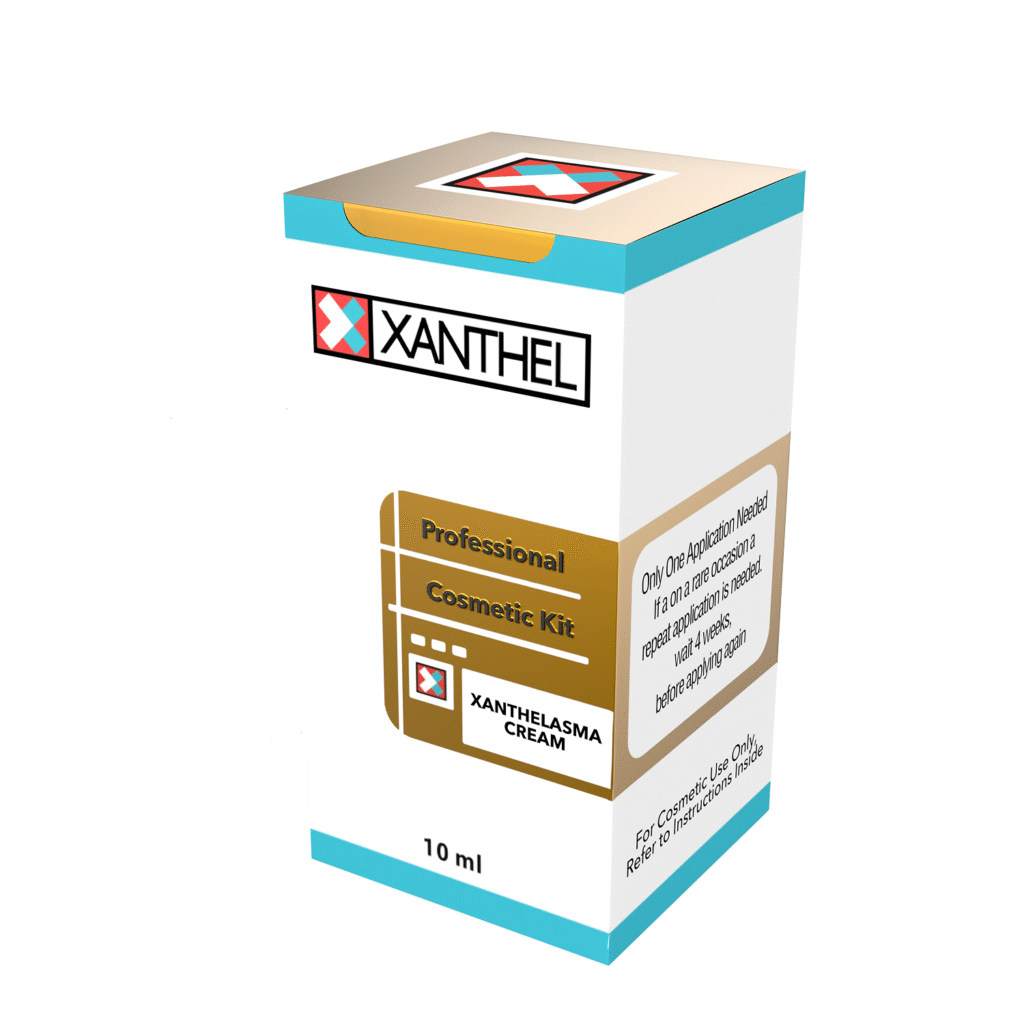
– Xanthel ®: Removal cream, used at home to treat and remove xanthelasma.

– Cryotherapy: Involves the application of extreme cold to destroy xanthomatous cells.
While these treatments are generally effective, they may require multiple sessions. Additionally, careful consideration should be taken regarding recovery time, potential scarring, and the possibility of recurrence when electing a treatment method. It’s recommended to consult with a dermatologist or an ophthalmologist specializing in eyelid surgery to assess the best treatment strategy tailored to your individual needs.

Surgical Excision
Overview of Surgical Excision for Xanthelasma
- Definition:
Surgical excision involves the removal of xanthelasmas through a careful surgical procedure.
- Procedure:
Your doctor will numb the area around your eyelids with local anesthesia. Using precise instruments, the xanthelasma is carefully removed.
- Duration:
This is generally a quick outpatient procedure, and you can go home the same day.
- Effectiveness:
Surgical excision is typically a very effective method for the removal of xanthelasmas, with a low chance of recurrence if underlying lipid levels are managed.
- Candidates:
Ideal candidates are those with larger or more stubborn xanthelasmas that have not responded to other treatments.
Post-Operative Care and Considerations
- Immediate Aftercare:
You may experience slight swelling or discomfort following the procedure. It is essential to follow your surgeon’s aftercare instructions to ensure proper healing.
- Activity Restrictions:
Avoid strenuous activities and keep your head elevated to minimize swelling. Protect the area from sunlight.
- Monitoring:
Keep an eye on the surgical site for signs of infection or unusual reactions and report these to your healthcare provider.
- Follow-Up Appointments:
Attend scheduled follow-up appointments so your doctor can monitor your recovery and the success of the procedure.
- Lifestyle Adjustments:
Depending on the underlying cause of your xanthelasmas, lifestyle changes such as diet modification and regular exercise might be recommended to prevent recurrence.
Remember, while surgical excision is an effective treatment for xanthelasma, it is crucial to address any underlying health concerns, such as high cholesterol, to prevent new deposits from forming. Always consult with a dermatologist or an oculoplastic surgeon who specializes in eyelid procedures to discuss the best treatment option for your specific condition.

Liquid Nitrogen Cryotherapy
The Cryotherapy Technique Explained
- What It Involves: Liquid nitrogen cryotherapy is a method that entails applying extreme cold to the xanthelasmas to freeze and destroy the affected cells.
- Process of Treatment: Your healthcare provider will apply liquid nitrogen using a cotton swab or spray directly onto the xanthelasma. The freezing action causes the xanthelasma to form a crust that will fall off within a few days to a week.
- Treatment Duration: The procedure itself is relatively quick, often taking only a few minutes, and is performed as an outpatient service.
- Sessions Required: Depending on the size and number of your xanthelasmas, multiple sessions will be required to achieve complete removal.
- Comfort: A local anesthetic may be used to minimize discomfort during the procedure.
Potential Risks and Efficacy of Cryotherapy
- Side Effects: Following cryotherapy, you may experience redness, blistering, or scarring in the treated area. The formation of white marks (hypopigmentation) is also a possible side effect due to the destruction of melanocytes.
- Recurrence Rate: While liquid nitrogen cryotherapy can be effective, xanthelasmas may recur, particularly if you have underlying lipid metabolism disorders that are not addressed.
- Success Rates: The success rate of cryotherapy can vary, but when performed correctly, it is a commonly successful method of xanthelasma removal, although there are many reports of the xanthelasma continuing to return.
- Risk of Infection: As with any procedure that disrupts the skin’s surface, there is a slight risk of infection. Proper wound care as instructed by your healthcare provider will reduce this risk.
- Post-Treatment Care: It is crucial to follow the aftercare instructions provided by your healthcare provider, which typically include keeping the area clean and protected from sunlight.
Working closely with your healthcare provider to maintain low cholesterol levels can reduce the chance of xanthelasma recurrence after cryotherapy. Your provider may recommend dietary changes or medications as part of your ongoing care plan to manage cholesterol levels and reduce the risk of future xanthelasmas.

Laser Surgery Options
Understanding Laser Surgery for Xanthelasma
- Introduction:
Laser surgery is a modern treatment option for xanthelasma. This non-invasive technique uses precise laser energy to target and remove the cholesterol deposits on your eyelids.
- Benefits:
With this method, you can expect minimal scarring and a faster recovery time compared to traditional surgical procedures.
- Procedure Specifics:
As with surgical excision, your doctor will apply local anesthesia to the area. The laser then directs high-energy light to disintegrate the lipid deposits.
- Session Duration:
Each session is relatively quick, often lasting no more than 30 minutes, although multiple sessions will be necessary.
- Suitability:
You might be an ideal candidate for laser surgery if you have small to medium-sized xanthelasmas, particularly if you are looking for a less invasive option with a potentially quicker recovery.
Types of Laser Surgery for Xanthelasma
- CO2 Laser:
CO2 lasers are commonly used for xanthelasma removal. They work by vaporizing the targeted tissue with precision, minimizing damage to surrounding areas.
- Erbium YAG Laser:
Similar to CO2, the Erbium YAG laser is another option that offers precise ablation with less thermal damage, which can result in a quicker healing process.
- Pulsed Dye Laser:
This laser type is less commonly used for xanthelasma but can be effective, especially for lesions with a significant vascular component.
- Choice of Laser:
Your healthcare provider will recommend the most appropriate type of laser based on the characteristics of your xanthelasma and your skin type.
Recovery from Laser Treatments
- Immediate Aftercare:
It is normal to experience redness and slight swelling post-treatment, which typically subsides within a few days.
- Healing Timeline:
The recovery period can last anywhere from one to two weeks, during which time scabbing over the treated areas may occur.
- Post-Treatment Instructions:
You will be instructed to keep the area clean and to apply any prescribed topical treatments to aid in the healing process.
- Protecting the Skin:
It is crucial to protect the treated area from sun exposure by wearing sunglasses and applying a high-SPF sunscreen to prevent pigmentation changes.
- Lifestyle Modifications:
As with surgical excision, managing your cholesterol levels through diet and exercise is key to reducing the risk of recurrence after laser treatment.
It’s important to note that while laser surgery is a popular choice for xanthelasma removal, it may not be suitable for everyone. Always have a thorough consultation with a qualified doctor who can evaluate your individual case and recommend the most effective treatment plan, tailored to your needs. Remember, treating xanthelasma is not only about cosmetic improvement but also about addressing potential underlying health issues.

Radiofrequency Ablation Method
Understanding Radiofrequency Ablation
- Definition:
Radiofrequency ablation is a minimally invasive procedure that uses radio waves to generate heat and dissolve xanthelasmas.
- How It Works:
Your physician will apply a thin needle or probe to transmit radiofrequency energy directly to the cholesterol deposits, causing them to heat and break down.
- Advantages:
This technique offers precision and can be adjusted according to the thickness and size of your xanthelasma, resulting in less damage to surrounding tissues.
- Anesthesia:
Similar to other procedures, radiofrequency ablation is performed under local anesthesia to ensure comfort and minimize pain during the process.
- Treatment Time:
The procedure is generally quick, with each session lasting up to 30 minutes, depending on the extent of the xanthelasma.
- Suture Requirement:
Depending on the size of the area treated, you may require stitches, which your doctor will discuss with you during your treatment planning.
The Healing Process and Expectations
- Post-Procedure Care:
You will receive careful instructions on how to maintain the hygiene of the treated area and may be prescribed a topical antibiotic to prevent infection.
- Recovery Period:
The recovery period typically spans from one to two weeks. It is normal to experience some swelling and tenderness initially.
- Visible Changes:
Over the first few days, you might notice a change in the texture and color of the treated skin as it begins to heal.
- Follow-up Appointments:
Scheduled follow-ups will be necessary to monitor your healing progress and determine if additional treatments are needed.
- Protective Measures:
To ensure proper healing, it is important to avoid direct sunlight on the area and use sunscreen to prevent hyperpigmentation.
- Lifestyle Considerations:
To lower the risk of xanthelasma recurrence, you should collaborate with your healthcare provider to manage your cholesterol levels through diet, exercise, and possibly medication.
Remember, working in tandem with your physician not only helps remove xanthelasmas effectively but may also be an essential step in monitoring and improving your overall health. Each individual’s case may vary, and multiple sessions could be required to achieve complete removal. Radiofrequency ablation is considered a safe and effective method for those seeking an alternative to more traditional surgeries and is particularly useful for patients with small to medium-sized xanthelasma plaques. The key is to set realistic expectations and follow your doctor’s advice for post-treatment care and lifestyle adjustments to maintain the results and your health in the long run.
Xanthel ® Treatment
Xanthel ® for Xanthelasma Removal
- Understanding Xanthel ®: Removing xanthelasma with Xanthel ® involves applying a formulated solution to the skin, which shrinks the xanthelasma and removes it.
- Easy To Use: Xanthel ® can be used at home by the client and only needs one application to remove the xanthelasma.
- Treatment: Xanthel ® comes with an easy to follow guide on how to treat the xanthelasma, which is safe and effective.
Post-Treatment Skincare and Results
- Immediate Care: Following a treatment with Xanthel ®, the treated area may be sensitive. Redness and peeling are rare and if this does happen, the redness will disappear within a day.
- Healing Duration: The complete healing process can vary but generally takes one to two weeks. The treated area should be kept clean and an anti-bacterial cream applied to speed up the healing process.
- Sun Protection: It is critical to shield the healing skin from the sun using broad-spectrum sunscreen to avoid pigmentary changes and promote uniform healing.
- Expected Outcomes: You may in rare cases require more than one session to achieve the desired result, especially for larger or deeper xanthelasmas. Enoughy is supplied to be able to implement a second treatment if needed.
Remember, successful management of xanthelasma often involves addressing the underlying causes such as dyslipidemia. Therefore, along with Xanthel ®, it’s essential to follow a healthy lifestyle and monitor your cholesterol levels to decrease the likelihood of future occurrences.

Extreme Heat Surgery
How Extreme Heat is Used to Remove Xanthelasma
- Choosing Extreme Heat Treatment:
If you’re considering removal of xanthelasma, extreme heat surgery, also known as electrosurgery, is one of the options that your healthcare provider might suggest. This method uses heat generated by electric currents to carefully burn away the cholesterol deposits.
- Treatment Procedure:
During the procedure, a local anesthetic will be applied to minimize any discomfort. A specialized device is then used to deliver the controlled heat to the affected area, effectively targeting and removing the xanthelasma.
- Precision and Control:
Your specialist will meticulously direct the heat to ensure precision in removing the xanthelasma without damaging the surrounding tissue. The goal is to achieve the best cosmetic outcome while also ensuring effective removal.
- Duration of Treatment:
The procedure is typically quick, and the duration largely depends on the size and number of xanthelasmas being treated. It’s possible that you might need more than one session to completely remove the growths.
- Effects on Cholesterol:
While this method effectively removes the visible xanthelasma, it does not address high cholesterol levels which are often associated with these deposits. Therefore, it’s important to also manage your cholesterol medically.
Managing Side Effects and Recovery
- Post-Procedure Care:
After undergoing extreme heat surgery, there will be a wound that requires proper care. You’ll receive detailed instructions on how to care for the site to promote healing and minimize the risk of infection or scarring.
- Pain Management:
You may experience some discomfort or pain after the procedure, which can typically be managed with over-the-counter pain relievers as recommended by your doctor.
- Observation of Healing:
It’s important to monitor the healing process and report any signs of infection or unusual changes to your healthcare provider immediately. Healing time may vary, but it generally spans a few weeks.
- Resuming Activities:
You’ll be advised on when you can safely return to your normal activities. It is crucial to avoid any strenuous actions that may impact the treated area until you are fully healed.
- Sun Protection:
Protecting the treated areas from sun exposure is critical in preventing pigmentation changes. Your doctor will recommend using a high SPF sunscreen on the healing skin.
- Long-Term Monitoring:
To ensure that the xanthelasma does not return, maintain routine follow-ups with your doctor and continue to manage any underlying health issues like high cholesterol.
As you undergo treatment for xanthelasma, remember that addressing lifestyle factors, such as diet and exercise, plays a significant role in preventing reoccurrence. It’s paramount to work in partnership with your doctor, who will guide you through treatment and provide advice on comprehensive management strategies, including the necessary lifestyle and dietary changes to lower cholesterol levels and reduce the chance of xanthelasma returning.

Alternative and Experimental Treatments
Electrodesiccation
- Procedure Overview: Electrodesiccation is a procedure that involves dehydrating tissue with a high-frequency electric current with the aim of removing benign growths like xanthelasma.
- Effectiveness: Studies show that electrodesiccation can effectively treat xanthelasma, particularly for patients who have not responded well to other forms of treatment.
- Procedure Duration: The treatment is relatively quick and can often be completed in a single session, depending on the size and number of xanthelasma lesions.
- Aftercare: You may experience some crusting or mild discomfort following the procedure, but these are temporary and usually resolve within a short period.
- Risks and Considerations: As with any procedure, especially one involving the delicate eye region, it’s critical to have Electrodesiccation performed by an experienced professional to minimize potential complications.
Garlic Therapy and Its Application
- Natural Approach: Garlic therapy uses garlic’s natural enzymes, which are thought to help slow the spread of cholesterol deposits in xanthelasma.
- Method of Use: The process typically involves applying a garlic extract or crushed garlic to the area, with careful protection to prevent eye contact and skin irritation.
- Timeframe for Results: Results can vary, and while some patients see improvements within a few weeks, garlic therapy often requires consistent application over months.
- Scientific Evidence: Although anecdotal evidence from individuals exists, there is a lack of robust clinical studies to conclusively prove the efficacy of garlic therapy.
- Health Precautions: It is important to avoid overusing garlic on the skin, and always perform a patch test to check for allergies or sensitivities before starting full treatment.
As you explore these alternative and experimental treatments, it’s imperative to consult with your dermatologist or healthcare provider. They will guide you on the safety and suitability of these methods for your specific situation. In addition to the treatment for xanthelasma, they may also recommend lifestyle changes, such as diet and exercise, to manage cholesterol levels and prevent new deposits from forming. Remember, while alternative therapies may seem appealing, it’s essential to weigh their potential benefits against the possible risks and to have realistic expectations regarding outcomes. Your health and safety should always be the priority when considering treatment options.

In Reflection
Summarizing Xanthelasma Removal Methods
As you confront your xanthelasma, remember, there are various treatment options available to you. Surgical excision, cryotherapy, laser ablation, chemical peels, and electrodesiccation have all been utilized with differing levels of success. Each method comes with its own set of potential risks and recovery times, so it’s important to discuss with your healthcare provider which treatment aligns best with your personal health profile and the severity of your xanthelasma.
Long-Term Management and Prevention Tips
Beyond immediate treatment, you should consider long-term strategies to prevent the recurrence of xanthelasma. Monitoring and managing your cholesterol levels through diet and medication when necessary is paramount. Integrate heart-healthy habits into your lifestyle, such as regular exercise, maintaining a balanced diet rich in vegetables, fruits, whole grains, and lean proteins while avoiding saturated and trans fats.
Incorporating preventive measures and working closely with your healthcare provider to monitor your lipid levels and overall health can be just as important as the treatment of existing xanthelasma. By making informed decisions and staying attentive to your body’s signals, you can effectively manage and even prevent the progression of xanthelasma. Remember, your health journey is an ongoing process that benefits greatly from proactive care and mindfulness.