
What Type Of Doctor Removes Xanthelasma
Why the Eyelid Location Decides Who Should Remove It, and What the Clinic Route Involves
Because xanthelasma sits on the delicate eyelid, the right doctor to remove it is an eyelid specialist. This page explains why location matters, who that specialist is, and what the procedure involves.
By Xanthelasma.com
What Type of Doctor Removes Xanthelasma?
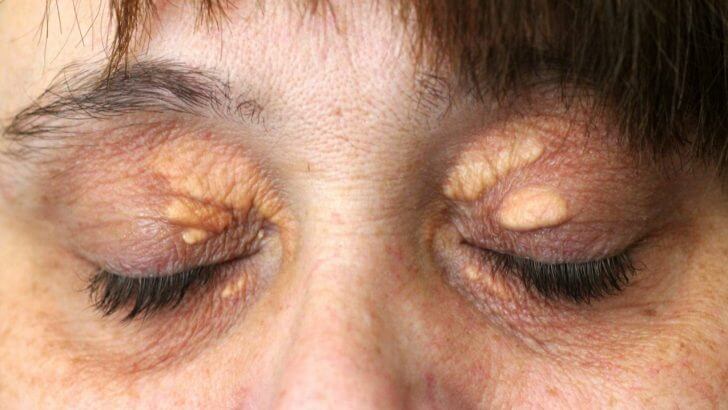
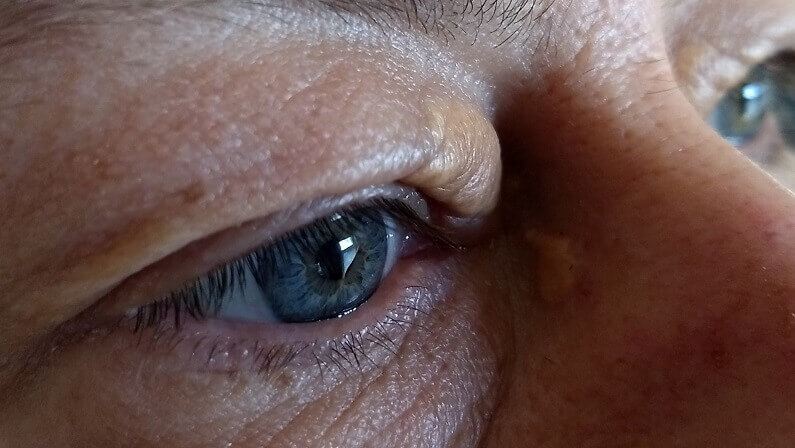
If you want xanthelasma removed at a clinic, the type of doctor matters more here than for most skin lumps, and the reason is the location. Xanthelasma sits on the eyelid, one of the most delicate and functionally important areas of the face, millimetres from the eye itself. That makes who does the removal a real consideration: you want someone who works in this specific area every day.
The specialist most suited to it is an oculoplastic surgeon (also called an oculofacial plastic surgeon), an eye surgeon with extra training in surgery around the eyelids and eye area. A dermatologist experienced with the periorbital area is also an option, particularly for non-surgical methods. This page explains why the eyelid location drives that choice and what the clinic route involves. It is also worth knowing that for the cosmetic removal itself you may not need a doctor at all, Xanthel ® is a cosmetic skincare cream formulated to remove xanthelasma plaques at home, which we come to below. Our overview of what xanthelasma is gives the background.
Why the Eyelid Location Matters So Much
It is worth understanding why xanthelasma’s position changes the calculation, because it is the whole reason specialist choice matters. The eyelid skin is the thinnest on the body, the eyelid has to move freely to blink and close properly, and the eye itself is right there. Removing a plaque here is not like removing one from an arm: too aggressive an approach risks scarring that puckers the lid, changes to how the eyelid sits or closes, pigment changes, or, at worst, harm near the eye.
This is exactly why an eyelid specialist is the safest choice for surgical removal. Their day-to-day work is operating in this precise area, so they are equipped to remove the deposit while protecting eyelid function and aiming for a clean cosmetic result. The plaque can also extend into the muscle layer of the lid, which a specialist is best placed to handle. The same delicacy is why improvised home approaches near the eye, garlic, vinegar, or general acids, are a bad idea: the eyelid is no place for guesswork. Our page on whether you can squeeze out xanthelasma covers why not to try.

The Oculoplastic Surgeon and the Alternatives
So who exactly are the options for the clinic route? The oculoplastic surgeon is the primary one: an ophthalmologist who has done further training specifically in plastic and reconstructive surgery of the eyelids and eye area. For surgical excision of xanthelasma, especially larger or deeper plaques, this combination of eye-area knowledge and surgical skill is ideal, and you generally do not need a referral to consult one privately.
A dermatologist is the other main option, particularly one experienced with the area around the eyes. Dermatologists commonly handle the non-surgical removal methods, laser, cryotherapy (freezing), and electrosurgery, and may be the route for smaller, superficial plaques. In practice your starting point can also be your GP or primary care doctor, who can confirm the diagnosis, run a cholesterol check, and point you towards the right specialist. The choice between them comes down to the size and depth of your plaques and which removal method suits. Our pages on what doctor removes xanthelasma and what kind of doctor treats xanthelasma compare the specialist types in more detail.
What the Clinic Removal Route Involves
If you go the specialist route, it helps to know what to expect, because that shapes the decision too. It usually begins with a consultation, where the specialist examines the plaques (size, depth, position, and any effect on the lid) and proposes a method. The removal itself, whether surgical excision, laser, freezing, or electrosurgery, is typically done under local anaesthetic in a single relatively quick session, though laser and freezing can need repeats.
Afterwards there is healing to allow for: possible swelling, bruising, crusting, or stitches depending on the method, with aftercare instructions to keep the area clean and protected. Two honest points to weigh: clinic removal tends to be costly and is rarely covered by insurance since it is cosmetic, and no method, specialist-performed or not, prevents recurrence if an underlying cause like raised cholesterol is unmanaged. So even the best surgeon’s result lasts longer when paired with a cholesterol check. Our page on the cost of removal covers the budget side.
You May Not Need a Doctor for the Removal Itself
Here is the point worth pausing on: while a doctor is the right choice for surgical removal and for checking the underlying cause, you do not necessarily need one to remove the marks. Because eyelid xanthelasma is harmless, removing it is a cosmetic choice, not a medical procedure, and the marks can be dealt with at home with a purpose-made cream rather than a clinic appointment.
Xanthel ® is a cosmetic skincare cream formulated to remove xanthelasma plaques at home, designed for the delicate eyelid area, as a less invasive and more affordable alternative to specialist clinic procedures, with none of the surgeon’s fee, anaesthetic, or downtime. For typical eyelid xanthelasma it is a reasonable first option, with the specialist route held in reserve for large or stubborn plaques. The one thing still worth a doctor’s visit is the simple lipid check, separate from the cosmetic removal. You can look at the at-home removal option or compare the full range of removal options.
What Type of Doctor Removes Xanthelasma: The Bottom Line
Because xanthelasma sits on the delicate, functional eyelid, the safest doctor for surgical removal is an eyelid specialist, an oculoplastic (oculofacial plastic) surgeon, with an experienced dermatologist as the other main option, especially for non-surgical methods. Your GP can confirm the diagnosis, run a lipid check, and point you to the right specialist. The clinic route involves a consultation, a procedure under local anaesthetic, and a healing period, and tends to be costly and uninsured.
But for the cosmetic removal itself you may not need a doctor at all, since the harmless marks can be removed at home. It is worth looking at the at-home removal option, comparing it with the clinic options, and having a simple cholesterol check with your doctor alongside.
Common Questions About Which Doctor Removes Xanthelasma
What type of doctor removes xanthelasma?
For surgical removal, the most suitable is an oculoplastic surgeon (oculofacial plastic surgeon), an eye surgeon with extra training in surgery around the eyelids. A dermatologist experienced with the eye area is the other main option, particularly for non-surgical methods like laser or freezing. Your GP can confirm the diagnosis and point you to the right specialist.
Why does it matter which doctor removes xanthelasma?
Because xanthelasma sits on the eyelid, the thinnest skin on the body, right beside the eye, and the lid has to move freely. A specialist who works in this area daily can remove the plaque while protecting eyelid function and aiming for a clean cosmetic result, reducing the risk of scarring, lid changes, or harm near the eye that a less experienced hand might cause.
What is an oculoplastic surgeon?
An oculoplastic surgeon (also called oculofacial plastic surgeon) is an ophthalmologist, an eye doctor, who has completed further training in plastic and reconstructive surgery of the eyelids, eye socket, and surrounding face. This combination of eye-area knowledge and surgical skill makes them well suited to removing xanthelasma from the delicate eyelid.
Should I see a dermatologist or an oculoplastic surgeon?
Both can remove xanthelasma. An oculoplastic surgeon is ideal for surgical excision, particularly of larger or deeper plaques, given their eyelid expertise. A dermatologist experienced with the eye area is well suited to non-surgical methods like laser, freezing, and electrosurgery, often for smaller plaques. Your GP can advise which fits your case, or you can consult either directly.
Do I need a doctor to remove xanthelasma?
Not necessarily. Because the marks are harmless, removing them is a cosmetic choice rather than a medical procedure, and they can be removed at home with a purpose-made cream instead of a clinic. A doctor is the right choice for surgical removal and is worth seeing once for a lipid check, but the cosmetic removal itself can be done at home.
How much does it cost to have a doctor remove xanthelasma?
Clinic removal by a specialist tends to be costly, varying by method, provider, and the number of plaques, and it is rarely covered by insurance since removal is cosmetic. Surgery is usually the most expensive, with laser and freezing often charged per session. An at-home cream is considerably more affordable, which is why many people consider it first.
Will a doctor’s removal stop xanthelasma coming back?
Not on its own. No removal method, however skilled the doctor, changes the underlying tendency to form the deposits, so recurrence is possible if a cause like raised cholesterol is left unmanaged. The most lasting result comes from combining removal with managing any underlying factor through your doctor, which is a separate matter from the removal itself.
Can I avoid the clinic and treat xanthelasma at home?
Yes, for the cosmetic removal. A purpose-made cream lets you remove the marks at home, avoiding the specialist’s fee, anaesthetic, and downtime. Xanthel is a cosmetic skincare cream formulated to remove xanthelasma plaques at home. It is still worth one doctor’s visit for a lipid check, since the marks can occasionally flag raised cholesterol.
Xanthel ® is a cosmetic skincare cream made to remove xanthelasma plaques at home, not a medical treatment for any underlying condition. Whether you choose a specialist or an at-home route for the marks, it is worth seeing your doctor for a simple check, since xanthelasma can sometimes sit alongside lipid, thyroid, or cardiovascular factors worth identifying for your wider health.