A Straight-Talking Guide To Removing Yellow Eyelid Plaques With A Cream At Home: How It Works, Who It Suits, How To Use It Safely And What To Expect While You Heal
A xanthelasma removal cream is applied only to the yellow plaque on your eyelid, where it breaks down the plaque’s surface so fresh skin can heal over it, usually within about one to two weeks. It suits small to medium plaques and lets you avoid clinic visits, cutting and repeat appointments. It doesn’t change the cause, so a cholesterol check with your doctor still comes first.
A xanthelasma removal cream is a cosmetic cream made for removing the yellow eyelid plaques at home. You apply it only to the plaque, following the guide, and the area crusts and heals over about one to two weeks. It suits small to medium plaques; large, deep or lash-line plaques suit a clinic. Results vary, and plaques can return.
Key Takeaways
- A removal cream works on the plaque itself, not just its color.
- It suits small to medium plaques away from the lash line.
- Healing usually takes about one to two weeks.
- It doesn’t lower cholesterol, so see your doctor about the cause.
- Garlic and vinegar have caused burns; a purpose-made cream is a different thing.
- Plaques can return after any removal method, generally in under half of people.
On This Page 16 sections
What Is A Xanthelasma Removal Cream?
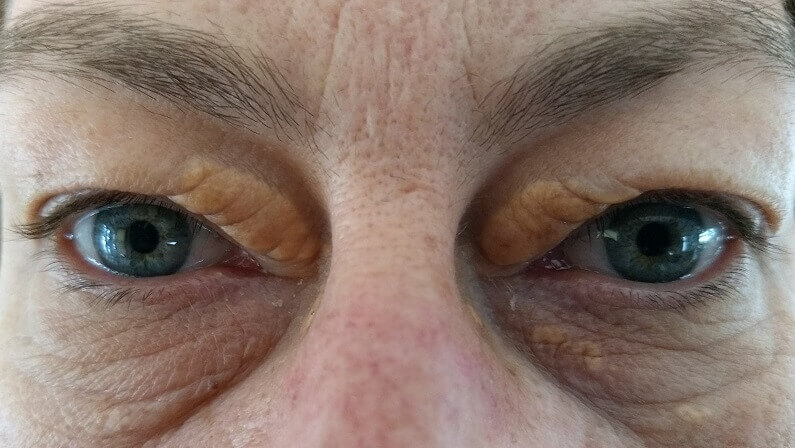
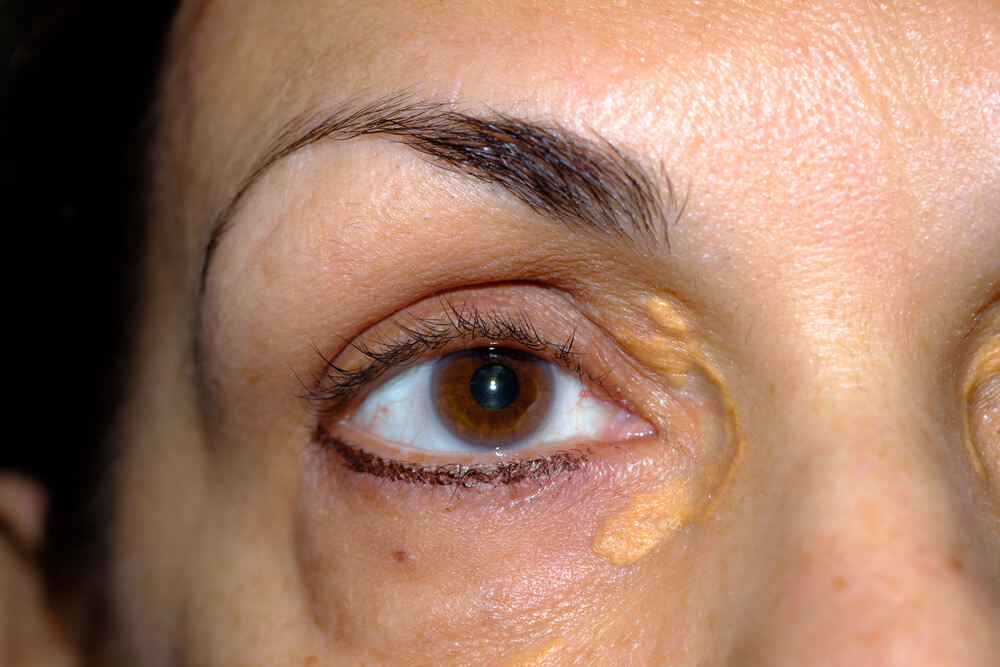
It’s a cosmetic cream made specifically to remove xanthelasma, the soft yellow plaques on the eyelids, at home. Unlike concealer, which only hides the color, a removal cream works on the plaque itself.
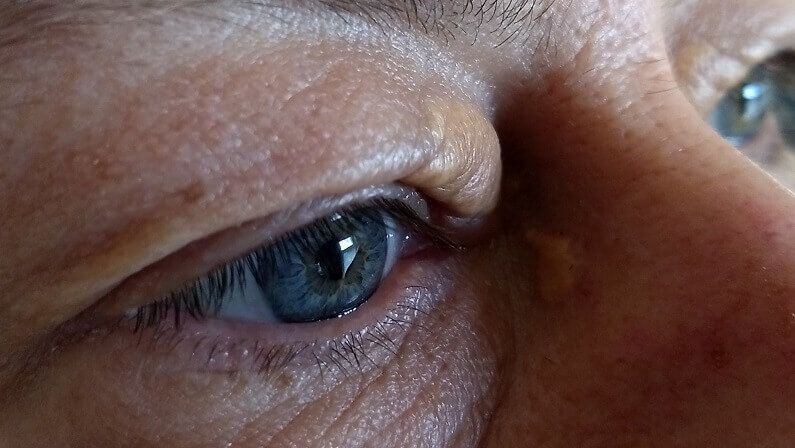
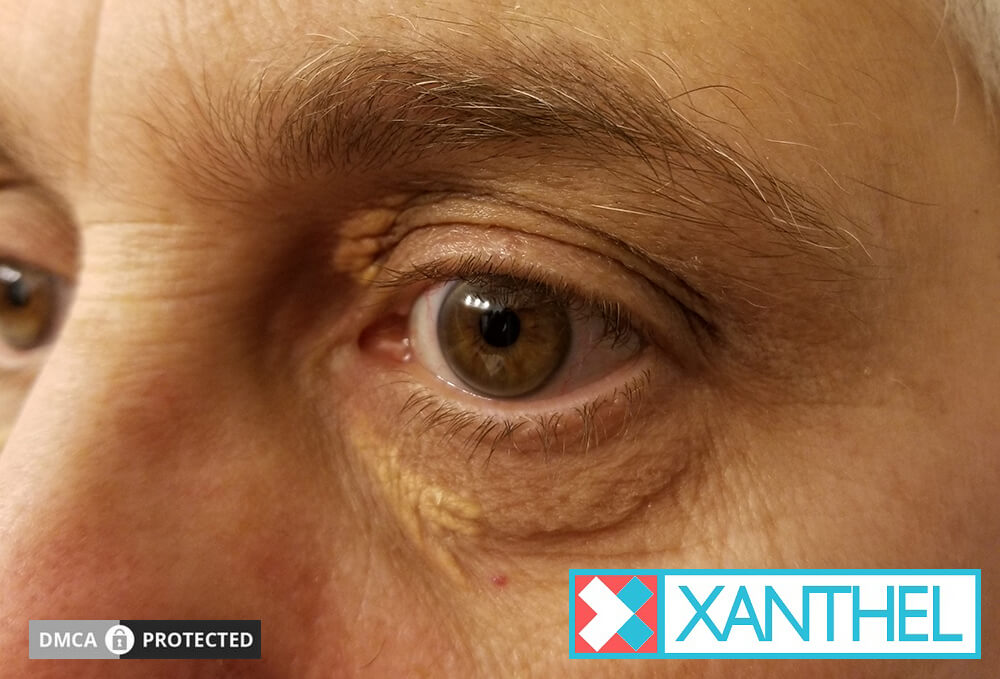
Xanthelasma palpebrarum is a buildup of fat-filled foam cells in the deeper layer of the eyelid skin, usually near the inner corners of the eyes.[1] Because the plaque sits within the skin, creams that simply moisturize, brighten or “dissolve fat” don’t reach it. A removal cream is different: it’s applied to the plaque so the affected surface breaks down and new skin heals in its place.
Xanthel® is the xanthelasma removal cream we make. This page explains how removal creams work, who they suit and how to use one well. Our pillar guide to xanthelasma cream covers creams in general, and our pages on cream for xanthelasma and Xanthel cream answer related questions.

How Does A Xanthelasma Removal Cream Work?
On the same basic idea as a clinic peel: it breaks down the surface of the plaque in a controlled way, the area crusts, and fresh skin heals over it during the following weeks.
At a clinic, trichloroacetic acid (TCA) peels are painted onto the plaque by a clinician for the same reason, and lasers remove the plaque layer by layer. A 2023 review of 49 studies found these approaches can clear plaques well, with changes in skin color the most common complication.[2] A removal cream brings a controlled version of that idea home, with a guide that tells you exactly how much to apply and for how long.
That’s also why the cream goes only on the plaque: it’s designed to work on that skin, not on the healthy skin around it or the eye itself. Our guides to how to remove xanthelasma at home and xanthelasma home removal explain the process in plain steps.

Who Is A Xanthelasma Removal Cream Best For?
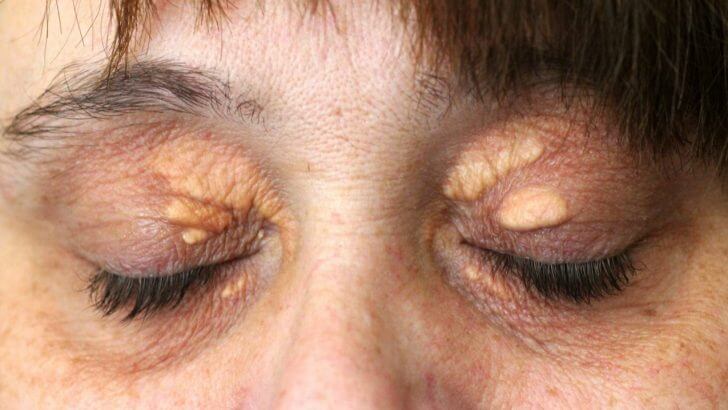
People with confirmed xanthelasma whose plaques are small to medium, flat or slightly raised, and clear of the lash line, who’d rather not go through clinic sessions.
- Confirmed xanthelasma. Not milia, syringomas or another eyelid bump.
- Small to medium plaques. Thinner plaques are generally simpler to clear.[2]
- Away from the lash line. So the cream stays well clear of the eye.
- A steady hand and patience. Careful application and one to two weeks of healing.
- Health check done. Your doctor has looked at your cholesterol.
Our page on eyelid xanthelasma explains where plaques usually sit, and our guide to xanthelasma under the eyes covers lower-lid plaques.
When Is A Clinic Better Than A Removal Cream?
For large, thick or deep plaques, plaques right at the lash line or lid margin, and anything that isn’t clearly xanthelasma.
The 2023 review favored surgery for larger, deeper plaques,[2] and deeper plaques are also more likely to return after removal.[1] A specialist can judge depth and plan for it. Spots that are white, skin-colored, hard, fast-growing or bleeding need a doctor’s diagnosis first; our guide to what can look like xanthelasma describes the lookalikes. Our page on how xanthelasma is removed covers the clinic options.

What Should You Do Before Using A Removal Cream?
Have a doctor confirm it’s xanthelasma and check your cholesterol, because about half of people with xanthelasma have a lipid disorder.
StatPearls reports that about 50% of people with xanthelasma have a primary or secondary lipid disorder and recommends a fasting lipid profile, liver panel, thyroid tests and fasting glucose.[1] A review of 15 studies linked xanthelasma with higher LDL and thicker carotid artery walls.[3] Even with normal total cholesterol, HDL is often low: in one study, 54.8% had normal cholesterol but a median HDL of 36.2 mg/dL against 50.5 mg/dL in people without xanthelasma.[4]
Our pages on the causes of xanthelasma and whether xanthelasma indicates raised cholesterol explain the tests.

How Do You Use A Xanthelasma Removal Cream?
Clean, dry, makeup-free skin; a small amount applied only to the plaque; the exact timing in the guide; then a gentle rinse and careful aftercare while the skin heals.
- Read the whole guide first. Before you open anything.
- Prepare the skin. Remove makeup, wash gently and pat dry.
- Protect around the plaque. Keep surrounding skin and the eye itself clear.
- Apply a small amount to the plaque only. One application per plaque, with enough for a second on larger ones.
- Time it exactly. Leave it on for the time the guide gives, then rinse gently.
- Let it heal. A light crust forms; leave it alone and keep the area clean.
- Protect the new skin. Shield it from strong sun while it settles.

If your doctor has checked the cause and your plaques suit home removal, this is the removal cream we make for xanthelasma.
What Happens While Your Skin Heals?
The plaque turns into a light crust, which loosens and comes away over about one to two weeks, leaving new skin that may look pink at first and settles over the following weeks.
- The first few days. The area looks red and a light crust starts to form.
- Over about one to two weeks. The crust loosens and comes away by itself; leave it alone and keep it clean.
- The following weeks. New skin starts pink and gradually blends in.
Lighter or darker patches can happen with any removal method and are the most common complication across removal methods;[2] sun protection helps new skin settle evenly. Everyone heals at their own pace, and results vary.

How Does A Removal Cream Compare With Clinic Removal?
A cream is the at-home, single-purchase route for small to medium plaques. Clinic methods, especially CO2 laser, have strong study results and suit larger or deeper plaques, but usually mean several paid sessions.
In the 2023 review, CO2 laser gave over 75% improvement in over 90% of patients and Er:YAG over 80%, with surgery favored for larger, deeper plaques.[2] Surgery can cause the lid to turn outward or pull back, and freezing and chemical methods can scar or discolor the skin.[1] A home cream avoids appointments and cutting but asks you to apply it carefully yourself. Our guide to xanthelasma removal weighs every route.
Xanthelasma Removal Options Compared
| Option | Where | Best For | Main Risks |
|---|---|---|---|
| Xanthel® removal cream | At home | Small to medium plaques | Irritation if misapplied; color change; plaques can return |
| CO2 or Er:YAG laser | Clinic | Most plaques | Skin color changes |
| TCA acid peel | Clinic | Flat, thin plaques | Scarring, color changes |
| Freezing | Clinic | Small, thin plaques | Scarring, color changes |
| Surgery | Clinic | Large, deep plaques | Lid turning out or pulling back, scarring |
| Garlic, vinegar and similar | Home | Not recommended | Chemical burns, scarring |
Is A Removal Cream The Same As A Home Remedy?
No. Home remedies like garlic, vinegar and castor oil aren’t made for the eyelid and have no good evidence for xanthelasma; garlic and vinegar have caused real chemical burns.
- Garlic. A review of 39 garlic burn cases found mostly second-degree burns, some scarring, especially on the face.[5]
- Apple cider vinegar. Doctors reported a chemical burn from vinegar used to remove skin spots at home, with risk of scarring and darkening.[6]
- Castor oil. We’ve found no published evidence that it clears xanthelasma.
- Squeezing or needles. Nothing comes out; our page on whether you can squeeze out xanthelasma explains why.
A removal cream made for xanthelasma comes with a measured amount, a set time and a guide written for the eyelid, which is the whole point.

How Do You Use A Removal Cream Safely Near The Eye?
Apply it only to the plaque, never to the lash line or inside the lid, keep your eye closed and still while it’s on, and rinse straight away with clean water if any reaches the eye.
- Good light and a mirror. So you can see the plaque’s edges clearly.
- A fine applicator. Tiny amounts, placed precisely.
- Eye closed and relaxed. Avoid blinking hard or rubbing.
- Protect surrounding skin. As the guide shows.
- If it reaches the eye. Rinse with plenty of clean water and seek medical advice.
- Stop if something seems wrong. Strong pain, swelling or blistering beyond the plaque needs a doctor.

What Can’t A Xanthelasma Removal Cream Do?
It can’t lower your cholesterol, change an inherited tendency or stop new plaques forming. Like every removal method, it clears the plaque you can see, and plaques can come back.
StatPearls reports recurrence after removal generally under 50%, around 60% after repeat procedures, and more often with deeper plaques.[1] Keeping your blood fats in check with your doctor and dealing with small new spots early give you the best chance of staying clear. Our pages on whether xanthelasma can come back and how to prevent xanthelasma cover this.

How Much Does A Xanthelasma Removal Cream Cost?
Xanthel® costs $169 with free international delivery, with one application per plaque and enough for a second on larger ones. Clinic removal usually means paying per session, often for several.
Clinic prices vary widely by country, clinic and method, and insurers often class removal as cosmetic, so ask for a full quote including every session and follow-up. Our guide to how much xanthelasma removal costs explains what to ask.

When Should You See A Doctor Instead?
Before you start, for the diagnosis and cholesterol check, and straight away if a spot grows fast, bleeds or hurts, if plaques appear at a young age, or if healing doesn’t go as expected.
- Before first use. To confirm it’s xanthelasma and check your lipids.[1]
- Young onset. An inherited lipid disorder is more likely.[1]
- Unusual spots. Fast growth, bleeding, pain or hardness.
- Healing problems. Spreading redness, pus, worsening pain or vision changes.
What’s The Bottom Line On Xanthelasma Removal Cream?
A xanthelasma removal cream lets you remove small to medium eyelid plaques at home: you apply it only to the plaque, and the skin heals over about one to two weeks. It isn’t for large, deep or lash-line plaques, and it doesn’t change the cause, so pair it with a doctor’s cholesterol check. Results vary, and plaques can return.
Xanthel® is a cosmetic cream made for xanthelasma removal at home, sold by Xanthelasma.com. You’ll find it in the box above and at the foot of this page, or read more about Xanthel® xanthelasma removal cream. For the clinic-versus-cream view, see our cream and clinic comparison, or browse all our xanthelasma guides.
Common Questions About Xanthelasma Removal Cream
What Is A Xanthelasma Removal Cream?
It’s a cosmetic cream made to remove the yellow eyelid plaques at home by breaking down the plaque’s surface so new skin can heal over it.
How Do You Use A Xanthelasma Removal Cream?
Apply a small amount only to the plaque on clean, dry skin, leave it for the time the guide gives, rinse gently, then let the area heal.
How Long Does Healing Take?
About one to two weeks for the crust to form and come away, with new skin settling over the following weeks.
How Many Applications Are Needed?
One application per plaque, with enough for a second on larger ones.
Is A Removal Cream Better Than Laser Or Surgery?
It suits small to medium plaques at home; laser has strong study results and surgery suits larger, deeper plaques, so it depends on your plaques.
Is A Removal Cream Safe Near The Eye?
It’s designed for eyelid plaques, but it must be used exactly as directed, only on the plaque and well away from the eye; rinse with clean water if any reaches the eye.
Does A Removal Cream Stop Xanthelasma Coming Back?
No. Like every method, it clears the plaque you see but doesn’t change the cause, so plaques can return.
Do I Still Need To See A Doctor?
Yes. About half of people with xanthelasma have a lipid disorder, so a diagnosis and cholesterol check come first.
Sources
- Blair K. Xanthelasma Palpebrarum. StatPearls, National Library of Medicine (NCBI Bookshelf), updated 2026.
- Malekzadeh H, Ormseth B, Janis JE. A Practical Review of the Management of Xanthelasma Palpebrarum. Plastic and Reconstructive Surgery Global Open, 2023;11(5):e4982.
- Chang HC, Sung CW, Lin MH. Serum lipids and risk of atherosclerosis in xanthelasma palpebrarum: a systematic review and meta-analysis. Journal of the American Academy of Dermatology, 2020;82(3):596-605.
- Kavoussi H, Ebrahimi A, Rezaei M, Ramezani M, Najafi B, Kavoussi R. Serum lipid profile and clinical characteristics of patients with xanthelasma palpebrarum. Anais Brasileiros de Dermatologia, 2016;91(4):468-471.
- Hitl M, Kladar N, Gavaric N, Srdenovic Conic B, Bozin B. Garlic burn injuries: a systematic review of reported cases. American Journal of Emergency Medicine, 2021.
- Feldstein S, Afshar M, Krakowski AC. Chemical Burn from Vinegar Following an Internet-based Protocol for Self-removal of Nevi. Journal of Clinical and Aesthetic Dermatology, 2015;8(6).