What Xanthel® Is, How It’s Used, What To Expect As Your Eyelid Heals, And An Honest Look At Who It Suits And Who It Doesn’t
Xanthel® cream is a cosmetic removal cream made specifically for xanthelasma on the eyelids, used at home. You apply it only to the plaque, the skin heals over about one to two weeks, and the visible deposit is removed as it does. It costs $169 with free international delivery, and it works on the plaques, not on cholesterol.
Xanthel® cream is a cosmetic cream made for xanthelasma removal at home. It’s applied only to the plaque, one application per plaque with enough for a second on larger ones, followed by about one to two weeks of healing. It suits small to medium, typical eyelid plaques. It doesn’t lower cholesterol, so see your doctor about the cause. Results vary.
Key Takeaways
- Xanthel® is a cosmetic cream made only for xanthelasma on the eyelids.
- It’s applied to the plaque at home, with a step-by-step guide.
- Healing takes about one to two weeks after application.
- It suits small to medium, typical plaques; large or unusual ones need a specialist.
- It doesn’t lower cholesterol or stop new plaques forming.
- $169 with free international delivery; results vary.
On This Page 17 sections
What Is Xanthel Cream?
Xanthel® is a cosmetic cream made for xanthelasma removal at home, sold by Xanthelasma.com. It’s applied only to the yellow plaques on the eyelids and removes the visible deposit as the skin heals.
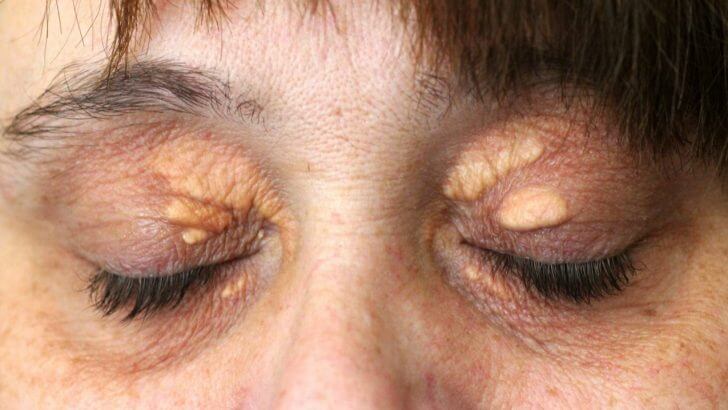
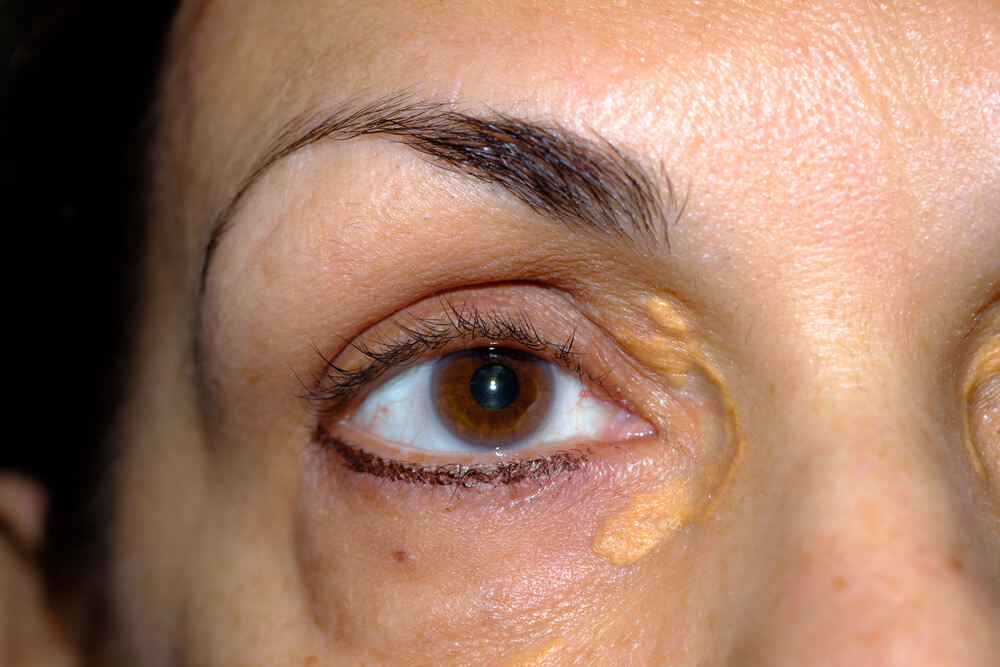
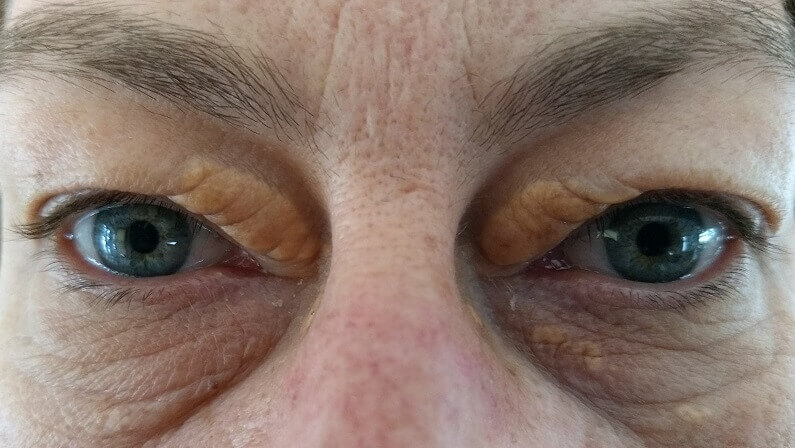
Xanthelasma is a soft, yellow buildup of fat-filled foam cells in the eyelid skin, usually near the inner corners and often on both sides.[1] The plaques rarely fade by themselves; they tend to stay the same or slowly grow.[1] Clinic procedures such as laser and surgery are one way to remove them. Xanthel® is the other: a cream designed for this one job, used in your own home.
For a wider look at creams for these cholesterol deposits on the eyelids, see our guides to xanthelasma cream, cream for xanthelasma and our explainer on clinic acids vs cosmetic creams.

What Does Xanthel Cream Do, And What Doesn’t It Do?
It acts on the plaque it’s applied to, removing the visible deposit as the skin heals. It doesn’t lower cholesterol, address any condition behind xanthelasma, or stop new plaques forming.
Xanthel® Does
- Work on the plaque you apply it to
- Let you deal with plaques at home
- Come with a step-by-step guide and support
- Cost one flat price
Xanthel® Doesn’t
- Lower your cholesterol
- Replace a doctor’s check
- Stop new plaques forming
- Work on xanthomas elsewhere on the body
About half of people with xanthelasma have a lipid disorder,[1] and xanthelasma has been linked with a higher risk of heart attack and heart disease even when cholesterol is normal.[4] That’s why we always say: use Xanthel® for the plaques, and see your doctor for the cause. Our guide on what xanthelasma indicates explains the tests.

What Should You Do Before Using Xanthel Cream?
See your doctor to confirm the spots are xanthelasma and to check your cholesterol, liver, thyroid and blood sugar. Then read the Xanthel® guide in full before you start.
- Confirm the diagnosis. Doctors usually recognize xanthelasma on sight; a biopsy is only needed if it’s uncertain.[1]
- Get your blood tests. A fasting lipid profile, liver panel, thyroid tests and fasting glucose.[1]
- Rule out lookalikes. Anything painful, bleeding, crusting, firm or changing fast needs checking.
- Photograph your eyelids. In daylight, so you can see the change afterward.
- Plan the healing time. Allow about one to two weeks when you’d be happy for the area to be healing.
- Read the guide. All the way through, before opening anything.
Our guide on why you’ve got xanthelasma helps you prepare questions for your doctor.
How Is Xanthel Cream Used?
You apply a small amount only to the plaque, following the step-by-step guide that comes with it, then leave the area to heal. It’s one application per plaque, with enough for a second on larger ones.
The guide covers exactly how much to use and how. The principles are simple: start with clean, dry skin and no makeup; apply only to the yellow plaque, never to surrounding skin or the lash line; keep it out of the eye; and then leave the area alone. Don’t combine it with other acids, creams or home remedies on the same spot.
If you’re unsure about any step, contact us before you start through our contact page. Our guides on how to remove xanthelasma at home and xanthelasma home removal walk through the wider process.

What Happens As Your Eyelid Heals After Xanthel Cream?
Allow about one to two weeks of healing. As with any method that removes a plaque, the skin usually goes through redness and crusting before new skin forms, and the new skin can look pink at first. The guide explains what to expect at each stage.
- First days. Redness and some tightness where the cream was applied.
- Crusting. A crust or scab forms over the plaque area.
- Shedding. The crust comes away naturally; don’t pick it.
- New skin. Pink at first, then gradually blending in.
Keep the area clean and dry, avoid makeup on healing skin, and protect it from the sun, because changes in skin color are the most common complication of xanthelasma removal methods generally.[3] If you notice spreading redness, swelling, discharge or pain, contact a doctor.

What Results Can You Expect From Xanthel Cream?
For typical small to medium plaques, the aim is for the visible deposit to be gone once the skin has healed. Results vary with the size, depth and number of plaques, and larger ones may need the second application.
Deeper plaques, those more than about 1 mm into the skin, are harder to remove by any method and come back more often.[1] That’s one reason we suggest acting while plaques are small. Be wary of any product, cream or clinic that promises a result for everyone; xanthelasma varies from person to person.

Who Is Xanthel Cream Right For?

People with small to medium, soft, typical eyelid plaques, confirmed by a doctor, who’d rather avoid laser or surgery near the eye and want one flat price.
- Plaques confirmed as xanthelasma by your doctor.
- Small to medium, soft plaques on the upper or lower lids.
- You’d prefer not to have a procedure close to your eye.
- You want to avoid per-session clinic fees.
- You can set aside one to two weeks for healing.
Our guide on getting rid of xanthelasma without surgery compares Xanthel® with other non-surgical routes.

Who Shouldn’t Use Xanthel Cream?
Xanthel® isn’t for very large, thick or deep plaques, plaques right at the lash line, anything not confirmed as xanthelasma, or xanthomas elsewhere on the body. Those need a doctor or specialist.
- Large, thick or deep plaques. Laser or surgery by an eyelid specialist is usually better.[3]
- Unusual spots. Firm, orange, spreading, painful or bleeding lesions need a doctor, and sometimes a biopsy.[2]
- Body xanthomas. Lumps on tendons, palms, elbows or knees need medical care for the cause; see tendon xanthomas and eyelid xanthomas.
- Eye infection or inflamed eyelid skin. Wait until it has healed.
Our guide on what doctor removes xanthelasma explains who to see instead.

Xanthel® Cream Vs Clinic Options
| Option | Where | Sessions | Things To Know |
|---|---|---|---|
| Xanthel® cream | At home | One application per plaque, enough for a second on larger ones | $169 flat; about one to two weeks of healing; results vary |
| CO2 or erbium laser | Clinic | One or more | Strong evidence; color change most common complication |
| Surgery | Clinic or operating room | Usually one | For large, deep plaques; lid-shape risk |
| Clinic acid peel | Clinic | Often one or two | Best for small plaques; scarring and color change possible |
| Freezing | Clinic | One or more | Generally avoided on eyelids due to swelling |
How Does Xanthel Cream Compare With Clinic Removal?
Clinic laser has strong evidence and suits thicker plaques, but it means appointments, per-session fees and a procedure near the eye. Xanthel® is used at home for a flat price and suits small to medium plaques.
A 2023 review of 49 studies found CO2 laser gave more than 75% improvement in over 90% of patients, with changes in skin color the most common complication; surgery was favored for larger, deeper plaques.[3] Laser can also cause scarring and, rarely, eye injury, and freezing is generally avoided on the eyelids.[2] Clinic removal is rarely covered by insurance because it’s considered cosmetic.
Our guides on how much xanthelasma removal costs and the removal of xanthelasma compare every route.

How Much Does Xanthel Cream Cost?
$169, with free international delivery. That’s the whole price: there’s no consultation fee, anesthesia, facility charge or per-session billing, and the step-by-step guide and support are included.
Because it’s one application per plaque, with enough for a second on larger ones, most people find one purchase covers their plaques. If you have many plaques or very large ones, ask us before ordering so we can tell you honestly whether Xanthel® is the right fit.

Will Xanthelasma Come Back After Xanthel Cream?
It can. No cream, laser or surgery can promise xanthelasma won’t return. After removal, it comes back in under half of people overall, more often with deeper plaques and after repeat procedures.
Recurrence is generally under 50%, rising to around 60% after repeat procedures.[1] The best way to lower the odds is to keep managing the cause with your doctor: blood fats, thyroid and blood sugar, along with a healthy diet, activity and not smoking. Our guides on whether xanthelasma can come back and how you stop xanthelasma go into this.

Is Xanthel Cream Safe To Use Near The Eye?
It’s made for eyelid xanthelasma and is designed to be used carefully on the plaque only, following the guide. Keep it out of the eye, don’t use it on infected or inflamed skin, and stop and seek advice if anything feels wrong.
General eye cosmetic safety applies too: wash your hands first, use only clean tools, never share eye products, and don’t use anything on the eye area during an eye infection or when the skin around the eye is inflamed.[5] If any product gets into your eye, rinse with plenty of clean water and get medical help. Never use garlic, vinegar or other home remedies alongside it; garlic alone has caused second-degree burns and facial scarring.[6]

What Are The Common Myths About Xanthel Cream?
The main myths are that a cream can lower cholesterol, that one product works the same for everyone, that removal means it can never come back, and that home remedies do the same job. None of these is true.
- “A cream fixes the cholesterol.” No cream reaches your blood fats; your doctor manages those.
- “Everyone gets the same result.” Plaques differ in size, depth and number, so results vary.
- “Once it’s gone, it’s gone for good.” Xanthelasma can return after any method, especially if the cause isn’t managed.[1]
- “Garlic or vinegar does the same thing.” They don’t remove xanthelasma and can burn eyelid skin.[6]
- “You don’t need a doctor if you use a cream.” You still need one check for the diagnosis and your blood tests.

How Do You Order Xanthel Cream?
Order online from Xanthelasma.com. Each order includes the cream, the step-by-step guide and support, with free international delivery.
If you’ve had your doctor’s check and your plaques are small to medium and typical, this is the cream we make for xanthelasma.

What’s The Bottom Line On Xanthel Cream?
Xanthel® cream is a cosmetic cream made for xanthelasma removal at home, for small to medium, typical eyelid plaques. It works on the plaques, not the cause, so pair it with a doctor’s check. Results vary, and larger or unusual plaques belong with a specialist.
Xanthel® is a cosmetic cream made for xanthelasma removal at home, sold by Xanthelasma.com. You’ll find it in the box above, or read more about Xanthel® xanthelasma removal cream, and browse all our xanthelasma guides.
Common Questions About Xanthel Cream
What Is Xanthel Cream?
Xanthel is a cosmetic cream made for xanthelasma removal at home, sold by Xanthelasma.com. It’s applied only to the plaques on the eyelids.
How Is Xanthel Cream Applied?
A small amount is applied only to the plaque, following the step-by-step guide. It’s one application per plaque, with enough for a second on larger ones.
How Long Does Healing Take After Xanthel Cream?
Allow about one to two weeks. The skin usually reddens and crusts before new skin forms, and the new skin can look pink at first.
Does Xanthel Cream Lower Cholesterol?
No. It works on the plaques only. Cholesterol and any condition behind xanthelasma are managed by your doctor.
Who Is Xanthel Cream Right For?
People with small to medium, typical eyelid plaques confirmed by a doctor, who’d rather avoid laser or surgery near the eye.
Can Xanthel Cream Be Used On Xanthomas Elsewhere?
No. Xanthel is made for xanthelasma on the eyelids only. Xanthomas on tendons, palms or elsewhere need medical care.
Will Xanthelasma Come Back After Using Xanthel Cream?
It can, as after any method. Managing the cause with your doctor lowers the chance of new plaques.
How Much Does Xanthel Cream Cost?
$169 with free international delivery, including the step-by-step guide and support.
Sources
- Blair K. Xanthelasma Palpebrarum. StatPearls, National Library of Medicine (NCBI Bookshelf), updated 2026.
- Patadia A, Rana HS, Stewart K, Yen MT, Lee H. Xanthelasma. EyeWiki, American Academy of Ophthalmology, reviewed September 2026.
- Malekzadeh H, Ormseth B, Janis JE. A Practical Review of the Management of Xanthelasma Palpebrarum. Plastic and Reconstructive Surgery Global Open, 2023;11(5):e4982.
- Christoffersen M, Frikke-Schmidt R, Schnohr P, Jensen GB, Nordestgaard BG, Tybjaerg-Hansen A. Xanthelasmata, arcus corneae, and ischaemic vascular disease and death in general population: prospective cohort study. BMJ, 2011.
- US Food and Drug Administration. Eye Cosmetic Safety. FDA, updated 2022.
- Hitl M, Kladar N, Gavaric N, Srdenovic Conic B, Bozin B. Garlic burn injuries: a systematic review of reported cases. American Journal of Emergency Medicine, 2021.