
Cream For Xanthelasma
Is There a Cream That Removes Xanthelasma? Yes, Here Is What to Know
Looking for a cream for xanthelasma? There is an at-home cosmetic cream made specifically for the eyelid marks. This page explains how a xanthelasma cream works, what to expect, and how it compares to clinic procedures.
By Xanthelasma.com
Is There a Cream for Xanthelasma?
If you have been searching for a cream to deal with xanthelasma, here is the straight answer: yes, there is an at-home cosmetic cream made specifically for the yellow eyelid plaques. Xanthel ® is a cosmetic skincare cream formulated to remove xanthelasma plaques at home, designed as an alternative to clinic procedures like surgery, laser, and freezing.
For a lot of people, a cream is the appealing option precisely because it avoids what puts them off the clinic routes, the cost, the recovery time, and the scarring risk of having the delicate eyelid skin cut, frozen, or lasered. It can be done at home, on your own schedule, in private. The rest of this page explains how a xanthelasma cream works, what to expect from it, and how to use one properly, so you can decide whether it is right for you. If you want to confirm the marks are xanthelasma first, our page on what xanthelasma looks like helps.

How a Xanthelasma Cream Works
A purpose-made xanthelasma cream is applied directly to the plaque, with the surrounding skin protected, and is left for the time set out in the instructions before being removed. Over the following days the treated area works through a normal healing process, settling as the skin recovers, and the appearance of the plaque is reduced. The whole approach is built around the delicate eyelid area, which is exactly why a product made for the purpose is safer than improvising with household substances.
It is worth being realistic and honest about what a cream does: it is a cosmetic treatment that targets the visible plaque on the skin. It is not a medicine and does not change your cholesterol or any underlying cause, which remains a matter for your doctor. One application is usually enough, though larger or thicker plaques can occasionally need a second. Following the instructions carefully, and the aftercare, matters for getting a clean result and protecting the surrounding skin. Our guide to the full range of removal options sets the cream alongside the clinic methods.
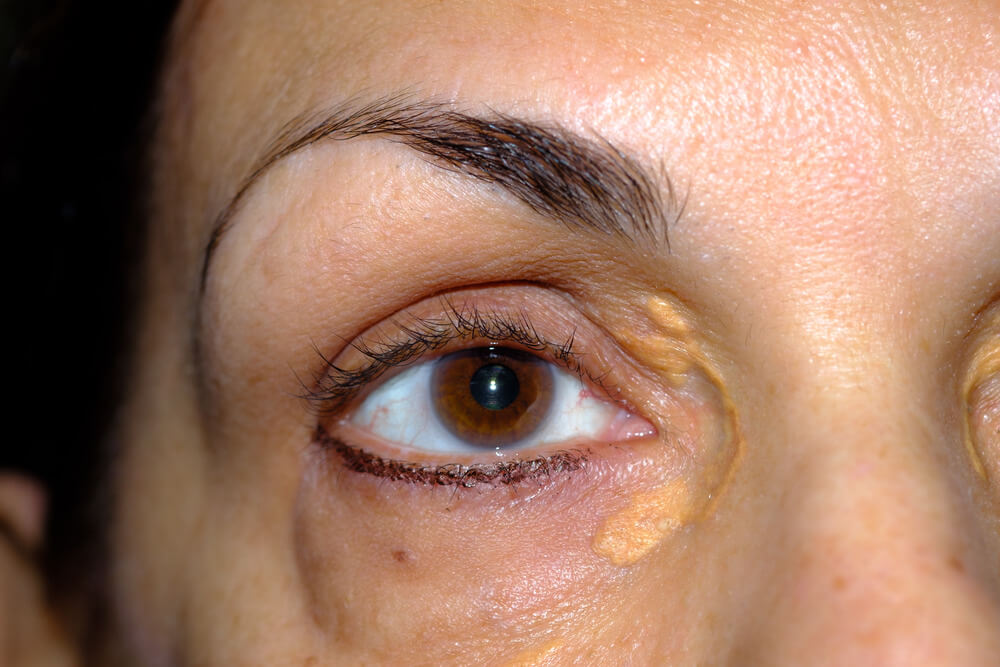
How to Use a Xanthelasma Cream Properly
Because the cream is used near the eye, careful application makes all the difference. The general approach, always following the specific instructions supplied with the product, runs like this:
First, gently clean the area to remove any makeup or oils, and pat it dry. Next, protect the surrounding skin, the instructions will explain how, so that only the plaque itself is treated. Apply the cream to the plaque, taking care not to spread it beyond the mark, and leave it for the recommended time without touching or covering it. Then remove it and rinse the area thoroughly with lukewarm water.
Afterwards, good aftercare supports the result: keep the area clean, apply any soothing or antibacterial cream the instructions suggest, and protect the healing skin from the sun, since UV exposure can affect skin colour during healing. Do not apply more than directed or more often than advised, overuse risks irritating the delicate skin rather than improving the result. Patience through the healing period is part of getting a good outcome.

Cream Versus the Clinic Options
It helps to see where a cream sits against the alternatives. The clinic procedures, surgical excision, laser, cryotherapy, electrosurgery, and radiofrequency, can all be effective, but they share some drawbacks: they are carried out at a clinic with the associated cost, they often involve recovery time, they carry a risk of scarring or pigment changes on the eyelid, and since xanthelasma removal is usually considered cosmetic, they are rarely covered by insurance. Several also need repeat sessions.
A cream sits at the least-invasive, most affordable end of that scale. It avoids the cutting, the clinic bill, and the downtime, which is why many people try it first before considering anything more involved. It will not suit absolutely every case, very large or stubborn plaques may need a clinic, but for the typical eyelid xanthelasma it is a sensible starting point. Our page on treating xanthelasma compares all the methods in more detail if you want the full picture.

A Word on Generic Creams and Home Remedies
Not everything marketed or suggested for xanthelasma is worth using, and this is worth a clear warning. Improvised home remedies, garlic, apple cider vinegar, castor oil, and the like, lack evidence for clearing xanthelasma, and several can irritate or even burn the thin eyelid skin. Applying acidic kitchen-cupboard substances millimetres from your eye is a genuine risk for no reliable benefit.

The same caution applies to vague generic “skin tag” or “mole” creams not made for this purpose or this area. The sensible approach is a product designed specifically for eyelid xanthelasma, with clear instructions for safe use near the eye, rather than a guess. That is the gap a purpose-made cream fills. Our page on how to get rid of xanthelasma at home covers the DIY-versus-purpose-made question in more depth.

Don’t Forget the Underlying Cause
A cream deals with the visible plaque, but it is worth a quick word on the cause, because it affects whether the marks come back. Xanthelasma is made of cholesterol, so a simple lipid test from your doctor is worth doing to check whether raised cholesterol, or sometimes a thyroid or diabetes issue, is contributing. Around half of people with xanthelasma have normal cholesterol, so for many this is just reassurance, but for those who do have a lipid issue, managing it protects their wider health.
Managing the cause helps prevent new marks but rarely clears existing ones, which is why the cream and the cause-management go together rather than instead of each other. Keeping cholesterol in a healthy range, through diet, activity, not smoking, and any treatment your doctor advises, is what helps your results last. Our guide to the causes of xanthelasma covers that side.
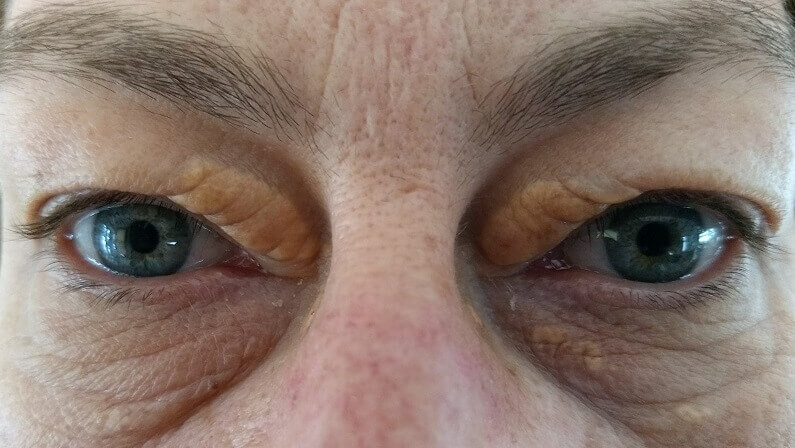
A Cream for Xanthelasma: The Bottom Line
So, is there a cream for xanthelasma? Yes, there is an at-home cosmetic cream made specifically for the eyelid plaques, and for most people it is the simplest, most affordable, and least invasive way to deal with the marks, avoiding the cost, scarring risk, and downtime of clinic procedures. Used carefully and according to its instructions, it offers a private, at-home alternative to surgery, laser, or freezing.
If that suits you, it is worth looking at the at-home removal option directly, and pairing it with a quick cholesterol check from your doctor to keep results lasting. You can also read why you might have got xanthelasma or compare all the removal options before deciding.

Common Questions About Cream for Xanthelasma
Is there really a cream that removes xanthelasma?
Yes. Xanthel ® is a cosmetic skincare cream formulated to remove xanthelasma plaques at home, made specifically for the yellow eyelid marks. It is designed as an alternative to clinic procedures like surgery, laser, and freezing, without the cost, scarring risk, or downtime, and is applied directly to the plaque following the supplied instructions.
How does a xanthelasma cream work?
It is applied to the plaque, with the surrounding skin protected, and left for the time set out in the instructions before removal. Over the following days the treated area heals and the appearance of the plaque is reduced. It is a cosmetic treatment for the visible mark and does not affect your cholesterol or any underlying cause.
How many applications does it take?
One application is usually enough for typical xanthelasma. Larger or thicker plaques can occasionally need a second, and a purpose-made product usually supplies enough for that. Following the instructions and the aftercare carefully helps you get the best result from each application.
Is a cream safe to use near the eyes?
A cream made specifically for eyelid xanthelasma is designed for use near the delicate eye area and comes with instructions for protecting the surrounding skin. That is much safer than improvising with household remedies. As with any treatment near the eyes, careful application and following the guidance closely are important.
Is a cream better than surgery or laser for xanthelasma?
It depends on the case. A cream is the least invasive and most affordable option, avoiding the cutting, cost, and downtime of clinic procedures, which is why many people try it first. Very large or stubborn plaques may still need a clinic. For typical eyelid xanthelasma, a cream is a sensible starting point.
Do generic creams or home remedies work for xanthelasma?
Improvised home remedies like garlic, vinegar, or castor oil lack evidence and can irritate or burn the delicate eyelid skin, and vague generic creams not made for this purpose are not a safe bet near the eyes. A product designed specifically for eyelid xanthelasma, with clear instructions, is the sensible and safer choice.
Will the xanthelasma come back after using a cream?
It can, particularly if an underlying cause like raised cholesterol is left unmanaged. A cream clears the visible plaque, but managing any underlying factor with your doctor is what reduces the chance of new marks forming. The two work best together.
Should I see a doctor before using a cream for xanthelasma?
It is worth one visit. A doctor can confirm the marks are xanthelasma and run a simple lipid test to check for any underlying cause. Once you know what you are dealing with, you can clear the visible marks with a cream at home and manage any underlying factor separately.

Xanthel ® is a cosmetic skincare product, not a medical treatment. Because xanthelasma can sometimes sit alongside lipid, thyroid, or cardiovascular factors, it is worth discussing with your doctor, who can give you the full picture of your health to pair with any cosmetic approach.