
How Do You Stop Xanthelasma
Stopping It Means Two Things: Removing What’s There and Preventing What’s Next
“Stopping” xanthelasma can mean two things, getting rid of the marks you have, and stopping new ones forming. This page covers both, because the lasting result comes from doing them together.
By Xanthelasma.com
What Does “Stopping” Xanthelasma Mean?
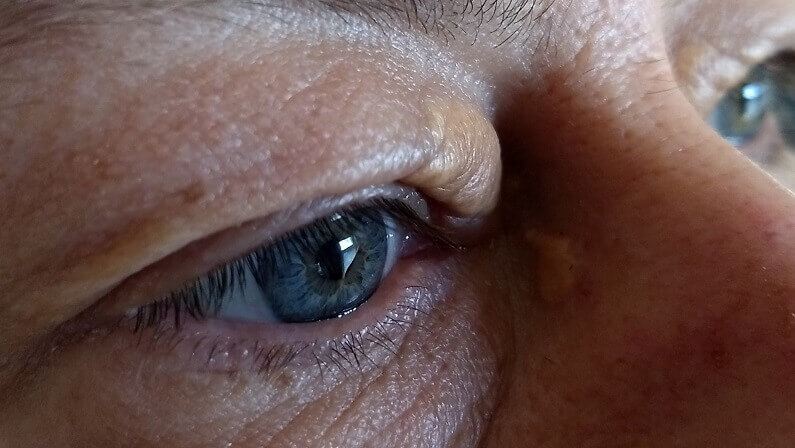
When people ask how to stop xanthelasma, they usually mean one of two things, and often both. One is stopping the marks that are already there, that is, removing the visible yellow plaques on your eyelids. The other is stopping new ones forming or old ones returning, that is, prevention. They are different goals needing different approaches, which is exactly why “stopping” xanthelasma works best as a two-track plan.
Here is the key point that ties them together: removing the marks does not stop new ones, and preventing new ones does not clear the marks you have. So doing just one leaves a gap. The lasting result comes from combining them, remove the visible plaques, and manage the underlying cause to keep new ones at bay. For the removal side, you do not need a clinic, Xanthel ® is a cosmetic skincare cream formulated to remove xanthelasma plaques at home. This page covers both tracks. Our overview of what xanthelasma is gives the background.

First, Stop What’s There: Removing the Marks
Xanthelasma will not fade on its own, so if you want to stop it being visible, removal is the route. There are several options. The clinic procedures, surgical excision, laser, cryotherapy, and electrosurgery, can be effective but tend to be expensive, may need repeat sessions, are rarely covered by insurance since removal is cosmetic, and carry a scarring or pigment-change risk on the delicate eyelid skin.
The least invasive option is an at-home cosmetic cream. Xanthel ® is a cosmetic skincare cream formulated to remove xanthelasma plaques at home, applied to the plaque following the supplied guidance, with the skin then healing over the following days. It avoids the cutting, cost, and downtime of a clinic, which is why many people start there. Importantly, do not try to stop xanthelasma by squeezing, picking, or applying harsh home remedies like garlic or vinegar, the marks are solid cholesterol, not poppable, and these attempts risk scarring and irritation near the eye. You can compare the methods in our full range of removal options, or read about the cream specifically.

Then, Stop What’s Next: Managing the Cause
Removing the marks deals with today’s problem, but to stop xanthelasma coming back you need to address why it formed, because no removal method changes that underlying tendency. This is the prevention track, and it is mostly about cholesterol, since the deposits are cholesterol-based. The starting point is a simple lipid blood test from your doctor to see whether raised cholesterol is part of your picture.
If it is, managing it is what reduces the chance of new marks: a heart-healthy diet lower in saturated and trans fats, regular activity, a healthy weight, not smoking, and any medication your doctor advises. Your doctor may also check thyroid function and blood sugar, since an underactive thyroid and diabetes can contribute. One honest caveat: around half of people with xanthelasma have normal cholesterol, and where the cause is mainly genetic, prevention has less leverage, so it lowers the risk of recurrence rather than guaranteeing none. Even so, these steps protect your heart regardless, so they are worth doing. Our page on how to prevent xanthelasma covers this track in detail.
Why You Need Both Tracks
It is worth being clear about why neither track works alone, because this is where people often go wrong. If you only remove the marks but ignore the cause, you may stop the current plaques only to see new ones appear over time, especially if raised cholesterol is left unmanaged. And if you only manage the cause but never remove the marks, the existing plaques stay put, since improving your cholesterol rarely clears deposits already formed.
Put together, though, the two tracks reinforce each other: removal clears what is visible now, and cause-management reduces what forms next, which is the closest thing to genuinely “stopping” xanthelasma. This combined approach is also why a quick visit to your doctor is worth pairing with any cosmetic removal, the doctor handles the underlying side, and you handle the visible side, including at home. Our page on whether xanthelasma comes back explains the recurrence point further.
Clearing Up a Few Myths About Stopping Xanthelasma
A few common misconceptions are worth correcting, since they lead people astray. First, xanthelasma is not always a sign of high cholesterol, around half of people who get it have normal levels, so a normal cholesterol result does not mean you imagined the marks; genetics and other factors play a part. Second, xanthelasma cannot be stopped by squeezing or popping it, it is solid cholesterol within the skin, not a fluid-filled spot, so there is nothing to express, and trying risks harm near the eye.
Third, removal does not guarantee the marks never return, which is exactly why the prevention track matters. And fourth, xanthelasma does not affect your vision or threaten your eyes, so there is no medical urgency to “stop” it, the decision to remove is entirely cosmetic and entirely yours. Getting these straight helps you approach the condition calmly and sensibly rather than chasing remedies that do not work. Our page on whether xanthelasma can be cancerous addresses another common worry.


How Do You Stop Xanthelasma: The Bottom Line
Stopping xanthelasma means two things, and doing both is what works. To stop the marks that are there, remove them, an at-home cream is the least invasive route, with clinic options like surgery, laser, and freezing also available. To stop new ones forming, manage the underlying cause, mainly cholesterol, with your doctor, though genetics means prevention lowers the risk rather than guaranteeing it. Neither track works alone, but together they give the most lasting result.
What you should not do is try to stop it by squeezing, picking, or using harsh home remedies near the eye. If you want to clear the marks, it is worth looking at the at-home removal option, and reading what causes xanthelasma to understand the prevention side.

Common Questions About Stopping Xanthelasma
How do you stop xanthelasma?
Stopping xanthelasma involves two things: removing the marks that are there, and preventing new ones forming. Removal options range from an at-home cream to clinic procedures like laser and surgery. Prevention means managing the underlying cause, mainly cholesterol, with your doctor. Doing both together gives the most lasting result, since neither works fully on its own.
Can you stop xanthelasma without surgery?
Yes. The least invasive way to remove the marks is an at-home cream. Xanthel ® is a cosmetic skincare cream formulated to remove xanthelasma plaques at home, as an alternative to surgery, laser, or freezing, without the cost, scarring risk, or downtime. Pairing it with managing any underlying cause helps stop new marks forming.
How do you stop xanthelasma from coming back?
By managing the underlying cause, since no removal method changes the tendency to form the deposits. Mainly that means keeping cholesterol in a healthy range through diet, activity, not smoking, and any treatment your doctor advises, plus managing any thyroid or diabetes issue. This lowers the chance of recurrence, though genetics means it cannot be fully guaranteed.
Can you stop xanthelasma by squeezing or popping it?
No, and you should not try. Xanthelasma is solid cholesterol within the skin, not a fluid-filled spot, so there is nothing to squeeze out. Trying to pop, squeeze, or pick at it near the eye risks infection, scarring, and injury. Removal needs a proper method, such as an at-home cream or a clinic procedure.
Will lowering my cholesterol stop my xanthelasma?
Lowering your cholesterol helps stop new marks forming and protects your heart, but it rarely clears the deposits already on your eyelids. Those generally need direct removal. So managing cholesterol is the prevention half of stopping xanthelasma, but you still need to remove existing marks separately.
Can you stop xanthelasma with diet alone?
Diet can help on the prevention side, particularly if raised cholesterol is part of your picture, by lowering the chance of new marks. But it does not clear existing deposits, and for people whose xanthelasma is mainly genetic its effect is limited. Diet is a useful part of stopping recurrence, not a way to remove the marks you have.
Is there any urgency to stop xanthelasma?
No. Xanthelasma is harmless, painless, and does not affect vision, so there is no medical urgency to remove it. The decision is entirely cosmetic. It is worth one doctor’s visit to confirm the diagnosis and check for any underlying cause, but beyond that, whether and when to stop the marks is entirely up to you.
Should I see a doctor to stop my xanthelasma?
Yes, one visit is worthwhile. A doctor can confirm the marks are xanthelasma and run a simple lipid test, plus check thyroid or blood sugar if relevant, to identify any underlying cause, which is the prevention side. You can then clear the visible marks separately, including at home, for the most complete result.
Xanthel ® is a cosmetic skincare product, not a medical treatment. Stopping xanthelasma lastingly involves managing any underlying cause, so it is worth discussing with your doctor, who can give you the full picture of your health to pair with any cosmetic approach. Never attempt to remove xanthelasma by squeezing, cutting, or applying harsh substances near the eye.