What Can Be Used To Treat Xanthelasma ?
If you’ve noticed yellowish bumps on or near your eyelid skin, you might be dealing with a condition known as xanthelasma. This benign issue is a form of xanthoma, which represents cholesterol deposits underneath the skin. You might find it concerning or aesthetically displeasing, so understanding what xanthelasma is and its implications on your health is essential.
Understanding Xanthelasma: What Is It?
– Nature of Xanthelasma: These lesions are harmless and commonly manifest as yellow plaques or bumps around the eyelids.
– Texture Variations: They can vary in texture, potentially presenting as soft, chalky, or semi-solid.
– Age of Onset: Xanthelasma generally occurs in individuals between the ages of 35 and 55.
– Incidence Rate: Though they are the most common type of xanthoma, only about 1% of the population has xanthelasmas.
– Symptoms: Symptoms include areas of yellow skin around your eyelids. Characteristics of these lesions include:
– Either flat or raised (bumpy) surface
– Softness to firmness in texture
– Possible discomfort but often painless
– Underlying Causes: Several factors could lead to the development of xanthelasma, such as:
– Diabetes mellitus which affects the body’s ability to process sugars.
– Weight gain that may be associated with increased cholesterol levels.
The Importance of Proper Treatment for Xanthelasma
When considering treatment for xanthelasma, it’s necessary to recognize that while the lesions are benign, they may suggest underlying health concerns, particularly related to cholesterol metabolism. It is crucial to consult a healthcare professional to determine the cause and optimal approach for removal or management.
– Treatment Modalities: Various methods are available for xanthelasma removal.
– Surgical procedures that precisely excise the lesions.
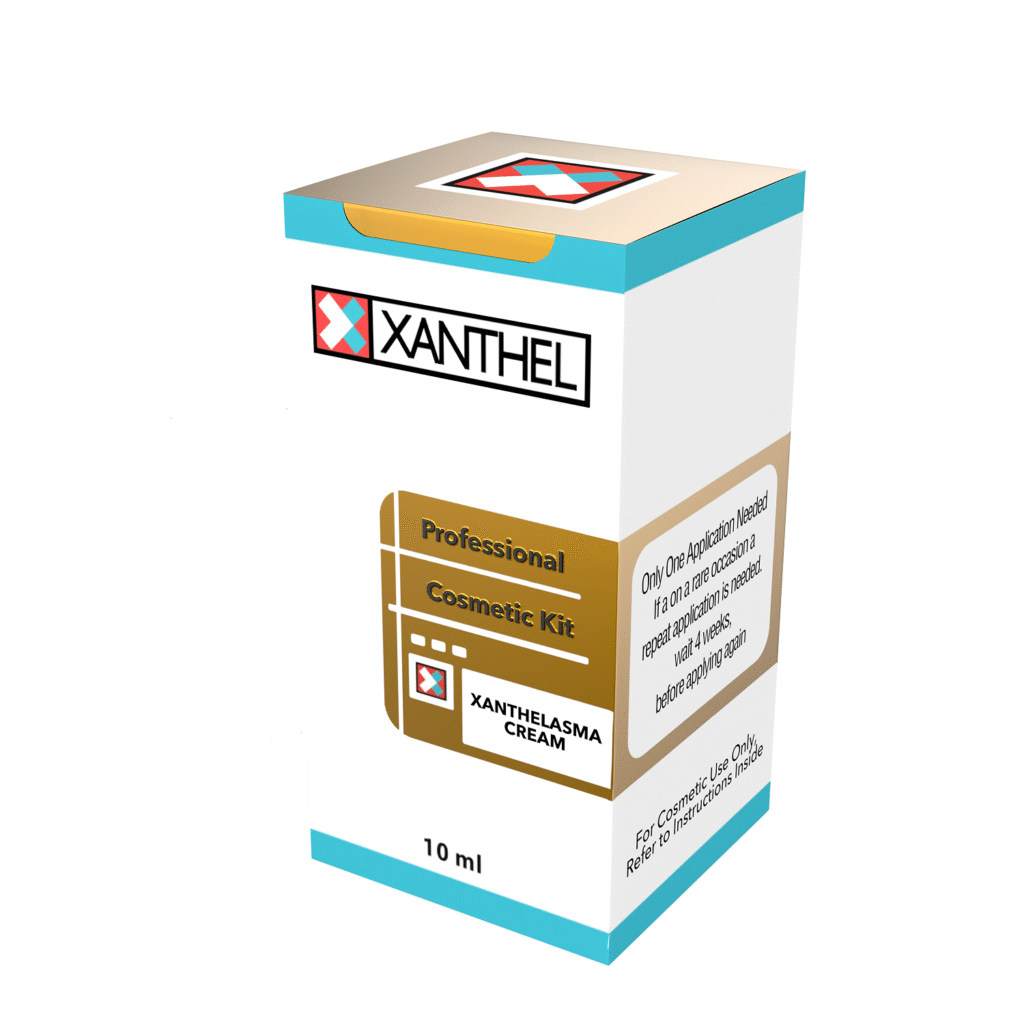
– Xanthel ® cream that involves the application of a formulation to remove the layers of the xanthelasma.

– Cryotherapy (cold treatment) and electrodessication (heat treatment) which utilize temperature extremes to remove the deposits.
– Effectiveness and Sessions: While these treatments can be effective, you may need multiple sessions to achieve the desired results.
– Risk of Recurrence: Importantly, even after treatment, xanthelasmas have the potential to reappear, necessitating potential follow-ups.

Surgical Methods for Xanthelasma Removal
Surgical Excision Techniques
If you’re noticing yellowish bumps near your eyelids and have been diagnosed with xanthelasma, you might be exploring your options for removal. It’s important to understand that there are several surgical methods available to help you achieve clearer skin:
- Liquid Nitrogen Cryotherapy:
This technique utilizes extreme cold to freeze the xanthelasmas. It’s common, minimally invasive, and might require multiple sessions.
- Laser Surgery:
High-precision lasers target and evaporate the cholesterol deposits. This option is precise and can reduce the risk of scarring.
- Radiofrequency Ablation:
Radio waves are used to heat and dissolve the xanthelasmas. Sometimes, this method is followed by stitches to ensure proper healing.
- Surgery Using Extreme Heat:
Similar to radiofrequency ablation, this procedure involves using heat to remove the deposits. It is effective but may also necessitate several sessions.
These treatments are generally quite effective, but it’s not uncommon for xanthelasmas to reappear over time. Reoccurrence can be disheartening, but working closely with your healthcare provider to manage your cholesterol levels can help reduce the risk of recurrence.
Post-Surgical Care and Considerations
After your surgical procedure, taking proper care of the treated area is crucial for optimal healing and to minimize the chances of scars or infection:
- Follow your doctor’s instructions:
You will be given specific care instructions post-surgery. These may include applying ointments, taking prescribed medications, and proper cleaning of the area.
- Avoid rubbing or pressing:
The eyelids are delicate, so avoid any harsh rubbing or pressing on the area that was treated to ensure proper recovery.
- Monitor for signs of complications:
Keep an eye out for unusual symptoms such as excessive swelling, discharge, or signs of infection, and report them to your doctor immediately.
- Protect your skin:
Sun exposure can affect the healing process and may even lead to discoloration. Protecting your skin from the sun after treatment is essential.
- Be patient:
Healing takes time, and multiple treatment sessions might be needed. Be patient with the process and keep realistic expectations about the results.

In summary, it’s vital to consult with a specialized healthcare professional who can guide you through the various treatment options for xanthelasma removal. They can also help you understand the risk of recurrence and the essential steps you can take to potentially prevent it. Whether you choose to undergo cryotherapy, laser surgery, radiofrequency ablation, or surgery using heat, remember that adhering to post-surgical care is integral to your recovery and the overall success of the treatment.
Cryotherapy for Xanthelasma
Liquid Nitrogen Cryotherapy Explained
As you explore treatments for xanthelasma, consider the option of liquid nitrogen cryotherapy. This non-invasive procedure entails the application of extreme cold to target and remove the cholesterol deposits under your skin.
- How It’s Performed:
During the procedure, your healthcare professional will carefully apply liquid nitrogen to the xanthelasmas. This application induces a freezing effect which destroys the fatty cholesterol deposits.
- Sensation During Treatment:
You may experience a sense of cold or mild discomfort during the application of the cryotherapy. Local anesthesia may be used to minimize any pain.
- Duration:
Each session is relatively quick, usually taking just a few minutes.
- Session Frequency:
Depending on the size and number of xanthelasmas, you may require multiple sessions to achieve optimal results.
Your healthcare provider will evaluate your specific condition and discuss whether liquid nitrogen cryotherapy is the right course of action for you.
Effectiveness and Aftercare of Cryotherapy
The effectiveness of cryotherapy is notable, with many patients observing a significant reduction in the appearance of xanthelasmas after treatment. To achieve the best outcome, it’s imperative to adhere to a strict aftercare regimen.
- Immediate Aftercare:
Post-procedure, you may notice redness, blistering, or swelling in the treated area. These are typical reactions and should subside within a few days. Applying a cold pack can help alleviate discomfort.
- Healing Process:
The site of treatment will scab over as it heals. It’s crucial to allow the scab to fall off naturally to prevent scarring.
- Subsequent Care:
Once healed, you should engage in routine skin care, including moisturizing and protecting the skin with sunscreen to prevent hyperpigmentation or other sun-related damage.
- Potential for Recurrence:
Even with successful removal, xanthelasmas do have a tendency to reoccur. Ongoing monitoring and maintenance treatment may be necessary.
- Long-term Prevention:
Partnering with your healthcare provider to manage cholesterol levels can be a key component in preventing future outbreaks of xanthelasmas.
Remember, the treated area will be sensitive, so be gentle and avoid rubbing or picking at it. Be vigilant for any signs of infection or unusual healing patterns and inform your healthcare provider immediately if these occur.
Employing the recommended aftercare will maximize your healing and help maintain the results from your cryotherapy treatment. Furthermore, recognizing the need for and committing to long-term management of your cholesterol levels will not only aid in preventing recurrence but also support your overall health.


Laser Surgery Options
When contemplating the removal of xanthelasma, you as a patient may want to consider the advanced and less invasive options offered by laser surgery. The two primary types of lasers used are Carbon Dioxide (CO2) lasers and Neodymium-doped Yttrium Aluminium Garnet (Nd:YAG) as well as Erbium-doped Yttrium Aluminium Garnet (Er:YAG) lasers.
Carbon Dioxide (CO2) Laser Treatment
Using a Carbon Dioxide (CO2) laser for the treatment of xanthelasma involves a method where concentrated light penetrates the skin in a controlled manner to vaporize the cholesterol deposits. Here are some key points to note:
– Precision: The CO2 laser is highly precise, allowing for accuracy in targeting the affected area without harming the surrounding tissue.
– Minimal Bleeding: As the CO2 laser ablates the xanthelasma, it also cauterizes the area, reducing the risk of bleeding.
– Speed of Procedure: The treatment itself is swift, making it convenient and less time-consuming.
– Recovery: You can generally expect a relatively short recovery time, with less downtime required as compared to more invasive surgical options.
– Scarring: The risk of scarring is considerably lower with CO2 laser treatment, provided the aftercare guidelines are followed meticulously.
Post-treatment, you should anticipate a follow-up schedule with your dermatologist or healthcare professional to monitor the healing progress and to check for any potential recurrence.
Nd:YAG and Er:YAG Lasers for Xanthelasma
Alternatives to CO2 lasers include Nd:YAG and Er:YAG laser treatments. Here’s what they entail:
– Nd:YAG Laser: This laser operates at a different wavelength and can be used for deeper skin conditions. It is effective for xanthelasma removal and similarly minimizes bleeding and scarring.
– Versatility: Nd:YAG lasers are able to treat a variety of skin types and can be adjusted based on your specific needs.
– Er:YAG Laser: This type of laser is highly absorbed by water in the skin, making it suitable for more superficial skin treatments.
– Skin Resurfacing: An Er:YAG laser can also promote skin rejuvenation by encouraging new skin growth which may improve the appearance of the area post-xanthelasma removal.
With both Nd:YAG and Er:YAG lasers, you are looking at modern, efficient options that prioritize your comfort and aim for favorable cosmetic outcomes. As with any medical procedure, these treatments should be carried out by qualified personnel who have experience in laser surgeries, particularly when dealing with the delicate eye area.
Through a combination of the right treatment, expert care, and adherence to aftercare instructions, you stand a good chance of reducing the incidence of recurrence, although it cannot be guaranteed. Your commitment to lowering cholesterol with the help of your healthcare provider’s guidance may also play a pivotal role in the long-term management of xanthelasma.

Radiofrequency Ablation
What is Radiofrequency Ablation?
As you explore treatment options for xanthelasma, you’ll come across a highly effective method known as radiofrequency ablation. This technique utilizes radio waves to generate heat and dissolve the cholesterol deposits beneath your eyelid. Here’s what you need to know about radiofrequency ablation:
– Non-Invasive: Radiofrequency ablation is a non-invasive treatment, which means it does not require cuts or incisions.
– Precision: The technique is known for its precision, making it possible to target the xanthelasma without damaging the surrounding tissue.
– Duration: The procedure can be completed relatively quickly, and you’ll be able to return to your daily activities shortly afterward.
– Effectiveness: While multiple sessions may be necessary, radiofrequency ablation has a high success rate in the removal of xanthelasma.
– Anesthesia: Generally, local anesthesia is used to minimize discomfort during the procedure.
Your healthcare professional will determine if radiofrequency ablation is the right method for you, considering factors such as the size and thickness of your xanthelasma and your skin type.
Post-Treatment Care and Potential Side Effects
Following radiofrequency ablation treatment, you must follow your healthcare provider’s aftercare instructions closely to ensure proper healing. They may suggest:
– Keeping the Area Clean: To prevent infection, the treated area should be kept clean and dry.
– Avoiding Sun Exposure: Protecting your skin from the sun is crucial to prevent discoloration and promote healing.
– Application of Topical Agents: Your provider might prescribe topical ointments to facilitate healing and reduce scarring potential.
Being aware of potential side effects is also important:
– Temporary Redness or Swelling: You may experience some redness or swelling immediately after the procedure, which is normal and should subside.
– Risk of Scarring: While radiofrequency ablation tends to have a lower risk of scarring, this varies with individual skin types and adherence to aftercare.
– Recurrence: Even with successful treatment, xanthelasmas can recur. Taking steps to manage your cholesterol can help reduce this risk.
Throughout your treatment journey, maintaining open communication with your healthcare professional is key. They’ll need to monitor your progress and adjust your treatment plan if necessary.
Moreover, remember that these methods, including radiofrequency ablation, are part of a comprehensive approach. Lifestyle changes and medical interventions for managing cholesterol levels play a considerable role in preventing further xanthelasma development and maintaining overall skin health. Your commitment to following your healthcare provider’s advice about diet, exercise, and possibly medication will enhance the long-term success of any treatment you undergo for xanthelasma.
Xanthel ® Removal Cream for Xanthelasma
When seeking to address xanthelasma, you might also consider the home approach. Using a formulated treatment, that is applied at home, removing the xanthelasma and stopping regrowth.
Utilizing Xanthel ® for Xanthelasma
The process of using Xanthel ® removal cream for the treatment of xanthelasma involves several steps:
– Application: Clean skin and apply supplied skin protector around the plaques to be treated.
– Reaction: You may feel a slight sensation as the formualtion works on the cholesterol laden skin cells. Remove following the given removal time in the instructions.
– Healing: Keep the skin out of sunlight, the best that is possible, apply a sun cream if needed. Apply anti-bacterial cream to help speed up the healing process.
– Effectiveness: An additional session may be needed if treating really large plaques, as large xanthelasma can be quite resistant. Enough Xanthel ® is supplied for a second treatment, if one is needed.

Prevention and Risk Factor Management
Lifestyle Changes to Prevent Xanthelasma
To lower your chances of developing xanthelasma, it is necessary to implement lifestyle changes that will benefit not only your eye health but your overall well-being:
– Healthy Diet: Consuming a diet that is low in cholesterol, saturated fats, and trans fats can help reduce blood cholesterol levels, potentially decreasing the risk of developing xanthelasma.
– Regular Exercise: Engage in regular physical activity to maintain a healthy weight and improve cholesterol levels. Aim for at least 150 minutes of moderate aerobic activity or 75 minutes of vigorous aerobic activity per week, along with strength training exercises twice a week.
– No Smoking: If you smoke, seek help to quit. Tobacco use can elevate cholesterol levels and lead to heart health issues, which may contribute to xanthelasma.
– Alcohol Moderation: Limit your alcohol intake. Excessive alcohol consumption can negatively impact your cholesterol levels and overall health.
– Weight Management: Achieving and maintaining a healthy weight is essential to reduce the risk of xanthelasma and the health conditions associated with it.
– Regular Health Check-ups: Regular screening for cholesterol levels will allow for timely interventions if levels become elevated.
Following these steps can not only reduce your risk of xanthelasma but also improve your general health, providing multiple benefits to your quality of life.
Identifying and Managing Underlying Health Conditions
If you are dealing with xanthelasma, it is crucial to manage any underlying health conditions that could be contributing to their appearance:
– Manage Cholesterol: Work with your healthcare provider to develop a plan to manage high cholesterol. This may include dietary changes, medications, or other interventions.
– Control Diabetes: If you have diabetes, maintaining proper blood sugar levels is critical and can help minimize the formation of xanthelasma.
– Monitor Blood Pressure: High blood pressure should be managed with the guidance of your healthcare provider, potentially through lifestyle interventions and medications.
– Consider Genetic Factors: As some causes of xanthelasma are genetic, discuss your family medical history with your provider to determine if genetic factors may play a role.
– Regular Medical Follow-ups: Attend all recommended follow-up appointments to monitor your condition and adjust treatment as necessary.
– Patient Education: Educate yourself about your condition and the recommended treatments so you can be an active participant in managing your health.
By taking a proactive role in managing existing health conditions, you can reduce your risk of developing xanthelasma and improve your chances of successful treatment. Additionally, ongoing communication with your healthcare provider is vital to ensure that you’re on the right track and make adjustments as needed. Remember, prevention and effective management are key to minimizing future health risks and maintaining a good quality of life.
In Reflection and Recap
Summarizing the Best Treatments for Xanthelasma
When addressing xanthelasma, it’s essential for you to become familiar with the range of treatments available to effectively manage this condition. The following are notable procedures which have proven effective, yet it’s recommended to consult with a medical professional to determine the most suitable course of action based on the individual case:
– Surgical Excision: A precise and direct approach to remove xanthelasma, often resulting in immediate improvement. It’s important to note that, as with any surgery, there are potential risks such as scarring and infection.
– Laser Therapy: Utilizing lasers allows for targeted treatment and typically provides a high rate of success with minimal scarring. Different types of lasers may be used depending on the specifics of your skin and xanthelasma.
– Cryotherapy: Involving the application of extreme cold to destroy the fat deposits, this option can be less invasive but may require multiple treatments and carries the risk of skin discoloration or scarring.
– Xanthel ® removal cream: Professional treatment applied at home and removes the appearance of xanthelasma. Simple and effective at removing xanthelasma and also in stopping it from coming back.
– Electrodesiccation: This technique uses electric currents to target and eliminate the cholesterol deposits. It is often combined with other methods for improved effectiveness.
Before undergoing any treatment, it’s critical that you understand the potential side effects and the likelihood of the xanthelasma recurring. Further, treatment costs and insurance coverage may also impact your decision.