Every Removal Method Weighed On What Matters To You: How Well It Works, Downtime, Scarring, Skin Tone, Pain, Eye Safety, Recurrence And Cost
Xanthelasma removal means taking away the yellow cholesterol plaques on your eyelids so clear skin can grow back: with laser, surgery, a chemical peel, freezing or radiofrequency at a clinic, or a cream made for xanthelasma removal at home. CO2 laser has the strongest published results, surgery suits large, deep plaques, and most methods heal in about one to two weeks. Get a blood test for the cause first.
Xanthelasma removal options are CO2 or erbium laser, surgery, TCA peels, freezing and radiofrequency at a clinic, or a purpose-made cream at home for small to medium plaques. CO2 laser gave over 75% improvement in over 90% of patients in a large review. Expect one to two weeks of healing; plaques return in fewer than half of cases.
Key Takeaways
- Xanthelasma rarely fades by itself, so removal is what clears it.
- CO2 laser outperformed erbium laser and TCA peels in a 49-study review.
- Surgery suits larger, deeper plaques but must spare enough eyelid skin.
- Skin color change is the most common complication of removal.
- Plaques return in generally fewer than half of cases.
- Check the cause first: about half of people have a lipid disorder.
On This Page 17 sections
What Is Xanthelasma Removal?
Any method that takes away the plaque of cholesterol-filled cells in the eyelid skin, so new skin can grow in its place. It can be done at a clinic or, for small to medium plaques, at home with a purpose-made cream.
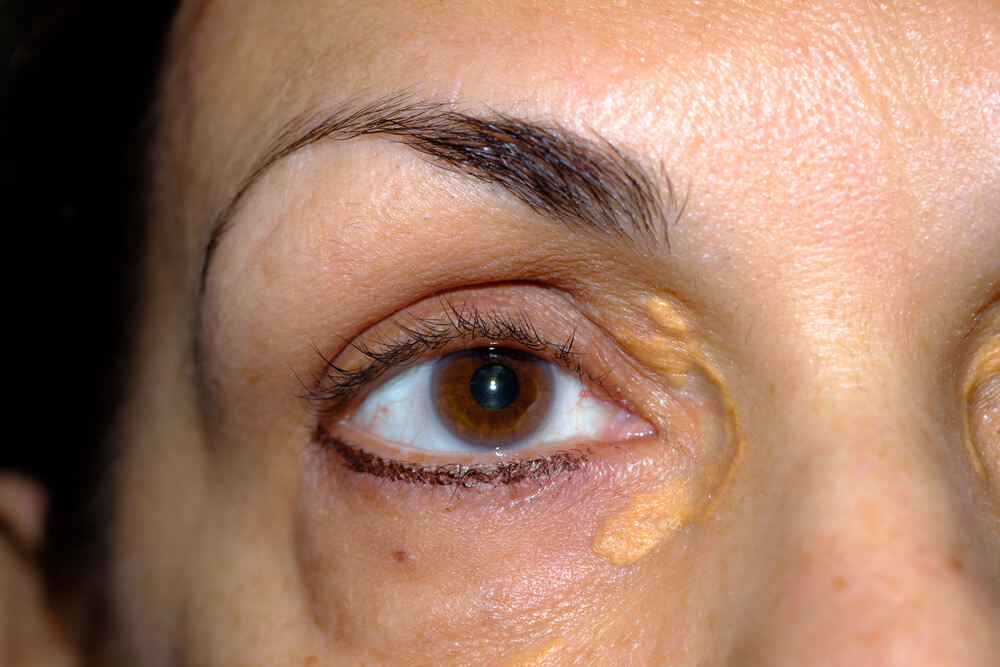
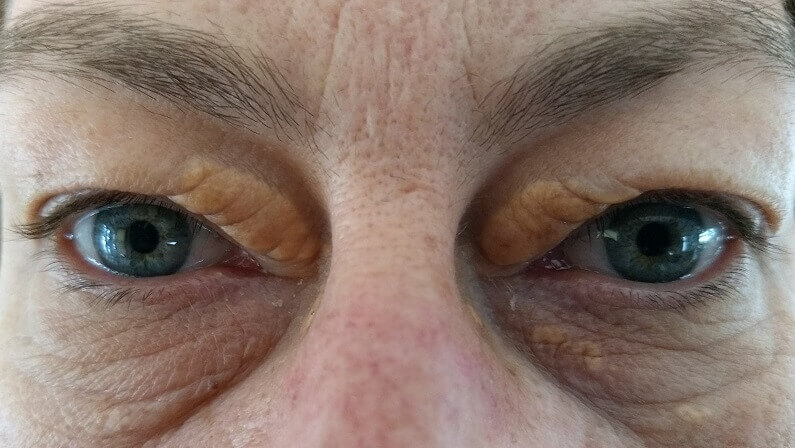
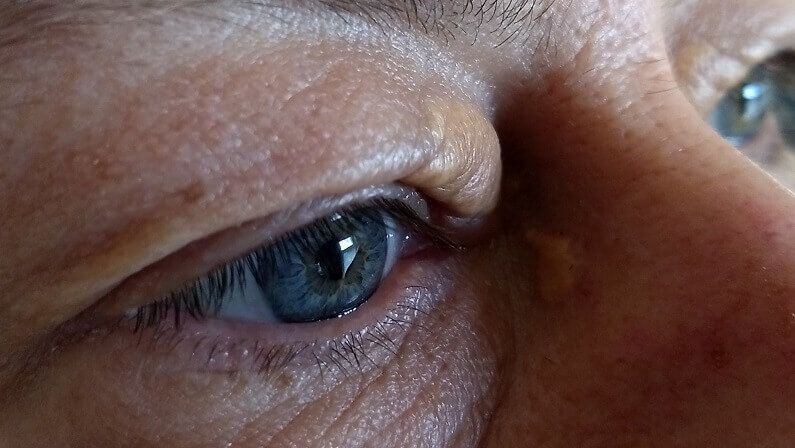
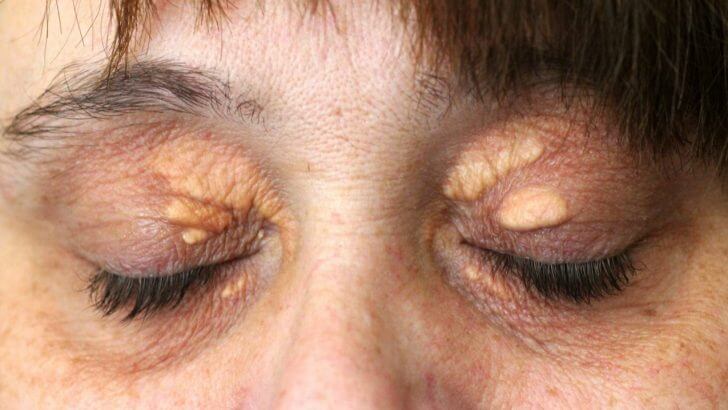
Xanthelasma is made of foam cells, immune cells packed with cholesterol, clustered around small blood vessels in the deeper layer of the eyelid skin.[1] StatPearls, the National Library of Medicine’s clinical reference, describes the plaques as rarely resolving by themselves, and notes lowering cholesterol may do little for plaques already formed.[1] So removal is how you clear them.
This page weighs every removal method on the things that matter most. Our removal of xanthelasma guide and our page on how xanthelasma is removed give other angles.

Do You Need Xanthelasma Removal?
Not medically. The plaques are benign and don’t affect your eyes, so removal is a cosmetic choice. Many people choose it because eyelid plaques are so visible, and because they tend to stay or slowly grow.
StatPearls notes the plaques themselves cause no medical complications.[1] What does matter medically is what may be behind them, which is why the blood test comes first. If you do want them gone, there’s a practical case for not waiting: deeper plaques are more likely to come back after removal.[1]
Our page on whether xanthelasma is dangerous explains the health side.
What Should You Do Before Xanthelasma Removal?
See your doctor once to confirm it’s xanthelasma and test your blood: a fasting lipid profile, liver panel, thyroid function and fasting glucose. Removal does nothing for the cause.
StatPearls reports a primary or secondary lipid disorder in about half of people with xanthelasma.[1] In one clinic study, 54.8% had normal total cholesterol, but lower HDL than people without xanthelasma.[3] And in a study of almost 13,000 people, xanthelasma was linked with higher heart risk, independent of cholesterol.[4]
Our pages on whether xanthelasma indicates raised cholesterol and the causes of xanthelasma explain the results.

What Are The Xanthelasma Removal Options?
Seven in all: CO2 laser, erbium laser, surgical excision, TCA peel, freezing, radiofrequency or electrosurgery at a clinic, and a cream made for xanthelasma removal at home.
- CO2 laser. Vaporizes the plaque layer by layer; the strongest evidence.
- Erbium laser. Gentler on surrounding skin; for flatter plaques.
- Surgical excision. Cuts the plaque out; for large, deep plaques.
- TCA peel. An acid applied in clinic; for small, flat plaques.
- Freezing. Liquid nitrogen; for small plaques.
- Radiofrequency or electrosurgery. A heated tip; for thin plaques.
- At-home removal cream. Applied only to the plaque; for small to medium plaques.
For each method in depth, see every removal method compared or xanthelasma: how to remove.
Xanthelasma Removal Compared
| Method | Evidence | Best For | Main Risks | Healing |
|---|---|---|---|---|
| Xanthel® at home | Cosmetic cream; results vary | Small to medium plaques | Redness while healing; keep away from the eye | About one to two weeks |
| CO2 laser | Over 75% improvement in over 90% | Flat to moderately raised plaques | Skin color change | One to two weeks |
| Erbium laser | Over 80% improvement | Flatter plaques | Skin color change | One to two weeks |
| Surgery | Recommended for larger, deeper plaques | Large, deep plaques | Scar; lid pulled out of shape | Stitches; one to two weeks or more |
| TCA peel | Outperformed by CO2 laser | Small, flat plaques | Scarring, color change | About one to two weeks |
| Freezing | Used for small plaques | Small plaques | Swelling, scarring, lighter skin | About one to two weeks |
| Radiofrequency | Fewer published studies | Thin plaques | Scarring, color change | About one to two weeks |
Which Xanthelasma Removal Method Works Best?
For most plaques, CO2 laser. A 2023 review of 49 studies found it gave more than 75% improvement in over 90% of patients and outperformed erbium laser and 30 to 50% TCA peels. For large, deep plaques, surgery is recommended.
Erbium laser gave more than 80% improvement in the same review.[2] Peels and freezing work on small plaques but carry more risk of scarring and color change.[1] Radiofrequency has fewer published studies than laser.
“Best” also depends on you: plaque size and position, skin tone, budget and whether you’d rather avoid a clinic. Our page on how to get rid of xanthelasma gives an honest verdict on each.

How Much Downtime Does Xanthelasma Removal Need?

Usually about one to two weeks for the skin to settle, whichever method you choose. Surgery adds stitches and bruising; laser on thick plaques can need more than one session.
- First days. Redness, mild swelling, perhaps a crust.
- Week one. Crusts lift; stitches come out after surgery.
- Week two. Fresh pink skin; most people are comfortable in public.
- Following weeks. Color evens out; protect it from the sun.
Plan removal for a fortnight without big events, skip eye makeup on the area until healed, and don’t pick crusts.

Does Xanthelasma Removal Leave Scars Or Marks?
It can. The most common complication across methods is a change in skin color, lighter or darker. Freezing and peels carry more scarring risk, and surgery that removes too much skin can pull the lid out of shape.
The 2023 review identified dyspigmentation as the most frequent complication.[2] StatPearls notes freezing and chemical cauterization can scar and discolor, and warns that excessive excision can turn the lid outward or pull it away from the eye.[1]
Color change tends to show more on medium and darker skin, so ask any clinic how often they remove xanthelasma on your skin type, and protect healed skin from the sun for several months.

Does Xanthelasma Removal Hurt?
Clinic removal is done with numbing cream or a local anesthetic injection, so most people feel only pressure or brief stinging. Afterward, the area is usually sore, red and a little swollen for a few days.
The anesthetic injection itself stings briefly. Laser and freezing feel like quick heat or cold; surgery is painless once numb. Simple pain relief your doctor recommends and a cool compress usually help in the first days.
With at-home removal, follow the guide closely and expect some tingling and redness while the skin heals. Any severe pain, spreading redness, discharge or change in vision needs a doctor.
Is Xanthelasma Removal Safe So Close To The Eye?
Yes, when done properly. Clinics use metal eye shields for laser and plan surgery to leave enough lid skin. At home, a purpose-made cream must be applied only to the plaque and kept away from the eye and lash line.
The plaques sit in the eyelid skin, not the eye, so removal doesn’t involve the eyeball itself.[1] The real eye-area risks come from improvising: kitchen acids, squeezing and wart-freezing kits right beside the eye. Our page on whether you can squeeze out xanthelasma explains why that never works.
How Are Large Or Lid-Edge Plaques Removed?
Usually by an oculoplastic (eyelid) surgeon, with careful excision, sometimes using skin flaps or grafts, removal in stages, or an eyelid lift when there’s loose skin anyway.
The 2023 review recommended surgery for larger, deeper plaques.[2] Eyelid skin is thin and limited, and StatPearls warns over-removal can distort the lid.[1] That’s why large plaques, and plaques at the lid edge, are best with someone who does a lot of eyelid surgery.
Our page on who removes xanthelasma helps you find the right specialist.

Can You Do Xanthelasma Removal At Home?
Yes, for small to medium plaques on the open eyelid skin, with a cream made specifically for xanthelasma removal, after your doctor has checked the cause.
- Prepare. Clean, makeup-free skin and good light.
- Apply precisely. Only on the plaque, following the supplied guide.
- Wait and rinse. Leave it for the time stated, then rinse off.
- Heal. About one to two weeks; keep it clean, use the recommended antibacterial cream, don’t pick, and protect it from the sun.
Our pages on xanthelasma removal at home and our xanthelasma removal cream guide explain more.
If your doctor has checked the cause and your plaques suit home removal, this is the cream we make for xanthelasma removal at home.
Does Xanthelasma Come Back After Removal?
It can, with any method. StatPearls gives recurrence as generally under 50%, around 60% after repeat procedures, and higher for deeper plaques.
Those figures come from StatPearls.[1] Removal clears the plaque, not the conditions that formed it, so no method can promise it will never return. Managing any lipid problem, removing plaques while they’re small and dealing with new spots early give you the best odds.
Our pages on whether xanthelasma can come back and how to prevent xanthelasma go further.

How Much Does Xanthelasma Removal Cost?
Clinic costs vary widely by method, specialist, region and the number of plaques and sessions, and insurance rarely pays because removal is seen as cosmetic. Xanthel® for at-home removal is $169 with free international delivery.
Surgery with an eyelid surgeon is generally the most expensive route, and laser may need more than one session for thicker plaques. Ask any clinic for a written, all-in quote that includes follow-ups and repeat sessions. Your doctor’s visit and blood tests are normally covered like any other check.
Our pages on how much xanthelasma removal costs and whether removal is covered by insurance go into the detail.

What Isn’t Xanthelasma Removal?
Squeezing, kitchen remedies and wart-freezing kits. They don’t remove the foam cells in the skin, and some cause burns and scarring beside the eye.
- Garlic. A review of 39 garlic burn cases found mostly second-degree burns, some leaving scars, especially on the face.[5]
- Apple cider vinegar. Has caused chemical burns with a risk of scarring and darkening on skin spots.[6]
- Castor oil. We’ve found no published evidence that it removes xanthelasma.
- Squeezing or cutting. There’s no core to push out; you only damage the skin.
- Wart-freezing kits. Made for thick skin on hands and feet, not eyelids.
What’s The Bottom Line On Xanthelasma Removal?
Xanthelasma removal clears plaques that rarely fade by themselves. CO2 laser has the strongest evidence for most plaques, surgery suits large, deep or lid-edge plaques, peels and freezing suit small ones, and a purpose-made cream can remove small to medium plaques at home. Expect about one to two weeks of healing, a risk of skin color change, and recurrence in generally fewer than half of cases. Get your blood tests first.
Xanthel® is a cosmetic cream made for xanthelasma removal at home, sold by Xanthelasma.com. You’ll find it in the at-home section above and at the foot of this page, or read more about Xanthel® for xanthelasma removal at home. For more on the condition, see our complete xanthelasma guide, or browse all our xanthelasma guides.
Common Questions About Xanthelasma Removal
What Is The Best Xanthelasma Removal Method?
In a 49-study review, CO2 laser gave the strongest results for most plaques, while surgery suits large, deep ones.
Can I Do Xanthelasma Removal At Home?
Yes, for small to medium plaques, with a cream made specifically for xanthelasma removal and applied only to the plaque.
Does Xanthelasma Removal Hurt?
Clinic removal uses numbing, so most people feel only brief stinging, followed by a few days of soreness.
Does Xanthelasma Removal Leave A Scar?
It can; skin color change is the most common complication, and freezing and peels carry more scarring risk.
How Long Does Recovery From Xanthelasma Removal Take?
Usually about one to two weeks, with color settling over the following weeks.
Will Xanthelasma Come Back After Removal?

It can, in generally fewer than half of cases, more often when plaques were deep or removed repeatedly.
Is Xanthelasma Removal Covered By Insurance?
Usually not, because it’s seen as cosmetic, though the doctor’s visit and blood tests normally are.
Do I Need To See A Doctor Before Xanthelasma Removal?
Yes, once, to confirm the diagnosis and test for a cause, since about half of people have a lipid disorder.
Sources
- Blair K. Xanthelasma Palpebrarum. StatPearls, National Library of Medicine (NCBI Bookshelf), updated 2026.
- Malekzadeh H, Ormseth B, Janis JE. A Practical Review of the Management of Xanthelasma Palpebrarum. Plastic and Reconstructive Surgery Global Open, 2023;11(5):e4982.
- Kavoussi H, Ebrahimi A, Rezaei M, Ramezani M, Najafi B, Kavoussi R. Serum lipid profile and clinical characteristics of patients with xanthelasma palpebrarum. Anais Brasileiros de Dermatologia, 2016;91(4):468-471.
- Christoffersen M, Frikke-Schmidt R, Schnohr P, Jensen GB, Nordestgaard BG, Tybjaerg-Hansen A. Xanthelasmata, arcus corneae, and ischaemic vascular disease and death in general population: prospective cohort study. BMJ, 2011.
- Hitl M, Kladar N, Gavaric N, Srdenovic Conic B, Bozin B. Garlic burn injuries: a systematic review of reported cases. American Journal of Emergency Medicine, 2021.
- Feldstein S, Afshar M, Krakowski AC. Chemical Burn from Vinegar Following an Internet-based Protocol for Self-removal of Nevi. Journal of Clinical and Aesthetic Dermatology, 2015;8(6).