
Remove Xanthelasma
Every Way to Remove the Yellow Eyelid Marks, Compared Method by Method
Looking to remove xanthelasma? This guide lays out each removal method, surgery, cryotherapy, laser, radiofrequency, electrosurgery, and the at-home cream, with what each involves, its pros and cons, and recovery, so you can choose with clear eyes.
By Xanthelasma.com
How to Remove Xanthelasma: The Options
Xanthelasma, the soft yellow cholesterol plaques on the eyelids, will not fade on its own and tends to grow slowly, so removing it means actively clearing the mark. The good news is you have several options, and they differ a lot in how invasive they are, how much they cost, the recovery involved, and the risk of scarring near the eye. This page walks through each one so you can weigh them properly.
The methods fall into two groups: clinic procedures (surgical excision, cryotherapy, laser, radiofrequency, and electrosurgery) and the at-home route, a cosmetic cream made for the purpose. Xanthel ® is a cosmetic skincare cream made for xanthelasma removal at home, and is the least invasive option. Whichever you choose, one principle holds: removal clears the visible mark but not the underlying cause, so a quick cholesterol check with your doctor is worth doing alongside. Our what is xanthelasma page covers the condition itself.

Surgical Excision
Surgical excision is the most direct method: under local anaesthetic, a surgeon cuts the plaque out and closes the skin, sometimes with stitches. It is effective and often definitive for a single, well-defined, or larger plaque, which is its main strength.
The trade-offs are that it is the most invasive option, it leaves a wound that needs to heal, and it carries a scarring risk, particularly relevant on the delicate, visible eyelid skin. Recovery involves aftercare (keeping the area clean and protected) over a couple of weeks, and as with every method, the marks can recur if the underlying cause is not managed. Surgery tends to make most sense for larger or thicker plaques where other methods are less suitable. Our page on who removes xanthelasma covers the specialists who carry out these procedures.
Cryotherapy (Freezing)
Cryotherapy removes xanthelasma by applying extreme cold, usually liquid nitrogen, to freeze and destroy the deposit. Each session is quick, often only a few minutes, applied with a probe or applicator while the surrounding skin is protected.
Its drawbacks are worth understanding. Because it relies on freezing, there is a notable risk of pigmentation changes, either lighter (hypopigmentation) or darker (hyperpigmentation) skin in the treated area, which can be more visible on some skin tones. Blistering, swelling, and redness during healing are common, and more than one session is often needed for thicker plaques. As always, recurrence is possible if cholesterol is not addressed. Cryotherapy can be effective but the pigment-change risk near the eye is the main consideration. Our treating xanthelasma page compares it with the alternatives.

Laser Removal
Laser removal uses a focused beam (commonly CO2, Er:YAG, or Nd:YAG lasers) to remove the xanthelasma layer by layer, under local anaesthetic. Its appeal is precision: the laser can target the plaque while limiting damage to the surrounding skin, and healing is often relatively quick.
The considerations are that it usually needs a specialist clinic and skilled operator, may require several sessions depending on the size and number of plaques, and is generally one of the more expensive routes. There is still a risk of scarring, infection, and pigment changes, and it is best suited to well-defined plaques that are not too deep. Recovery involves careful aftercare and sun protection over a couple of weeks. And, like all methods, it does not prevent recurrence if the cause is unmanaged. Our pages on how to remove xanthelasma and removal of xanthelasma cover the procedures further.

Radiofrequency and Electrosurgery
These two related methods use energy to remove the plaque. Radiofrequency ablation delivers heat from radio waves through a fine probe to break down the deposit, while electrosurgery (also called electrocautery or electrodessication) uses a fine electric current to heat and remove it. Both are precise, can be done under local anaesthetic, and are often completed in a single session for smaller plaques, with reduced bleeding.
The downsides mirror the other energy-based methods: a risk of scarring and pigment changes on the eyelid skin, the need for an experienced operator, and the possibility that larger marks need a stitch or more than one session. Recovery brings the usual short-lived redness and swelling, with aftercare and sun protection important for a good result. Recurrence remains possible without managing the underlying cause. These methods sit between surgery and the gentler options in terms of invasiveness. Our page on how to get rid of xanthelasma ranks the options by invasiveness.

The At-Home Route: Xanthel ®
The least invasive way to remove xanthelasma is an at-home cosmetic cream made for the purpose. Xanthel ® is a cosmetic skincare cream made for xanthelasma removal at home: you apply it precisely to the plaque on clean, makeup-free skin following the supplied guide, leave it for the specified time, then rinse, after which the treated area heals over roughly one to two weeks. One application is enough for most people, with enough supplied for a second treatment if a larger plaque needs it.
Its appeal is that it avoids what puts many people off the clinic routes: no cutting, freezing, or burning, no clinic visits or per-session fees, and no dedicated recovery away from home, while still being made specifically for clearing the eyelid plaques. Some mild redness during healing is normal. As with every method on this page, it clears the mark but not the underlying cause, so pairing it with a cholesterol check is sensible. For most people weighing cost, convenience, and the scarring risk of a procedure right next to the eye, this is the natural first choice. Our xanthelasma removal cream page covers the product in detail.
Removing the Marks vs Managing the Cause
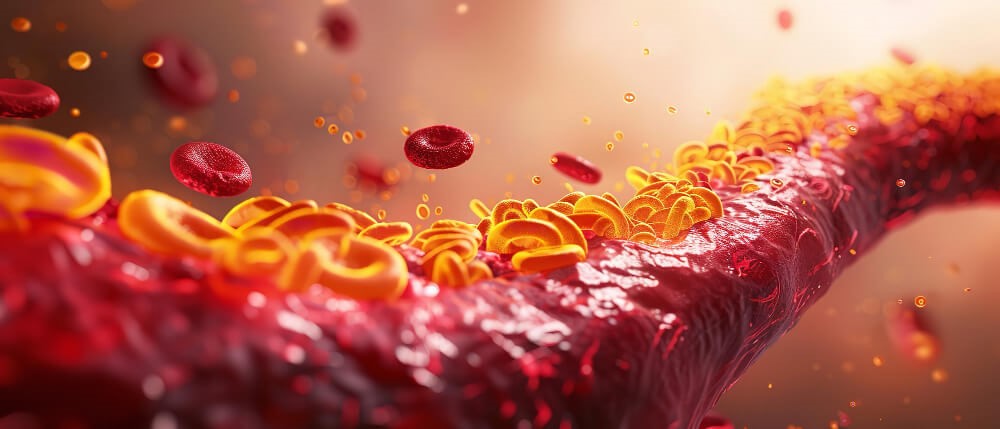
A point that applies to every method above: removal deals with the visible mark, not the reason it formed. Xanthelasma is made of cholesterol, so a simple lipid test from your doctor is worth doing alongside whichever removal route you choose. Around half of people with xanthelasma have completely normal cholesterol, so for many this is reassurance, but where raised cholesterol, or sometimes a thyroid or diabetes issue, is present, managing it protects your wider health and reduces the chance of new marks.
This is why no removal method, surgical or at-home, can promise the marks will never return: none of them changes your cholesterol or genetics. That is not a weakness of any particular method, just the nature of the condition. Combining removal with attention to the cause is what gives the most lasting result, and if new marks ever appear, they can simply be treated again. Our pages on the causes of xanthelasma, whether it can come back, and how to prevent it cover the cause side.
Remove Xanthelasma: The Bottom Line
You can remove xanthelasma several ways. Surgical excision is effective for larger marks but the most invasive, with a scarring risk. Cryotherapy freezes the mark off but carries a pigment-change risk. Laser is precise but costlier and often needs several sessions. Radiofrequency and electrosurgery use energy and sit in between. The at-home cream is the least invasive, most affordable route, avoiding clinic visits and the scarring risk of a procedure near the eye. The right choice depends on the size of your marks, your budget, and how much downtime you can accept.
Whichever you choose, pairing removal with a cholesterol check covers the underlying side. If you would rather avoid a clinic, xanthelasma removal at home with a cream made for the purpose is the simplest place to start. You can also read how much removal costs or whether it is covered by insurance.

Common Questions About Removing Xanthelasma
What is the best way to remove xanthelasma?
There is no single best method, it depends on the size of your marks, your budget, and how much downtime you can accept. An at-home cosmetic cream is the least invasive and most affordable route, which is why many people start there. Clinic procedures like surgery, laser, cryotherapy, and electrosurgery are effective too but are more involved and often need repeat sessions.
Can I remove xanthelasma at home?
Yes. Xanthel ® is a cosmetic skincare cream made for xanthelasma removal at home, applied precisely to the plaque following the supplied guide, with the skin healing over one to two weeks. It avoids the cost, scarring risk, and downtime of clinic procedures, and is the least invasive option. A cholesterol check with your doctor is still worth doing alongside.
What is the least invasive way to remove xanthelasma?
The at-home cream is the least invasive route, since it involves no cutting, freezing, or burning, no clinic visit, and no stitches. Of the clinic methods, laser and radiofrequency tend to be less invasive than surgical excision, but all clinic procedures carry more recovery and a greater scarring or pigment-change risk than the at-home option.
Does removing xanthelasma leave a scar?
It depends on the method. Surgical, laser, freezing, and energy-based procedures all carry some scarring or pigment-change risk on the delicate eyelid skin, which a skilled operator works to minimise. The at-home cream is applied only to the mark and avoids cutting, though, as with any treatment near the eye, following the aftercare guidance carefully supports the best result.
Will xanthelasma come back after removal?
It can, with any method, if an underlying cause like raised cholesterol is left unmanaged, because removal clears the mark but not the cause. Managing any underlying factor with your doctor, alongside whichever removal route you choose, reduces the chance of new marks forming. If they do return, they can be treated again.
How much does it cost to remove xanthelasma?
It varies by method. Clinic procedures like surgery, laser, radiofrequency, and cryotherapy can be expensive, often need several sessions, and are usually not covered by insurance since removal is cosmetic. An at-home cream is generally the more affordable route, which is part of why many people choose it first.
How many sessions does removal take?

It depends on the method and the size of the marks. Cryotherapy and laser often need several sessions spaced weeks apart. Surgery and energy-based methods may be done in one session for smaller marks. With the at-home cream, one application is usually enough, with enough supplied for a second treatment if a larger plaque needs it.
Should I see a doctor before removing xanthelasma?
It is worth one visit. A doctor can confirm the marks are xanthelasma rather than a look-alike, and run a simple lipid test for any underlying cause. Once you know what you are dealing with, you can choose how to remove the marks, including at home, and manage any underlying factor separately.
Xanthel ® is a cosmetic skincare cream made for xanthelasma removal at home, not a medical treatment for any underlying condition. However the marks are removed, it is worth seeing your doctor for a simple check, since xanthelasma can sometimes sit alongside lipid, thyroid, or cardiovascular factors worth identifying and managing for your wider health.