What Are Eyelid Xanthomas
Xanthelasma Palpebrarum (XP)
As you notice yellowish patches near your eyelids, you might be observing xanthelasma palpebrarum, which is the most common type of xanthoma appearing on the skin. This condition involves deposits of cholesterol under the skin of your eyelids. While it’s pivotal to understand that these lesions are benign and not directly harmful, their presence can be a sign of underlying conditions that require medical attention.
– Appearance: Xanthelasma lesions are typically soft, chalky, or semi-solid.
– Location: They most frequently occur on or near the eyelids but can appear on other parts of the body.
– Cosmetic Concern: Despite being harmless, their visibility can be a source of cosmetic concern for you.
– Indicative of Other Conditions: Xanthelasma may hint at other health issues, including high cholesterol, diabetes, or thyroid dysfunction.
It’s essential to consult a healthcare provider if you discover these types of lesions. They can further evaluate your overall health and determine if your xanthelasma is a sign of a more systemic condition.
Distinguishing Xanthomas from Other Eyelid Lesions
When you are faced with any changes on your skin, particularly around the sensitive area of your eyelids, it’s important to distinguish what they might indicate. Xanthelasma palpebrarum has distinct characteristics that set them apart from other potential eyelid lesions:
– Color: They often possess a yellow hue due to the cholesterol content.
– Texture: Their texture is generally softer than other skin nodules.
– Shape: The bumps tend to have a well-defined shape, sometimes described as plaques.
– Size: They vary in size and may grow larger over time.
It’s worthwhile to have these lesions examined by a dermatologist or an ophthalmologist who can correctly identify them through physical examination and suggest the appropriate treatment. Other lesions that could appear on the eyelids may represent different conditions, including infections, other types of benign growths, or in rare instances, malignancies. Proper diagnosis is vital.
As an individual with xanthelasma, you do have treatment options to consider:
– Surgery: Excision is a straightforward removal technique but comes with the usual risks associated with surgery.
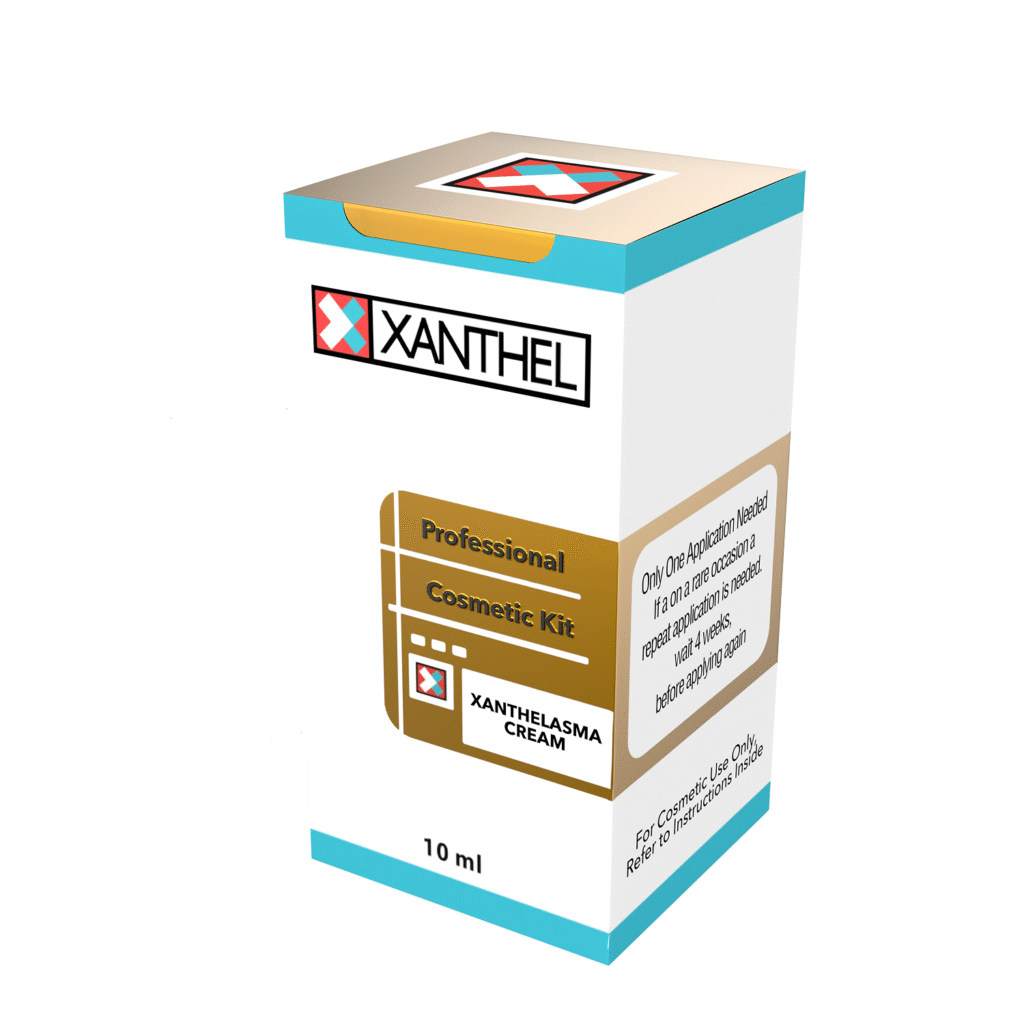
– Xanthel ®: A less invasive option, carried out at home by the client.
– Heat or Cold Treatment: Using laser or cryotherapy can be effective, albeit with variable outcomes.

Treatments are successful in removing xanthelasmas, but you should be aware that multiple sessions may be necessary, and there is a chance of recurrence. Monitoring and maintaining overall health is also a critical aspect of managing the presence of xanthelasma and preventing its recurrence. A healthy diet, exercise, and control of blood lipid levels can contribute to preventing future xanthelasmas formation and promote general well-being. It is highly recommended that you follow through with the care plan your healthcare provider suggests, tailored to your specific needs.

Causes and Risk Factors
The Role of Cholesterol in Xanthelasma Formation
– Inherited High Cholesterol: If you have a family history of high cholesterol, you may be at an increased risk of developing xanthelasma. It is not uncommon for healthcare providers to note xanthelasma in individuals whose high cholesterol stems from hereditary conditions.
– Liver Diseases: Certain liver conditions can lead to abnormal cholesterol levels and subsequently cause xanthelasma. These diseases impact the body’s ability to process fats efficiently, leading to the accumulation of cholesterol deposits around the eyes.
However, it’s important to understand that high cholesterol is not always the underlying cause of xanthelasma. Indeed, approximately 50% of people with this condition do not have elevated blood lipids. This suggests that other factors also play a significant role in the development of these cholesterol deposits.
Identifying Individuals at Risk for Developing Xanthomas
– Gender and Age: Being assigned female at birth appears to correlate with a higher incidence of xanthelasma. Onset can occur at any point between ages 20 and 70, although it is not exclusive to this range.
– Body Weight: Overweight individuals are more susceptible to developing xanthelasma, as obesity often correlates with higher cholesterol levels and metabolic syndromes that contribute to the condition.
– Smoking: A tobacco product habit can elevate the risk. Smoking is known to impact cholesterol and lipid metabolism, potentially leading to the development of xanthelasma.
– Diabetes: If you have diabetes, your risk is further heightened due to the associated lipid abnormalities that often accompany this condition.
– Family History: A family history of high cholesterol or xanthelasma itself signals a heightened risk, indicating potential genetic predispositions.
If you have been diagnosed with xanthelasma palpebrarum or are presenting with similar symptoms, it is crucial to undergo screening for underlying health conditions. Healthcare professionals will typically recommend laboratory tests to assess for lipid disorders, diabetes, and thyroid dysfunction. These evaluations can help pinpoint any treatable underlying conditions that may be contributing to the presence of xanthelasma.
In caring for patients with xanthelasma, it’s imperative to differentiate between this and other periorbital skin conditions based on characteristics such as color, texture, and distribution. Understanding these nuances is key to providing targeted and effective treatment and managing any associated systemic health issues. An interprofessional team approach, involving primary care physicians, dermatologists, and endocrinologists, will ensure comprehensive care for individuals impacted by this condition.

Appearance and Diagnosis
Recognizing the Visual Characteristics of Xanthomas
– Distinct Color: Xanthelasma typically presents itself as yellow plaques on the skin, a distinguishing feature that aids in identification. The yellow hue is a characteristic result of the lipid accumulation within the skin.
– Texture and Consistency: These plaques often have a soft or semi-solid feel, distinguishing them from other skin conditions that may appear firmer or more cyst-like.
– Location and Distribution: You will typically observe xanthelasma on the upper and lower eyelids, especially near the inner canthus. It is bilateral in most cases, meaning it appears symmetrically on both sides, aiding in visual diagnosis.

– Size Variation: The lesions can range from very small to several centimeters in diameter, sometimes merging together to form larger plaques.
As you inspect your eyes in the mirror or as your healthcare provider examines your periorbital area, these distinguishing characteristics can help to differentiate xanthelasma from other skin conditions. It is important to take note of these visual cues, as they can provide valuable information for your healthcare team and may also hold clues to underlying systemic health issues.
Diagnostic Procedures for Confirming Xanthelasma
– Professional Skin Examination: A thorough examination by a dermatologist or primary care physician is the initial step toward diagnosis. Professionals will assess the lesions’ appearance, considering the factors mentioned above.
– Blood Work: To investigate underlying causes, a comprehensive lipid panel and other tests to screen for diabetes and thyroid dysfunction are warranted. Abnormal results may necessitate more aggressive management of systemic conditions in addition to treating the xanthelasma.
– Biopsy: Although it is not routinely performed for xanthelasma, a biopsy can be performed if there is any doubt about the diagnosis. It will confirm the presence of lipid-laden macrophages, characteristic of xanthelasma.
– Imaging Techniques: In some cases, imaging studies such as ultrasound or MRI may be utilized to assess the depth and tissue involvement, although this is less common.
It is paramount you understand that while xanthelasma is benign and not harmful in itself, its presence may signal that you should have a broader health assessment. Should you encounter yellowish plaques around your eyelids, you are encouraged to engage with your healthcare team for a thorough evaluation. They will guide you through both the diagnosis and the various treatment options available, ensuring that any associated health conditions are effectively managed.

Impact on Health and Lifestyle
Analyzing the Health Implications of Xanthomas
As someone who might be experiencing xanthelasma palpebrarum, you should be aware of the broader health implications that could arise from this condition. Your healthcare provider may look for associated risks, assessing whether the xanthelasma is a symptom of an underlying health problem:
– Lipid Disorders: It’s common to screen for lipid abnormalities, such as high cholesterol, because these can contribute to the development of xanthelasma. Modifying your diet, increasing physical activity, or medication might be recommended to manage your lipid levels.
– Diabetes: Regular monitoring of blood sugar levels is advised, as diabetes can alter lipid metabolism and increase the risk of xanthomas.
– Thyroid Dysfunction: Thyroid hormones play a crucial role in metabolism, including lipid metabolism. Hypo- or hyperthyroidism can predispose you to xanthelasma, so thyroid function tests are often part of the evaluation.
– Liver Function: Given the role of the liver in fat metabolism, compromised liver function might manifest as xanthelasma. Therefore, your healthcare team might investigate liver function as part of your workup.
– Heart Disease: Since xanthelasma could be indicative of dyslipidemia, there’s a potential link to an increased risk of heart disease. Proactive cardiovascular risk assessment is particularly important if you’re diagnosed with xanthelasma.
Your healthcare team’s goal is to not only treat the xanthelasma but also to manage any underlying conditions that may increase your risk of more serious health concerns. Continuous follow-up and lifestyle adjustments are essential to your long-term wellbeing.
The Psychological Effects of Visible Xanthomas on Patients
Xanthelasma palpebrarum might also impact you psychologically. As cosmetic blemishes, xanthelasma can affect self-esteem and social interactions:

– Body Image Concerns: Visible lesions around your eyes can cause distress and embarrassment, potentially leading to a negative body image.
– Social Withdrawal: Due to the conspicuous nature of xanthomas, you might find yourself avoiding social interaction or public exposure, leading to isolation.
– Anxiety and Depression: Persistent concerns about appearance and health can elevate levels of anxiety and sometimes contribute to depression, making psychological support a vital component of your care.
Your healthcare team takes these psychological factors seriously, integrating strategies to help you cope with the emotional aspects of xanthelasma. They may refer you to support groups or counseling services, and in some cases, recommend treatment options to address the visible manifestations of xanthelasma, if that’s your preference.
Remember, xanthelasma palpebrarum is more than just a skin condition; it can be a signal from your body indicating the need for comprehensive health evaluation. Taking a proactive approach by collaborating with your interprofessional healthcare team can help you manage not only xanthelasma but also the potential systemic health implications. Making informed decisions about treatment based on a thorough understanding of your overall health and personal preferences is key to achieving the best outcome.

Treatment Options Overview
As you navigate through the diagnosis of xanthelasma palpebrarum, understanding the array of treatment options available to you is crucial for making an informed decision that aligns with your preferences, clinical presentation, and overall health.
Non-Invasive Methods for Xanthelasma Removal
When considering the removal of xanthelasma, non-invasive methods are often the first approach suggested. These options generally involve minimal downtime and can be effective for certain types of lesions:
– Xanthel ®: A one time application, formulated solution that is specifically developed to target xanthelasma. Treatment is effective and fast.
– Cryotherapy: This is a method of freezing the xanthelasma with liquid nitrogen. The procedure is quick, but it may require multiple sessions, and there’s a risk of hypo- or hyperpigmentation in the treated area.
– Laser Therapy: Lasers can be used to precisely target and ablate the xanthelasma. Different types of lasers are available, and your healthcare provider will determine which is most suitable for you. Laser therapy can offer excellent cosmetic results, but it may be cost-prohibitive for some patients.
– Radiofrequency Ablation: This is another technique that uses radio waves to heat and destroy the xanthelasma. Radiofrequency ablation can be less damaging to surrounding tissues than some other methods.
These non-invasive methods may be favored due to their reduced risk of scarring and quick recovery periods. However, there is always a possibility of xanthelasma recurrence, especially with lasers, and these treatments may not be suitable for large or deep lesions.
Surgical and Medical Interventions
If non-invasive methods are not suitable or effective, other approaches may be recommended:
– Surgical Excision: Direct surgical removal of the xanthelasma can ensure complete removal, which is beneficial for larger lesions. This procedure is usually done under local anesthesia, and the recovery period may involve some discomfort and downtime.
– Electrodesiccation: This technique uses electrical current to dry out the xanthelasma, leading to its removal. As with other methods, there’s a risk of changes in skin pigmentation and potential for scarring.
In some cases, underlying health conditions that contribute to the development of xanthelasma may also require medical intervention:
– Lipid-lowering agents: If lipid disorders are present, medications like statins may be prescribed to control cholesterol levels, which could help prevent future growth of xanthelasma.
– Management of Systemic Conditions: Effective management of diabetes, thyroid dysfunctions, and liver diseases is important to reduce the likelihood of further xanthelasma formation.
Your treatment team will assist in choosing the most suitable treatment option, considering not just the xanthelasma itself but your overall health and wellness. They will also provide you with comprehensive follow-up care to ensure long-term management of both the cosmetic and systemic aspects of xanthelasma palpebrarum. Regular communication with your team is vital to monitor your progress and adapt treatment strategies as necessary.

Surgery vs. Less Invasive Treatments: Weighing the Options
For many, surgical removal of xanthelasma is considered when xanthelasma is particularly large or bothersome.
– Surgical Removal:
– Pros:
– Immediate Results: Surgical excision leads to the immediate removal of xanthelasma, providing a quick cosmetic fix.
– High Efficacy: Surgery is highly effective and can completely eliminate the lesions in one procedure.
– Long-Term Solution: The chances of recurrence are lower when compared to topical treatments.
– Cons:
– Invasive: As a surgical procedure, it comes with inherent risks like bleeding, infection, or scarring.
– Downtime: You may require time off from work or social activities for recovery.
– Costly: Surgical options can be very expensive, and insurance may not cover the procedure if it is deemed cosmetic.
– Less Invasive Treatments, such as Xanthel ® or cryotherapy:
– Pros:
– Minimally Invasive: These options are less invasive than traditional surgery, with usually minor side effects.
– Short Recovery: Downtime is minimal, making it easier for you to return to daily activities swiftly.
– Effective: Xanthel ® can effectively reduce xanthelasma, especially in smaller lesions.
Your treatment team can help you to weigh these options, taking into account your individual circumstances, the severity of your xanthelasma palpebrarum, and your personal preference.
Aftercare and Prevention
Best Practices for Post-Treatment Care
After undergoing treatment for xanthelasma palpebrarum, whether it be surgical removal, Xanthel ®, or cryotherapy, it’s paramount to adhere to best practices in post-treatment care to ensure optimal healing and minimize the risk of complications.
– Follow your provider’s instructions: Your health professional will provide you with specific aftercare guidance. It’s essential that you follow these instructions carefully to promote healing.
– Apply any prescribed topical treatments: If you have been given creams or ointments to use after treatment, apply them as directed to aid in recovery and soothe the skin.
– Keep the area clean and dry: Gently clean the treated area with a recommended mild cleanser and keep it dry. Avoid touching, rubbing, or applying pressure to the area to prevent irritation.
– Monitor for signs of infection: Watch for symptoms such as increasing redness, swelling, pus, or severe pain, and report these to your healthcare provider immediately.
– Attend follow-up appointments: Revisiting your healthcare team allows them to monitor your healing process and address any potential issues promptly, if the style of treatment you have chosen deems it.
By following these post-treatment care guidelines, you can aid in the healing process and maintain the aesthetic results achieved through treatment.
Strategies to Prevent Recurrence of Xanthomas
Preventing the recurrence of xanthelasma palpebrarum is critically important and involves addressing both external care and internal health factors.
– Maintain a healthy lifestyle: Adopt a balanced diet rich in fruits, vegetables, lean proteins, and whole grains. Exercise regularly to improve your general health and support healthy circulation.
– Control cholesterol levels: Since xanthelasma is often associated with lipid disorders, managing your cholesterol and lipid levels through diet or medication can reduce the risk of new lesions forming.
– Regularly monitor your health: Periodic check-ups with your healthcare provider can help catch and address any lipid abnormalities, diabetes, or thyroid issues before they lead to the development of new xanthomas.
– Protect your skin: Use gentle skincare products and protect the periorbital area from sun exposure, which can help maintain skin health and potentially discourage xanthelasma formation.
– Don’t smoke: Smoking can exacerbate lipid disorders and negatively affect your overall health; quitting smoking may reduce your risk of xanthelasma recurrence.
By integrating these strategies into your daily routine, you may reduce the likelihood of developing new xanthelasma lesions and support your overall well-being. Remember, your interprofessional healthcare team is there to assist you in managing both the cosmetic and systemic aspects of xanthelasma. Don’t hesitate to reach out to them for guidance or with any concerns you have regarding prevention or long-term management.
Understanding Xanthelasma Palpebrarum
Differentiating Xanthelasma Palpebrarum
As you consider the condition of xanthelasma palpebrarum, it is essential to distinguish it from other periorbital skin conditions. Look for the following characteristics:
– Color: Xanthelasmata typically present as yellowish plaques.
– Texture: They tend to have a soft or semi-solid consistency.
– Distribution: These plaques often appear symmetrically around the eyelids.
Recognizing these hallmarks can help in accurately identifying the condition and prevent confusion with other skin issues.
Importance of Screening for Associated Conditions
If you suspect that you have xanthelasma palpebrarum, it’s imperative to undergo screening for associated systemic conditions. These tests can identify underlying disorders:
– Lipid Disorders: Since xanthelasma palpebrarum can be an indicator of dyslipidemia, lipid panel tests are recommended.
– Diabetes: Blood glucose levels should be assessed to rule out diabetes mellitus.
– Thyroid Dysfunction: Thyroid function tests can detect hypothyroidism, another potential contributor to xanthelasma formation.
Timely detection of these conditions is crucial for effective management and improving your overall health outcome.
Selecting Appropriate Treatment for Xanthelasma Palpebrarum
When choosing a treatment for xanthelasma palpebrarum, consider various factors to ensure the best outcome:
– Patient’s Preferences: Discuss non-invasive vs. surgical options to align with your comfort level.
– Clinical Presentation: Treatment varies depending on the size and extent of the xanthelasmata.
– Underlying Health Conditions: Address any systemic issues possibly contributing to the lesion development.
A thorough consultation with a healthcare provider will help in selecting the most suitable treatment plan.
Role of the Interprofessional Team in Xanthelasma Management
The management of xanthelasma palpebrarum extends beyond removal of the plaques. An interprofessional healthcare team strives to provide comprehensive care:
– Ongoing Evaluation: Regular follow-up appointments to monitor your condition are vital.
– Coordinated Treatment: Collaborative efforts from dermatologists, primary care physicians, endocrinologists, and potentially surgeons ensure multifactorial management.
– Education and Support: Healthcare providers should inform you about the nature of xanthelasma palpebrarum and guide you through both cosmetic and medical aspects of treatment.
This teamwork enhances the quality of care, addressing the complexities of your condition for long-term management.

In reflection
Summary of Key Points on Eyelid Xanthomas
As you navigate the journey of understanding and treating xanthelasma palpebrarum, keep in mind:
– The importance of distinguishing this condition from other skin issues by their characteristic yellow color, texture, and distribution.
– The necessity of screening for systemic conditions such as lipid disorders, diabetes, and thyroid dysfunction, as xanthelasma may signal these underlying health issues.
– The value of choosing a treatment option that accommodates your preferences, clinical presentation, and any underlying systemic conditions to achieve optimal results.
– The integral role of an interprofessional team in coordinating your evaluation, treatment, and long-term management, ensuring conscientious care for both cosmetic and systemic implications of xanthelasma palpebrarum.
Looking Ahead: The Future of Xanthelasma Management
With advancements in medical research and clinical practices, the future holds promise for more precise and less invasive xanthelasma management. Continued emphasis on the interprofessional collaboration will likely further personalize care and enhance patient outcomes. Stay informed and actively involved in your healthcare, and work with your providers to navigate the evolving landscape of xanthelasma treatment.