
How Long Can Xanthelasma Last
The Time Course: Untreated, After Treatment, and the Chance of Return
How long can xanthelasma last? Untreated, indefinitely, it does not fade on its own. This page walks through the full timeline: what happens if you leave it, how long results take after removal, and whether it returns.
By Xanthelasma.com
How Long Can Xanthelasma Last?
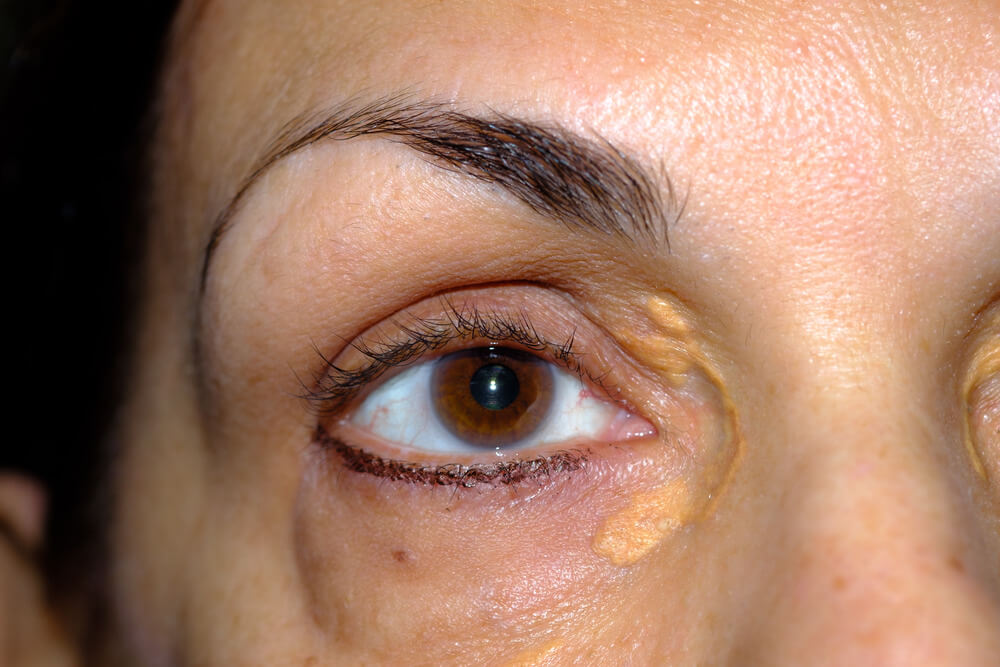
The short, honest answer is: indefinitely. Xanthelasma, the soft yellow cholesterol patches on the eyelids, does not fade or resolve on its own, so left untreated it can last for years, in effect, for as long as you have it, unless you have it removed. This is the single most important thing to know about its timeline: waiting it out is not a strategy, because there is nothing to wait for.
But “how long does it last” really has three parts worth separating: how it behaves over time if you leave it alone, how long until you see results once you treat it, and whether (and how soon) it can come back afterwards. This page walks through all three. If you decide you would rather not live with the marks indefinitely, they can be removed, Xanthel ® is a cosmetic skincare cream formulated to remove xanthelasma plaques at home. Our overview of what xanthelasma is gives the background.

Untreated: It Lasts and Slowly Grows
Left alone, xanthelasma follows a fairly predictable course, and it is not one of disappearing. The marks typically start small and subtle, then tend to grow slowly over months and years, becoming larger and more noticeable. New plaques can also appear nearby, and in some cases the marks eventually stabilise at a certain size rather than growing indefinitely, but they very rarely shrink or vanish on their own.
So if you are hoping a xanthelasma might fade given time, the realistic expectation is the opposite: it will most likely persist and gradually become more prominent. That is not a cause for alarm, the marks remain harmless throughout, this is purely about appearance, but it does mean the decision is really between living with them long-term or having them removed. There is no third option where they resolve themselves. Our page on whether xanthelasma can get bigger covers the growth pattern in more detail.
After Treatment: How Long Until Results
Once you decide to remove xanthelasma, the next timeline question is how long until it is gone and healed, and this depends on the method. With clinic procedures, the removal itself is quick, but the skin then needs time to heal: a few days for initial recovery, with any redness, swelling, or crusting settling over the following week or so, and pigment changes (if they occur) sometimes taking a few months to fully fade. Surgery with stitches involves a slightly longer recovery than laser or freezing.
With an at-home cream, the plaque is treated and the skin then heals over the following days, with the mark reducing as it does. For most typical cases a single application is enough, with a second occasionally needed for larger plaques. Across every method, the pattern is the same: a short active step followed by a healing period, with the final cosmetic result settling over days to a few weeks rather than appearing instantly. Patience during healing gives the best result. Our full range of removal options covers what each method involves.
The Recurrence Timeline: Can It Come Back?
The third part of the timeline is what happens after a successful removal, and here honesty matters. Xanthelasma can recur, because no removal method changes the underlying tendency to form the deposits. Whether and how soon it returns varies a lot between people: some never see it again, while others find new marks developing over months or years, particularly if an underlying cause like raised cholesterol goes unmanaged.
There is no fixed timeline for recurrence, it is a possibility rather than a certainty, and it is most likely where the underlying lipid picture is unaddressed. This is exactly why managing any underlying cause matters for the long-term timeline: removing the marks deals with what is there now, while a simple cholesterol check and managing anything raised reduces the chance of new ones forming later. The two together give the most durable result. Our page on whether xanthelasma comes back covers recurrence in more depth.
What Affects How Long It Lasts
Pulling the timeline together, a few factors influence how long xanthelasma lasts for any given person. The underlying cause is the big one: where raised cholesterol or another lipid issue is driving the marks, they are more likely to persist and recur unless that is managed; where it is mainly a local or genetic tendency, the picture is more individual. Genetics can mean a stronger ongoing tendency to form deposits regardless of lifestyle.
The removal method plays a part in the recurrence side, surgery tends to have a relatively low recurrence rate for the treated plaque, though no method prevents new marks elsewhere. And consistency of care matters: pairing removal with managing any underlying factor, plus a sensible lifestyle (diet, activity, not smoking), shifts the odds towards a longer mark-free period. None of this guarantees xanthelasma never returns, but it meaningfully affects how long results last. Our page on why you might have got xanthelasma covers the causes.

How Long Can Xanthelasma Last: The Bottom Line
Untreated, xanthelasma can last indefinitely, it does not fade on its own and tends to grow slowly over time, so the realistic choice is between living with it long-term or removing it. After removal, the final result settles over days to a few weeks as the skin heals, depending on the method. And while it can recur, since no method changes the underlying tendency, that is a possibility rather than a certainty, and managing any underlying cause makes a lasting result more likely.
If you would rather not have the marks indefinitely, it is worth looking at the at-home removal option, comparing the full range of removal options, and having a simple cholesterol check with your doctor to support a lasting result.
Common Questions About How Long Xanthelasma Lasts
How long can xanthelasma last?
Indefinitely, if left untreated. Xanthelasma does not fade or resolve on its own, so it can persist for years and tends to grow slowly larger over time. The only way to clear it is removal, whether by a clinic procedure or an at-home cream. Waiting for it to disappear on its own is not realistic, as it very rarely does.
Will xanthelasma go away on its own?
No. Xanthelasma very rarely shrinks or disappears without treatment. Left alone, it typically persists and grows slowly more prominent over months and years, and new plaques can appear nearby. It remains harmless throughout, so this is a cosmetic matter, but the marks will not clear themselves; removal is the only way to get rid of them.
How long does xanthelasma take to go after treatment?
The removal step is quick, but the skin then heals over the following days to weeks. Initial recovery takes a few days, with redness, swelling, or crusting settling over a week or so, and any pigment changes sometimes taking a few months. With an at-home cream, the mark reduces as the skin heals over the days following application. The final result settles gradually rather than instantly.
How long before xanthelasma comes back after removal?
There is no fixed timeline. Some people never see it return; others develop new marks over months or years, particularly if an underlying cause like raised cholesterol is unmanaged. Recurrence is a possibility rather than a certainty, since no removal method changes the underlying tendency. Managing any underlying cause makes a longer mark-free period more likely.
Does xanthelasma get bigger over time?
Usually, yes, if untreated. Xanthelasma tends to start small and grow slowly larger and more noticeable over months and years, and new plaques can develop nearby. In some cases the marks stabilise at a certain size rather than growing indefinitely. They rarely shrink on their own, which is why removal is the route if their appearance bothers you.
Why doesn’t xanthelasma just disappear?
Because it is a physical deposit of cholesterol-rich material that has built up under the skin, not a temporary blemish, the body does not reabsorb it the way it might a bruise. The deposit stays put, and the underlying tendency that produced it often persists too. This is why xanthelasma needs active removal rather than time to clear.
Can I make xanthelasma last a shorter time?
The marks will not clear faster on their own, but you can end them by removing them, rather than waiting. Removal (clinic or at-home) clears what is there, and managing any underlying cause like raised cholesterol reduces the chance of new marks lasting into the future. Avoid improvised home remedies near the eye, which do not work and can harm the skin.
Does removing xanthelasma make it last gone permanently?
Removal clears the treated marks, but cannot guarantee permanence, since the underlying tendency to form deposits can remain and produce new marks later, especially if a cause like raised cholesterol is unmanaged. The most durable result comes from combining removal with managing any underlying factor through your doctor. For many people results last well; for others, occasional new marks may appear.
Xanthel ® is a cosmetic skincare cream made to remove xanthelasma plaques at home, not a medical treatment for any underlying condition. Because xanthelasma persists until removed and can recur, and because it can occasionally point to lipid, thyroid, or cardiovascular factors, it is worth a simple check with your doctor, who can identify any underlying cause and give you the full picture of your health.