
Skin Xanthomas
The Different Types of Skin Xanthomas and What Each One Can Signal
Skin xanthomas are yellowish cholesterol deposits that can appear across the body. This page explains the main types, what they can signal about your health, and why most warrant a doctor’s assessment.
By Xanthelasma.com
What Are Skin Xanthomas?
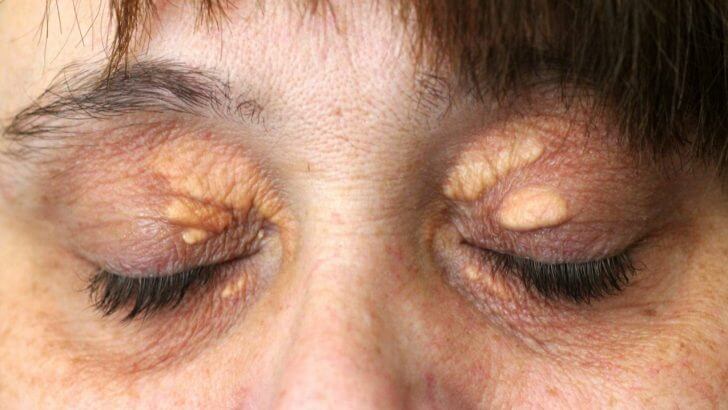
Skin xanthomas are deposits of cholesterol-rich material that build up under the skin, appearing as raised, often yellowish, waxy bumps or patches. They can be yellow, skin-coloured, or pinkish, and range from small papules to larger nodules. Unlike the eyelid-specific form, skin xanthomas can develop in many places, the trunk, arms, legs, knees, elbows, hands, and tendons among them.
The important thing to understand is that, while the deposits themselves are benign, their presence often signals something about how the body handles fats. Many types are linked to lipid disorders, sometimes inherited, and so warrant a doctor’s assessment rather than being treated as a purely cosmetic matter. This page explains the main types and what they can mean. If your concern is specifically the soft yellow patches on the eyelids, that is the form called xanthelasma, covered on our xanthelasma overview, and the broader family is explained on our xanthomas page.

The Main Types of Skin Xanthoma
Xanthomas are classified by where they appear and how they look, and the type matters because it points to different underlying concerns. The main forms are:
Xanthelasma, the soft yellow patches on the eyelids, the most common type and usually a cosmetic concern. Tuberous xanthomas, firm painless lumps over the elbows, knees, or knuckles, often linked to raised cholesterol. Eruptive xanthomas, crops of small reddish-yellow bumps that appear suddenly, usually on the buttocks, shoulders, or limbs, which can signal a sharp rise in triglycerides and need prompt attention. Plane xanthomas, flat, broad patches that can appear widely and sometimes point to a systemic condition. Tendinous (tendon) xanthomas, slow-growing nodules on tendons such as the Achilles, strongly associated with inherited high cholesterol.
The key takeaway is that different types signal different things, so identifying which one is present is genuinely useful information for a doctor. Our pages on eruptive xanthomas, tuberous xanthoma, and tendon xanthomas cover the individual types in more detail.
What Skin Xanthomas Can Signal
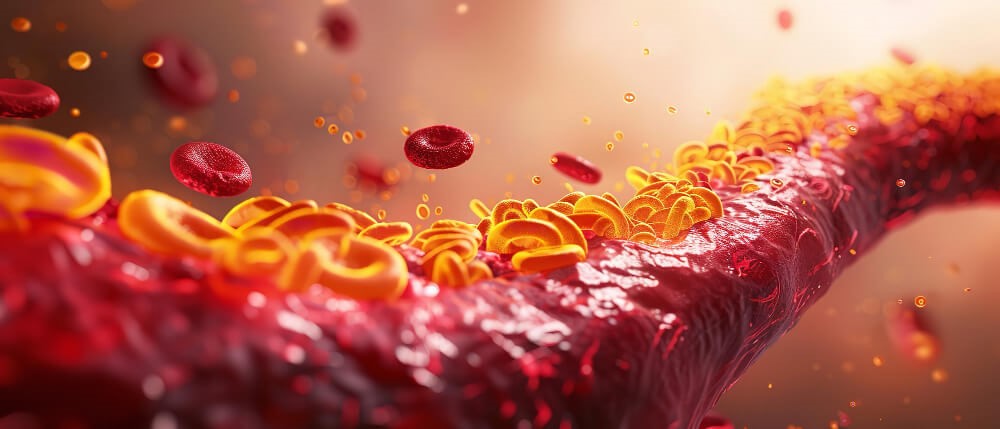
Across the types, skin xanthomas are most often a visible clue to raised blood lipids, high cholesterol or triglycerides, which is why they so often prompt a doctor to check the lipid profile. Some forms point to specific or inherited disorders: tendinous xanthomas are a classic sign of familial hypercholesterolemia, and eruptive xanthomas can flag dangerously high triglycerides that need urgent management.
Beyond lipids, several other conditions can produce or contribute to skin xanthomas, including diabetes, an underactive thyroid, liver conditions such as cholestasis or primary biliary cholangitis, kidney disorders like nephrotic syndrome, and occasionally certain medications. Because the underlying causes can be significant, and because some carry cardiovascular or other health risks, skin xanthomas generally warrant medical assessment. The deposits are the visible part; the more important question is what is happening in the bloodstream behind them, and that is something only a doctor can properly evaluate.
How Skin Xanthomas Are Diagnosed and Managed
A doctor can usually recognise xanthomas from their appearance, location, and your medical history, particularly any family history of lipid disorders or early heart disease. To get to the cause, the cornerstone is a blood test, a full lipid profile measuring cholesterol and triglycerides, sometimes alongside liver function tests, thyroid tests, blood sugar, or genetic testing where an inherited disorder is suspected. Occasionally a skin biopsy or imaging is used to confirm the diagnosis.
Management focuses on the underlying cause rather than the appearance of the deposits. That typically means lipid-lowering treatment such as statins or fibrates where appropriate, prescribed by your doctor, alongside dietary changes, regular exercise, weight management, and not smoking. Bringing the underlying lipid disorder under control protects your cardiovascular health and, over time, can sometimes reduce the deposits themselves. This is a doctor-led, long-term process, and managing the root cause is what matters most, both for your health and for limiting further xanthomas.

If You Were Looking for the Eyelid Type
Many people reach a page about skin xanthomas after searching broadly when what they actually have is the eyelid form, the soft yellow patches known as xanthelasma. If that is your situation, it is generally far simpler than the body-wide types described here. Eyelid xanthelasma is usually a straightforward cosmetic concern rather than a sign of a serious inherited disorder, although a cholesterol check is still worthwhile.

If the eyelid marks are your concern, you can read about them on our xanthelasma overview, learn what causes them, or see what xanthelasma looks like to confirm that is what you are dealing with. For xanthomas elsewhere on the body, however, a doctor’s assessment is the right first step, because of what they can signal.

Skin Xanthomas: The Bottom Line
Skin xanthomas are benign cholesterol deposits that can appear in many places on the body, and they come in several types, eyelid (xanthelasma), tuberous, eruptive, plane, and tendinous, each pointing to slightly different underlying concerns. What they share is that they are usually a visible clue to raised blood lipids or another metabolic condition, which is why most warrant a doctor’s assessment and a lipid check rather than a cosmetic fix.
If your concern turns out to be the common eyelid plaques, xanthelasma, that is a much simpler, cosmetic matter, and you can start with our xanthelasma overview or the broader picture on xanthomas. For deposits elsewhere on the body, please see your doctor.

Common Questions About Skin Xanthomas
Are skin xanthomas dangerous?
The deposits themselves are benign and not cancerous. Their significance lies in what they signal, since most are a visible clue to raised blood lipids or another metabolic condition, some of which carry cardiovascular or other health risks. That is why skin xanthomas generally warrant a doctor’s assessment and a lipid check.
What are the different types of skin xanthoma?
The main types are xanthelasma (on the eyelids), tuberous xanthomas (over the elbows, knees, or knuckles), eruptive xanthomas (sudden crops of small bumps), plane xanthomas (flat, broad patches), and tendinous xanthomas (on tendons such as the Achilles). Each is associated with slightly different underlying lipid or metabolic concerns.
What do skin xanthomas indicate?
Most often, raised blood lipids, high cholesterol or triglycerides. Some types point to specific conditions: tendinous xanthomas to inherited high cholesterol, eruptive xanthomas to very high triglycerides. They can also relate to diabetes, thyroid, liver, or kidney conditions. A doctor’s lipid work-up identifies the specific cause.
Are skin xanthomas the same as eyelid xanthelasma?
Xanthelasma is one type of skin xanthoma, the eyelid form, and it is usually a simple cosmetic concern. Other skin xanthomas appear elsewhere on the body and more often signal a significant underlying lipid disorder. So they are related but managed differently, and a cosmetic cream is only relevant to the eyelid form.
Can skin xanthomas be removed with a cream?
A cosmetic cream is intended for the eyelid form, xanthelasma. Skin xanthomas elsewhere on the body are tied to underlying lipid disorders and are a medical matter, needing assessment and management of the cause rather than a cosmetic product. Any removal of the deposits themselves is a secondary matter for your medical team.
Will skin xanthomas go away if I lower my cholesterol?
Managing the underlying lipid disorder is the priority and protects your wider health, and over time bringing blood fats under control can sometimes reduce the deposits. This is a doctor-led, long-term process, though, and the focus is on treating the underlying condition rather than the appearance of the deposits.
What should I do if I notice skin xanthomas?
See a doctor for an assessment. Because skin xanthomas usually signal an underlying lipid or metabolic condition, getting your blood fats checked and the deposits evaluated is more important than their appearance. Early diagnosis and management of the underlying cause genuinely improve long-term health.
Skin xanthomas can indicate an underlying lipid or metabolic disorder, so they should be assessed by a doctor, who can arrange the right tests and guide your care. This page is for general information and is not a substitute for medical advice.