
Xanthoma Eyelid
When a Xanthoma Appears on the Eyelid, It Is Xanthelasma, Here Is What to Know
A xanthoma on the eyelid is the specific type called xanthelasma. This page clears up the naming, explains what the yellow eyelid deposits are, what they signal, and how to remove them at home.
By Xanthelasma.com
Eyelid Xanthoma and Xanthelasma: The Same Thing
If you have searched for “xanthoma eyelid,” here is the first useful thing to know: a xanthoma that appears on the eyelid has a specific name, xanthelasma (or more fully, xanthelasma palpebrarum). Xanthoma is the umbrella term for cholesterol deposits that can form in various places on the body; when they form on the eyelids, they are called xanthelasma. So if you are looking at soft yellow patches on your eyelids, xanthelasma is what you have, and it is the most common and most straightforward type of xanthoma.
That naming matters because the eyelid type is generally a simple cosmetic concern, unlike some other xanthomas that can signal more serious lipid disorders. The eyelid deposits are harmless, painless, and do not affect vision. They will not fade on their own, but they can be removed without a clinic. Xanthel ® is a cosmetic skincare cream formulated to remove xanthelasma plaques at home. The rest of this page focuses on the eyelid form specifically. Our overview of what xanthelasma is covers the basics, and xanthomas explains the wider family.

What an Eyelid Xanthoma Looks Like
The eyelid deposits are fairly easy to recognise. They appear as soft, yellowish plaques, sometimes creamy, sometimes a deeper gold, taking their colour from the cholesterol beneath the skin. They sit most often near the inner corner of the upper and lower eyelids, and frequently appear symmetrically on both eyes. The texture is soft and velvety to firm, and they sit flat or slightly raised with well-defined edges.
In size they range from small spots to larger patches, and they tend to grow slowly or multiply over time rather than staying fixed. This appearance helps distinguish them from other eyelid bumps such as milia (small white cysts), syringomas, or skin tags, which look and feel different. If your marks match the soft, yellow, symmetrical pattern, an eyelid xanthoma (xanthelasma) is very likely what you have, and a doctor can confirm it on sight. Our page on what xanthelasma looks like goes deeper into identification.

What Eyelid Xanthomas Can Signal
Because the deposits are made of cholesterol, an eyelid xanthoma can occasionally be an outward sign of the fats in your blood. Around half of people with xanthelasma have an underlying lipid issue such as raised cholesterol, while the other half have completely normal levels, so the marks do not automatically mean a problem. Where they do reflect raised lipids, that matters because high cholesterol is a risk factor for heart disease.
This is why an eyelid xanthoma, while cosmetically harmless, is worth a simple check. A lipid blood test from your doctor settles whether cholesterol is involved, and they may also check thyroid function and blood sugar, since an underactive thyroid and diabetes can contribute. If something is raised, you have caught it early; if not, the marks are purely cosmetic. Keep the two sides separate, though: the underlying health side is your doctor’s job, and the visible deposit is a cosmetic matter you can address on its own. Our guide to the causes of xanthelasma covers the links in more depth.

Why Eyelid Xanthomas Form
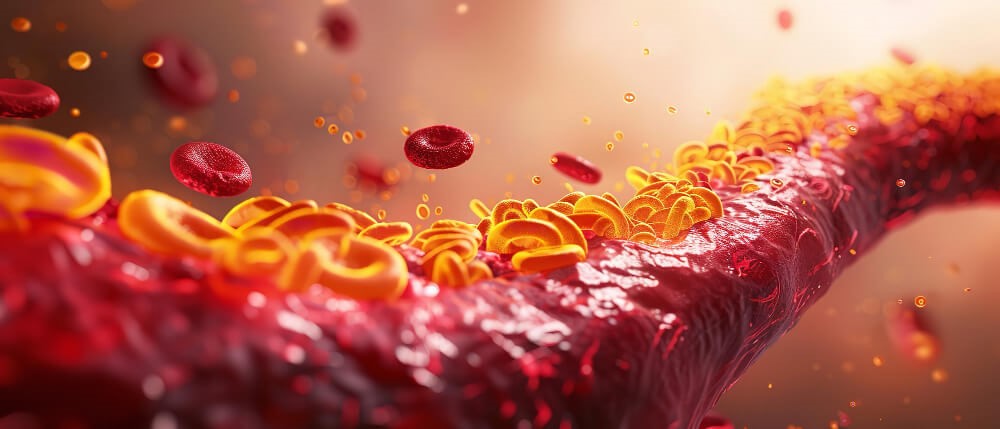
The deposits form when cholesterol-rich material collects under the thin eyelid skin, taken up by cells that become engorged with fat and cluster into the visible plaques. Several things influence whether this happens to you: genetics play a large role, since the tendency often runs in families and can appear even with normal cholesterol, and raised blood lipids, an underactive thyroid, diabetes, and liver conditions can all contribute. Age, being female, and lifestyle factors like a high-saturated-fat diet, weight, and smoking add to the likelihood.
The honest takeaway is that many of these factors are outside your control, so developing an eyelid xanthoma is rarely about anything you did wrong. It also explains why eating better will not simply dissolve the marks already there, lifestyle changes help prevent new ones but seldom clear existing plaques. Our page on why you might have got xanthelasma explores the personal-risk angle.
Removing an Eyelid Xanthoma
Since the deposits will not fade on their own and tend to grow over time, most people who are bothered by the look choose to remove them. The clinic routes, surgical excision, laser, cryotherapy, and electrosurgery, can work but tend to be expensive, may need repeat sessions, and carry a risk of scarring or pigment changes on the delicate eyelid skin.
The least invasive route is an at-home cosmetic cream. Xanthel ® is a cosmetic skincare cream formulated to remove xanthelasma plaques at home, without the cutting, downtime, or clinic bill, and for most people weighing convenience and cost it is the natural place to start. You can compare the routes in our full range of removal options. One thing worth avoiding is improvised home remedies like garlic or vinegar near the eyes, which lack evidence and can irritate or burn the delicate skin. Whatever you choose, pairing removal with managing any underlying cause helps keep new deposits from forming.

Eyelid Xanthoma: The Short Version
An eyelid xanthoma is xanthelasma, the most common and most straightforward type of cholesterol deposit, appearing as harmless soft yellow patches on the eyelids. It can occasionally flag raised cholesterol, thyroid changes, or diabetes, so a quick check with your doctor is worthwhile, but for most people it is simply a cosmetic concern. It will not fade on its own, yet it can be cleared without surgery.
If you would rather avoid surgery, laser, or freezing, it is worth looking at the at-home removal option made specifically for the eyelid form. You can also read about xanthelasma palpebrarum, the full medical name, or what causes xanthelasma for more before deciding.

Common Questions About Eyelid Xanthomas
Is an eyelid xanthoma the same as xanthelasma?
Yes. Xanthoma is the umbrella term for cholesterol deposits anywhere on the body, and when they form on the eyelids they are specifically called xanthelasma (or xanthelasma palpebrarum). So an eyelid xanthoma and xanthelasma are the same thing, and it is the most common type of xanthoma.
Is an eyelid xanthoma dangerous?
The deposit itself is benign and painless, and it does not affect vision. What matters is what it can occasionally signal, since it is sometimes linked to raised cholesterol, thyroid issues, or diabetes. A simple check with your doctor rules that out, after which the deposit is a purely cosmetic matter.
Does an eyelid xanthoma mean I have high cholesterol?
Not necessarily. Around half of people with eyelid xanthomas have normal cholesterol, since genetics play a large role. It is still worth a lipid test to check, because catching raised cholesterol early benefits your heart, but the marks alone do not confirm a cholesterol problem.
Can an eyelid xanthoma be removed at home?
Yes. Xanthel ® is a cosmetic skincare cream formulated to remove xanthelasma plaques at home, designed as an alternative to surgery, laser, or freezing, without the cost, scarring risk, or downtime of a clinic procedure. For many people it is the simplest and most affordable way to clear the eyelid deposits.
Will an eyelid xanthoma go away on its own?
Almost never. Left alone, eyelid xanthomas tend to persist and often slowly grow or multiply over time rather than fading. Improving your diet may help prevent new ones but rarely clears existing marks, so most people who want them gone choose to remove them directly.
Are eyelid xanthomas different from other xanthomas?
In how they are approached, yes. They share the cholesterol-deposit nature of the family, but the eyelid type is the most common and is usually a simple cosmetic concern, whereas some other types, like tendon or eruptive xanthomas, more often signal underlying lipid disorders that need medical attention. The eyelid form is also the one with a simple at-home removal option.
Will an eyelid xanthoma come back after removal?
It can, particularly if an underlying cause like raised cholesterol is left unmanaged. That is why the best approach combines removing the visible deposit with managing any underlying factor through your doctor, which reduces the chance of new marks forming.
Should I see a doctor about an eyelid xanthoma?
Yes, one visit is worthwhile. A doctor can confirm it is xanthelasma and run a simple lipid test, plus check thyroid or blood sugar if relevant, to rule out any underlying cause. Once you have that reassurance, the deposit is a cosmetic matter you can address separately, including at home.
Xanthel ® is a cosmetic skincare product, not a medical treatment. Because an eyelid xanthoma (xanthelasma) can sometimes sit alongside lipid, thyroid, or cardiovascular factors, it is worth discussing with your doctor, who can give you the full picture of your health to pair with any cosmetic approach.