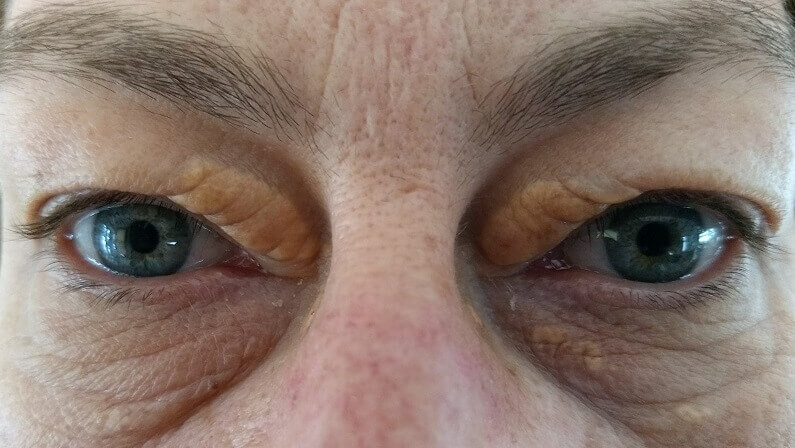
Wondering What Xanthelasma Are?
Xanthelasma is a medical condition that manifests as yellowish growths on or near your eyelids. These growths, composed primarily of cholesterol deposits, can vary in texture and appearance, presenting as flat or slightly raised patches on the skin. They are not painful and generally considered benign, but their presence could be indicative of more systemic health issues, specifically concerning your cardiovascular system.
Understanding Xanthelasma
– Definition: Xanthelasma is classified as a form of xanthoma, which is essentially a deposit of fatty materials under the surface of your skin.
– Appearance: It typically appears as soft, chalky, or semi-solid yellowish bumps around the eyelids. The size of these bumps can vary greatly.
– Cause: The underlying cause is usually a lipid disorder, where cholesterol deposits accumulate beneath the skin’s surface.
– Symptoms: The primary physical symptom is the visible growth itself. However, there are usually no physical discomforts such as pain or itchiness associated with Xanthelasma.
– Potential Indicators: While Xanthelasma itself is harmless, it can be a sign of underlying heart disease. It’s advisable to consult with a healthcare provider for a thorough evaluation of your cardiovascular health.
The Prevalence and Demographics
– Who is Affected?: Xanthelasma can occur in any individual, but it is more commonly seen in those with a genetic predisposition to cholesterol-related conditions.
– Age Factor: It is more prevalent in the middle-aged and elderly populations, although it can manifest at any age.
– Gender and Ethnicity: There is some evidence to suggest that women and individuals of Asian or Mediterranean descent may be at a higher risk of developing Xanthelasma.
Treatment Options
– Surgical Removal: The most definitive treatment for Xanthelasma is surgical excision, where the growths are carefully removed by a skilled surgeon.
– Xanthel ® Removal Cream: Specific removal cream applied to the affected area can help shrivel and remove the cholesterol deposits.
– Cryotherapy: A treatment that uses extreme cold to freeze and remove the growths.
– Electrodesiccation: A procedure that utilizes electrical currents to remove the excess cholesterol.
– Recurrence and Maintenance: Even after effective treatment, Xanthelasma may reoccur, especially with electrodesiccation. It is crucial to monitor your cholesterol levels and cardiovascular health to prevent future growths and potential health complications.
– Health Monitoring: Following removal, it’s imperative to have regular check-ups with your healthcare provider to monitor your cholesterol levels and ensure overall health and well-being.
Remember, the appearance of Xanthelasma should prompt an evaluation of your overall health, particularly your cardiovascular system. Early intervention and treatment can help manage the condition and prevent potential health issues related to high cholesterol.

The Appearance of Xanthelasma
You may not always notice xanthelasma at first, as it can gradually develop on your skin. Understanding its appearances and characteristics is important, particularly since they’re often linked with underlying health issues.
Identifying Features of Xanthelasma
– Color: The most defining feature of xanthelasma is its color. Look for distinct yellowish patches around your eyelids. This coloring is due to the accumulation of cholesterol beneath the skin.
– Texture: These patches can present with variability in their texture. You might find them to be either smooth or somewhat bumpy to the touch.
– Shape and Size: Xanthelasma appears in different shapes and sizes; they do not have a uniform appearance. Their shape might be irregular, and while some remain fairly small, others can become more conspicuous over time.
– Consistency: Some people describe xanthelasma as being soft, whereas others may find them to be firm.
– Discomfort: Though generally not painful, xanthelasma may cause discomfort for some. This is especially true if the growths are substantial enough to interfere with blinking or your usual eyelid movement.
It is important to note that while xanthelasma is not harmful in itself, its presence can indicate higher cholesterol levels, which may require further investigation by a healthcare professional.
Common Areas for Xanthelasma Formation
– Upper Eyelids: Xanthelasma often develops in the upper eyelids, close to the nose. These areas tend to have softer skin, making it seemingly more prone to such growths.
– Lower Eyelids: Although less common than on the upper eyelids, xanthelasma can also occur on the lower eyelids. Make sure to check both the upper and lower regions during self-examinations.
– Near Tear Ducts: Sometimes, xanthelasma may appear closer to the tear ducts or inner corners of your eyes.
– Symmetry: You might observe these yellow plaques symmetrically on both sides of the face, but that’s not a rule. It’s possible to have xanthelasma on just one eyelid or distributed unevenly.
Due to its potential association with conditions like diabetes and high cholesterol, it’s advisable for you to consult a healthcare provider if you notice the emergence of xanthelasma on your eyelids. They may recommend cholesterol testing or other examinations to determine the underlying cause and discuss potential lifestyle changes or treatments to address those risks. Regular checks by a specialist like an ophthalmologist or dermatologist can also provide peace of mind and ensure any related health issues are managed properly.

Causes of Xanthelasma
While you may find the yellowish patches of xanthelasma on your eyelids somewhat disconcerting, understanding the potential causes can help demystify these benign growths. In your case, there may be several factors contributing to the development of xanthelasma that might warrant closer attention to your overall health.
Factors Contributing to Xanthelasma Development
– Hereditary Cholesterol Issues: A notable risk factor for xanthelasma is genetically influenced high cholesterol levels. If your family has a history of high cholesterol, you’re more likely to develop these growths.
– Age: Individuals between the ages of 35 and 55 are more commonly affected by xanthelasma. It’s important to be aware of this increased risk as you age.
– Diabetes: As a diabetic, your risk of developing xanthelasma increases. Diabetes can contribute to the disturbances in fat metabolism that lead to the buildup of cholesterol deposits under the skin.
– Obesity and Weight Gain: If you’re experiencing weight gain, particularly obesity, you’re at a higher risk for xanthelasma due to the potential for increased cholesterol levels.
– Feeding Habits: Your diet plays a crucial role in managing cholesterol levels. A diet high in saturated fats can contribute to the formation of xanthelasma.
– Liver Function: Any disturbances in liver function may impact your body’s ability to process cholesterol effectively, which could increase your risk of xanthelasma.
– Alcohol Consumption: Heavy alcohol use can affect both liver function and cholesterol levels, potentially leading to the development of xanthelasma.
– Metabolic Syndrome: This cluster of conditions, which includes high blood pressure, high blood sugar, excess body fat around the waist, and abnormal cholesterol or triglyceride levels, can significantly increase your risk.
Monitoring these risk factors and maintaining regular check-ups can help you manage your health and potentially prevent the onset of xanthelasma. If you already have xanthelasma, your healthcare provider might explore these aspects of your health in more detail to treat the condition effectively.
The Role of Cholesterol in Xanthelasma
– Dyslipidemia: Dyslipidemia is an imbalance of lipids in the blood, which can lead to high cholesterol, a primary factor associated with xanthelasma. These imbalances can cause cholesterol to be deposited under the skin.
– LDL Cholesterol: Low-density lipoprotein (LDL), often termed ‘bad cholesterol,’ is particularly implicated in the formation of xanthelasma. Elevated LDL levels in the blood could drive the appearance of these yellow patches.
– HDL Cholesterol: High-density lipoprotein (HDL), or ‘good cholesterol,’ typically helps remove cholesterol from the bloodstream. However, if your HDL levels are low, it may not effectively carry cholesterol away, contributing to xanthelasma.
– Cholesterol Deposits: Xanthelasma consists of cholesterol deposits under the skin. Even if you have normal cholesterol levels, local factors can lead to these particular deposits around your eyes.
– Lipid Profile Testing: Given the association with cholesterol, lipid profile testing is often recommended when xanthelasma is diagnosed. It’s an objective measure that can help reveal whether a lipid disorder is present.
To mitigate potential health risks linked with xanthelasma, adopting a healthy lifestyle is key. This includes a balanced diet, regular exercise, and avoiding smoking. Also, if diagnosed with high cholesterol or other related conditions, following through with prescribed medications and treatments is essential. Your commitment to these efforts plays a significant role in preventing and managing xanthelasma, as well as in supporting your overall well-being.

Health Implications of Xanthelasma
Xanthelasma may not pose an immediate threat to your skin’s health, but its appearance can be a visual marker for underlying conditions that might require medical attention. If you have noticed these yellowish skin deposits around your eyelids, it is essential to understand the potential health implications they may signify.
Xanthelasma and Heart Health
– Cholesterol Levels: Since xanthelasma is mainly constituted of cholesterol, its presence can be indicative of elevated cholesterol levels in your body, which is a risk factor for heart disease.
– Cardiovascular Risk: The correlation between xanthelasma and cardiovascular health is significant. These cholesterol deposits could be a sign of existing high lipid levels that could increase your risk for developing heart-related conditions, such as atherosclerosis (hardening of the arteries).
– Monitoring: Regular monitoring of your cholesterol through blood tests can provide insight into your cardiovascular health. If you have xanthelasma, it’s advisable to keep track of these levels and follow any recommended treatment plans by your healthcare provider.
– Lifestyle Modifications: You may benefit from lifestyle changes that can improve both xanthelasma and your overall heart health. This includes dietary adjustments, increasing physical activity, and maintaining a healthy weight. If you are a smoker, quitting smoking is also crucial for protecting your heart health.
– Treatment: While managing xanthelasma includes various removal methods, addressing the underlying cholesterol problems is vital. Your healthcare provider might discuss the use of statins or other medications as part of your treatment plan to manage high cholesterol and reduce cardiovascular risks.
When to Consult a Doctor
– Early Detection: If you discover yellow patches around your eyes, it’s a good idea to reach out to your doctor for an assessment. Early detection of these signs can lead to quicker management of any associated health risk.
– Additional Symptoms: Be vigilant about related symptoms that could accompany elevated cholesterol levels or heart disease, such as chest pain, shortness of breath, or unusual fatigue. Such symptoms warrant urgent medical investigation.
– Healthcare Guidance: A healthcare provider can give you personalized advice on how to manage xanthelasma and its associated health risks. An evaluation may include a physical exam, blood tests, and potentially imaging studies to assess your vascular health.
– Follow-Up: After initial treatments or lifestyle recommendations, follow-up visits are essential. These regular check-ins help monitor the effectiveness of the interventions and allow for adjustments, ensuring optimal management of your condition.
– Specialists Referral: Depending on the findings and the complexity of your condition, your primary care doctor may refer you to a specialist, such as a cardiologist or endocrinologist, for more focused care.
Remember, xanthelasma itself may seem innocuous, but it should prompt you to take your skin and overall health seriously. Stay proactive about your health, and seek your doctor’s advice to address these issues and avert any potential long-term complications.

Diagnosis of Xanthelasma
When you observe yellowish growths on or around your eyelids, they may very well be xanthelasma. This condition, characterized by the presence of yellow plaques, is typically a benign issue that affects the skin but could indicate more significant health concerns. To determine whether these skin changes are indeed xanthelasma and to assess any possible health implications, a proper diagnosis is key.
Methods for Diagnosing Xanthelasma
Upon noticing changes to the skin around your eyelids, you should consult your healthcare provider for a comprehensive evaluation. Here’s how xanthelasma is typically identified:
– Visual Examination: Your healthcare provider can diagnose xanthelasma through a simple visual inspection of the affected areas around your eyelids.
– Medical History: A thorough review of your medical history can provide insights into potential causes or associated conditions, such as hyperlipidemia or thyroid disease.
– Physical Presence of Lesions: Xanthelasma can manifest as one or multiple lesions, and they might present symmetrically across your eyelids.
– No Specialized Testing Needed: Typically, no special tests are required to confirm xanthelasma. However, recognising it may prompt further examinations for underlying issues.
The Importance of Accurate Diagnosis
While xanthelasma itself is not hazardous, the condition could be indicative of systemic health concerns that need to be addressed:
– Cholesterol Check: Given that xanthelasma is a deposit of cholesterol, your healthcare provider may recommend a blood test to check for high cholesterol levels — a potential contributor to cardiovascular diseases.
– Thyroid Function Test: If a thyroid problem is suspected as an underlying cause, a test to examine thyroid function may be indicated.
– Confirmation and Follow-Up: Confirming that the yellow plaques are xanthelasma helps ensure that similar-looking conditions are not mistaken for it. Your provider might also schedule follow-up appointments to monitor your condition and any associated health parameters over time.
– Specialist Referral: Should your test results reveal anomalies, or if the xanthelasma is extensive, you may be referred to a specialist for advanced care.
If you’ve detected possible xanthelasma lesions, a proactive approach involving professional diagnosis and potential lifestyle adjustments is essential. Seeking a timely assessment from your healthcare provider can not only validate the condition of xanthelasma but also facilitate the management of any related health risks it may signify. Remember, xanthelasma offers a window to your broader health and should thus be neither ignored nor underrated.
Treatment Options for Xanthelasma
When dealing with xanthelasma, you have several treatment options available. These methods range from non-invasive approaches to surgical interventions. It’s important to discuss each option thoroughly with your healthcare provider to determine the most suitable treatment for your specific condition.
Non-Invasive Treatments for Xanthelasma
– Xanthel ® removal cream: At home treatment, with just one application needed to shrivel and remove xanthelasma. This specfic removal cream is formulated to target cholesterol deposits.
– Cryotherapy: Utilizing extreme cold, liquid nitrogen cryotherapy is a common non-invasive treatment. It works by freezing the cholesterol deposits, leading to their gradual removal from the skin.
– Laser Therapy: Specific types of lasers can be effective in removing xanthelasma. Laser surgery minimizes damage to surrounding tissues and promotes a faster healing process, but regrowth of the plaques is a well documented issue with the treatment.
– Lifestyle Modifications: Coupled with medical treatments, lifestyle changes play a crucial role. Adjusting your diet to lower cholesterol levels, incorporating regular exercise, and avoiding smoking are proactive steps you can take.
– Medication: If you have high cholesterol levels, your doctor may prescribe medications such as statins to help reduce your lipid levels and prevent the growth or recurrence of xanthelasma.
Following any non-invasive treatment, it’s important to have routine check-ups to monitor the treatment’s effectiveness and to screen for any possible reoccurrence of xanthelasma.
Surgical Interventions for Xanthelasma Removal
– Surgical Excision: For larger xanthelasma deposits, surgical removal may be necessary. This procedure involves cutting and removing the deposits from the skin under local anesthesia.
– Electrodessication: This process utilizes controlled electrical current to burn away the cholesterol deposits, which can then be scraped off the skin.
– Radiofrequency Ablation: Similar to electrodessication, this method uses radio waves to heat and dissolve the fatty cholesterol deposits. Radiofrequency ablation may require stitches afterward to close the wound.
– Recovery and Care: If surgical removal is your chosen course of action, follow your surgeon’s aftercare instructions closely. This will likely include keeping the area clean, applying any prescribed ointments, and possibly returning for suture removal if necessary.
Remember, each treatment for xanthelasma carries its own set of benefits and risks. Factors such as the size, location, and number of your xanthelasma, along with your overall health, will play a role in determining the right treatment approach for you. Engaging in an ongoing dialogue with your healthcare professional ensures you receive the treatment best suited to your condition while minimizing the likelihood of recurrence.

Prevention and Management
Lifestyle Changes to Prevent Xanthelasma
To minimize your risk of developing xanthelasma, you may adopt certain lifestyle alterations:
– Monitor Dietary Intake: Your diet plays a pivotal role in managing cholesterol levels. It’s crucial to consume a heart-healthy diet rich in fruits, vegetables, whole grains, and lean proteins. Avoiding foods high in saturated fats, trans fats, and dietary cholesterol can keep your lipid profile in check.
– Exercise Regularly: Aim for at least 30 minutes of moderate aerobic activity most days of the week. Regular physical activity can help manage weight, lower cholesterol levels, and improve overall heart health.
– Quit Tobacco Use: Tobacco products can increase cholesterol levels and damage blood vessels, making quitting an impactful step in preventing xanthelasma.
– Maintain a Healthy Weight: Achieving and maintaining a weight that’s healthy for you can reduce the risk of high cholesterol and xanthelasma. Even modest weight loss can have a significant impact on reducing lipid levels.
– Diabetes and Hypertension Control: If you have diabetes or high blood pressure, managing these conditions effectively is key. Follow your healthcare provider’s advice, take medications as prescribed, and monitor your blood pressure and blood sugar levels regularly.
Managing Cholesterol Levels to Reduce Risk
The presence of xanthelasma can often be an indicator of elevated cholesterol levels. To manage your risk, consider the following steps:
– Regular Health Screenings: Regular check-ups with your healthcare provider, including blood tests to monitor your cholesterol levels, are vital. Early detection and treatment of high cholesterol can prevent xanthelasma and more serious health issues.
– Medication Compliance: If you have been prescribed lipid-lowering medications, such as statins, it is imperative to take them as directed. These medications can significantly reduce your risk of xanthelasma by keeping your cholesterol levels in check.
– Follow Professional Guidance: Work with your healthcare provider to create a personalized plan that includes diet, exercise, and medication if necessary. They can provide you with the resources and support needed to effectively manage your cholesterol levels.
– Inform Your Healthcare Provider: If you notice any skin changes around your eyes, inform your healthcare provider immediately. Early treatment can prevent xanthelasmas from becoming larger and more noticeable.
Your proactive measures not only lessen the likelihood of developing xanthelasma but also contribute to your overall cardiovascular health. Educating yourself about the risks associated with high cholesterol and taking steps to manage it are essential in preventing xanthelasma. Remember, you are your own best advocate for health, and making lifestyle changes today can result in a healthier tomorrow.

Living with Xanthelasma
Coping with the Cosmetic Aspect of Xanthelasma
As you navigate through your diagnosis and treatment of xanthelasma, you may find the cosmetic appearance to be a concern. You might feel self-conscious or anxious about the yellow bumps on your eyelids, which is completely understandable. However, there are ways to cope with these feelings while seeking treatment:
– Understanding Xanthelasma: Educating yourself about xanthelasma can alleviate some of the uncertainty and worry. Recognize that these growths are benign and do not pose harm to your vision or overall health.
– Makeup: Makeup can be a valuable tool in concealing xanthelasma. Using concealers that match your skin tone can help camouflage the deposits and boost your confidence. Speak to a makeup consultant who can advise you on suitable products and application techniques.
– Support Groups: Joining support groups, either in person or online, can provide a platform for sharing experiences and coping strategies. Connecting with others who understand what you are going through can be comforting.
– Consult a Dermatologist: A dermatologist might suggest treatments that improve the appearance or even remove individual lesions. Even though this does not stop new ones from forming, it may offer temporary relief from the cosmetic aspect.
It is essential to approach treatment with patience and realistic expectations. While xanthelasma can often be reduced or removed, the process may require time and possibly multiple treatments. Prioritize your mental well-being by focusing on aspects of your appearance and life that you value and enjoy, beyond the presence of xanthelasma.

Understanding Your Xanthelasma Diagnosis
Coping with the Cosmetic Aspect of Xanthelasma
Upon receiving a diagnosis of xanthelasma, you may worry about their appearance. It’s normal to feel self-conscious about these changes to your eyelids, but remember that xanthelasma are benign and do not threaten your vision or health. To address cosmetic concerns:
– Educate Yourself: Learning about xanthelasma helps to ease some of the fears and confusion. Knowledge that these are harmless cholesterol deposits can make them less daunting.
– Cosmetic Solutions: Consider using makeup to conceal the xanthelasma. Select concealers that blend well with your skin to hide the lesions, and seek advice from professional makeup consultants for the best results.
– Seek Support: Connect with support groups or online communities where you can exchange experiences and discover strategies others have found helpful.
– Explore Treatment Options: Consult with a dermatologist about procedures that could reduce the visibility of xanthelasma or remove them entirely with Xanthel ®. Bear in mind that while treatments can be effective, they might not prevent new xanthelasmas from forming.
Patience is key in treating xanthelasma. The condition may need ongoing management, and it’s important to maintain a positive outlook by appreciating other aspects of your life and appearance.

Summarizing Key Points on Xanthelasma
As you adjust to living with xanthelasma, it’s important to note that they are cholesterol deposits under the skin, commonly found around the eyelids. Although harmless, xanthelasma may be indicative of underlying health conditions like hypercholesterolemia or heart disease, hence warranting a medical evaluation.
It’s also essential to consider the available cosmetic solutions to manage the visual impact of the condition, including makeup. To prevent recurrence, maintaining a healthy lifestyle and managing cholesterol levels can be helpful. Stay engaged with your healthcare team to discuss potential lifestyle adjustments or medical interventions that could beneficially influence your condition.
Final Thoughts and Recommendations
Managing xanthelasma requires an informed and patient approach. It is advised to:
– Stay Informed: Continue to educate yourself about xanthelasmas and related health concerns.
– Seek Professional Advice: Always consult with qualified healthcare providers for treatment options and follow-up care.
– Consider Cosmetic Options: If the appearance of xanthelasma is a concern, explore cosmetic procedures or makeup techniques with experts.
While xanthelasma may call for ongoing management, remember that your health and well-being encompass much more than this one aspect. It’s important to treat the condition, but also to embrace and enjoy other facets of your life. Stay proactive, be patient, and maintain a supportive network to live comfortably with xanthelasma.