Xanthomata and Its Importance
– Xanthomata are not just cosmetic concerns; they can indicate underlying health issues.
– These lesions are associated with certain metabolic disorders, especially those related to fat (lipid) metabolism.
– Xanthomas are often linked to cholesterol problems, such as hyperlipidemia.
– The appearance and location of xanthomas on your body can provide clues to your physician about your health status.
– Early detection and diagnosis of the cause of xanthomas can lead to better management of potential systemic conditions.
Defining Xanthoma: Origins and Meaning
– The term xanthoma is derived from the Greek word ‘xanthos’ meaning yellow.
– A single lesion is called a xanthoma, while multiple lesions are referred to as xanthomata or xanthomas.
– These yellowish deposits are rich in lipids and can appear anywhere in the body.
– Xanthomata are the hallmark of a condition known as xanthomatosis, which encompasses the presence of xanthomas in various parts of the body.
– The disorder could range from being localized to a single area or widespread, which might necessitate a systemic evaluation.
As a professional in the field, it’s crucial to consider xanthomata beyond their localized presence on the skin. Their appearance could be your first hint that a patient needs further evaluation for systemic diseases. For instance, tendon xanthomas might suggest familial hypercholesterolemia, a genetic disorder of elevated cholesterol levels that could predispose someone to cardiovascular disease.
To offer the appropriate care and treatment, initially focus on the identification and histologic confirmation of these lesions. Following which, work in conjunction with other healthcare specialists to manage the underlying lipid disorders. Dietary modifications, medications to reduce lipid levels, and addressing the root cause of the lipid abnormalities are fundamental steps in treatment strategies.
Furthermore, xanthomas can sometimes resolve when the lipid abnormalities are treated. This requires your careful monitoring of the patient’s progress through regular follow-ups, adjustments in their treatment plan, and offering ongoing support and education about the effects of diet, lifestyle choices, and medication compliance on their overall health and skin condition.
Achieving success in the management of xanthomas often involves a multidisciplinary approach, which emphasizes the role of dermatologists as part of a broader healthcare team. By addressing the visible signs of xanthomas, and concurrently managing the systemic implications, you can significantly improve patient outcomes and quality of life.

Types of Xanthomata
Classification of Xanthomata
– Xanthelasma: This form appears as a sharply demarcated yellowish collection of cholesterol underneath the skin, often located on or around the eyelids.

– Tendinous Xanthomas: These are typically found on tendons, especially the Achilles tendon.
– Eruptive Xanthomas: Characterized by small, yellowish-orange to reddish-brown bumps encircled by a reddish halo, often appearing on the buttocks, shoulders, arms, or legs.
– Tuberoeruptive Xanthomas: Larger lesions similar to eruptive xanthomas usually found over the joints, such as elbows and knees.
– Plane Xanthomas: Flat or slightly elevated yellowish patches that can occur anywhere on the body.
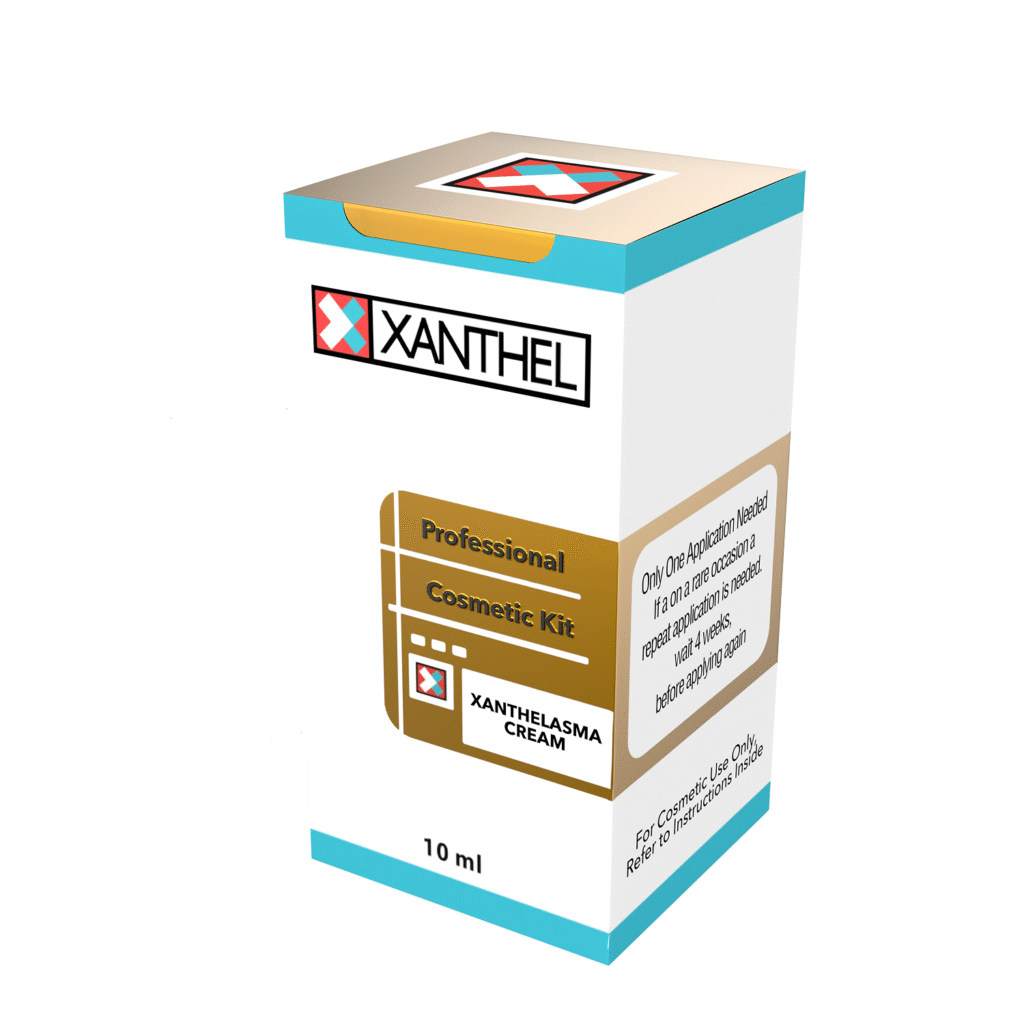
It is crucial to note that xanthomas are manifestations of lipid disorders where lipids accumulate in large foam cells within the skin. These disorders can be hereditary or acquired and often are a sign of underlying medical conditions, such as hyperlipidemia, diabetes, or liver disease. The diagnosis is generally made through physical examination and histological analysis, where the presence of cholesterol clefts within the lesion confirms xanthoma. Treatment involves managing the underlying lipid disorder and, in some cases, surgical removal or Xanthel ® removal cream for cosmetic reasons.
Common Locations and Varieties
– Eyelids (Xanthelasma): Often presents as small yellowish plaques that may be soft to the touch.
– Tendons (Tendinous Xanthomas): These lesions tend to develop in the tendons of the hands, feet, and heels.
– Buttocks, Shoulders, Arms, Legs (Eruptive Xanthomas): The sudden appearance of multiple, itchy, reddish-yellow bumps indicates a severe lipid metabolism disorder.
– Elbows and Knees (Tuberoeruptive Xanthomas): These nodules tend to merge and spread over bony areas.
– Anywhere on the body (Plane Xanthomas): Can be associated with broad systemic conditions and may indicate a serious underlying health issue.
As someone who may be concerned about the appearance of these types of growths, you must consult with a healthcare professional who can provide a definitive diagnosis and appropriate management plan. Lifestyle changes including diet alteration, regular exercise, and medication to control cholesterol levels might be recommended. Monitoring by specialists such as dermatologists, endocrinologists, or cardiologists may also be necessary to prevent complications associated with the lipid disorder causing your xanthomas.

Causes and Risk Factors of Xanthomata
Factors Leading to the Development of Xanthomata
As you explore the causes behind xanthomata, it’s important to understand the factors that may contribute to their development. Xanthomas are not merely cosmetic concerns; they are clinical markers for underlying physiological conditions, primarily disorders of lipid metabolism. Here are several factors that could be responsible:
– Genetic Predisposition: A significant risk factor for xanthomata is heredity. Familial hypercholesterolemia, for instance, is an inherited disorder that can result in high levels of low-density lipoprotein (LDL) cholesterol, leading to xanthomata.
– Elevated Blood Lipids: High levels of fats in the blood, including cholesterol and triglycerides, are primary causes of xanthomas. These elevations can occur due to a poor diet, obesity, or metabolic disorders.
– Metabolic Conditions: Diabetes mellitus is associated with an increased risk of developing xanthomas. Insulin resistance alters lipid metabolism which can lead to the accumulation of lipids in the skin.

– Liver Disease: Liver dysfunctions, such as biliary cirrhosis, can cause abnormal lipid profiles and subsequent xanthoma formation.
– Hypothyroidism: Low thyroid hormone levels can lead to elevated blood lipids and may be a contributing factor.
– Certain Medications: Use of medications like isotretinoin, used for acne, or immunosuppressants can alter lipid levels and lead to xanthomata.
– Diet and Lifestyle: Your diet and activity level can also play a role. Consumption of high-fat foods or leading a sedentary lifestyle can contribute to hyperlipidemia and in turn, to xanthomas.
If you’re noticing growths on your skin that resemble xanthomas, it’s crucial to be evaluated by a healthcare professional to determine if you have an underlying disorder that requires treatment.
The Link Between Lipid Disorders and Xanthomata
Understanding the connection between lipid disorders and xanthomata provides insight into both the cause of these lesions and the importance of their management.
– Cholesterol and Triglycerides: Xanthomas are most commonly associated with high levels of cholesterol and triglycerides in the blood. They are indicators that lipids are not being processed correctly by your body.
– Foam Cells: Lipid disorders lead to the accumulation of fats in the skin, forming foam cells. These cells are the foundation of xanthomas, giving them their characteristic appearance.
– Prognostic Value: The presence of xanthomas can signify severe lipid abnormalities, which may also predispose you to cardiovascular diseases.
– Secondary Conditions: Sometimes, xanthomas may develop secondary to other conditions which themselves cause lipid metabolism dysfunction, such as pancreatitis or hypothyroidism.
The treatment for xanthomata focuses on addressing the underlying lipid disorder—often involving a multipronged approach of dietary changes, regular physical activity, and medication. Reducing the blood lipid levels is paramount not only to potentially reduce the size of existing xanthomas but also to prevent the appearance of new ones and to reduce the risk of vascular diseases.
If you have xanthomas, work closely with your healthcare provider to monitor your condition and adhere to the recommended treatment plan to manage your blood lipid levels effectively. Your proactive involvement in your health care is essential in managing risk factors and underlying causes of xanthomata.

Symptoms and Identification of Xanthomata
Recognizing the Characteristics of Xanthomata
– Appearance: Xanthomata typically exhibit a distinct yellowish color due to the accumulation of lipid-rich material.
– Texture: These lesions can be soft or firm to the touch, depending on their location and the depth of lipid deposits.
– Shape: They may appear as small bumps, plaques, or larger nodules, with the shape varying by the type of xanthoma.

– Size: Xanthomata can range in size from very small spots only a few millimeters across to larger nodules that may be several centimeters in diameter.
To accurately identify xanthomata, you should look for lesions that persist over time and do not resolve on their own. In certain cases, xanthomas may become itchy or uncomfortable, especially if they are eruptive xanthomas. If you have a known lipid disorder, are experiencing signs of diabetes, liver disease, or have a family history of similar symptoms, these lesions could be a manifestation of your condition.
When to Seek Medical Advice for Yellowish Skin Lesions
– Persistence and Growth: If you notice persistent yellowish lesions on your skin, or if they are growing or spreading, it’s essential to consult with your healthcare provider.
– Changes in Sensation: Any alterations in sensation, such as itchiness or tenderness around the lesions, warrant medical evaluation.
– Associated Symptoms: Be aware of other signs indicative of lipid disorders, like changes in vision or chest pain, as these could be related to the underlying cause of your xanthomas.
– Pre-existing Conditions: Individuals with pre-existing health conditions associated with lipid imbalances should pay particular attention to the appearance of xanthoma-like lesions and seek prompt medical advice.
Do not hesitate to seek advice from a dermatologist or your primary care physician if you have concerns about lesions that may resemble xanthomas. Your healthcare provider can conduct necessary assessments, which may include blood tests to measure lipid levels or a biopsy to examine the tissue of the lesion. Timely and accurate diagnosis of xanthomas is vital, as their presence is often linked to systemic health issues that may require lifestyle changes, medication, or other interventions to manage the condition effectively and minimize the risk of further complications.
Xanthomata and Cholesterol
The Relationship Between Xanthomata and Cholesterol Levels
– Cholesterol Deposits: Xanthomata, notably the variant known as xanthelasma, comprise cholesterol-rich deposits beneath your skin. These lesions often indicate elevated blood lipids, including cholesterol and triglycerides.
– Markers of Health: While xanthomata themselves are usually benign, their presence can serve as a physical marker for potential health concerns, particularly relating to your lipid profile.
– Common Associations: A high incidence of these lesions is seen in individuals with lipid metabolism disorders, such as familial hypercholesterolemia, or systemic conditions including diabetes and hypothyroidism.
– Diagnostic Tool: Your healthcare provider might treat xanthomata as a visual cue to conduct further investigations into your cholesterol levels and overall cardiovascular risk.
It is important for you to understand that xanthomata may be more than just a skin condition; they could be a sign of hyperlipidemia, a term denoting elevated levels of fats in the blood. You are advised to monitor not only the appearance of xanthomata but also any other symptoms associated with high cholesterol, such as fatigue, chest pain, or shortness of breath.
How Xanthomata Reflect Underlying Cholesterol Issues
– Visible Indicators: You should consider xanthomata as potentially visible indicators of your underlying cholesterol levels. Specifically, their presence could reflect a chronic condition requiring medical evaluation and ongoing monitoring.
– Treatment Connection: Addressing high cholesterol levels might not only improve your general health but often results in the reduction in size or number of xanthomata. This can be achieved through lifestyle modifications and, if necessary, medication to manage cholesterol.
– Investigative Measures: A biopsy is not only diagnostic but can also offer a gauge for the extent of cholesterol infiltration in the skin. This method establishes the exact nature of the fatty deposits, affirming their association with cholesterol levels.
As xanthomata correlate with cholesterol and lipid anomalies, you should adopt proactive measures in managing your health. A balanced diet, regular physical activity, weight control, and adhering to medical advice can mitigate the effects of high cholesterol, potentially reducing the development of further lesions. Additionally, routine check-ups enable early detection and management of high cholesterol, thus preventing the aggravation of xanthomata and associated health risks.
It is imperative for you, especially if predisposed to lipid disorders, to remain vigilant for signs of xanthomata. Recognizing these symptoms early on and seeking professional medical assistance can significantly contribute to managing your cholesterol levels and safeguarding your cardiovascular health.

Diagnosis and Evaluation
Methods Used in Diagnosing Xanthomata
As you seek medical evaluation for suspected xanthomata, your healthcare provider will likely undertake a few key steps:
– Clinical Examination: The primary method involves a careful examination of your skin. Your doctor will pay special attention to the areas where xanthomata are most commonly found, such as the eyelids (xanthelasma), joints, hands, feet, and tendons.
– Medical History Review: Expect to discuss your personal and family medical history. This can help the provider identify any underlying conditions that could be contributing to the appearance of xanthomata, such as familial hypercholesterolemia.
– Laboratory Tests: Blood tests are crucial for measuring lipid levels – cholesterol, triglycerides, and lipoproteins. Abnormal results can confirm the presence of a lipid disorder associated with xanthomata.
– Genetic Testing: If there’s a family history suggesting a genetic disorder, you might also undergo genetic testing to identify specific condition like familial hyperlipoproteinemia.
Your proactive approach to any skin changes is critical. By understanding the significance of early detection, you not only address the visible symptoms of xanthomata but also the possible underlying health concerns that require medical management.
The Role of Medical Imaging and Biopsies
Beyond preliminary assessment and blood work, further diagnostic procedures may include:
– Ultrasonography: This imaging technique helps to assess the thickness and echogenicity of a xanthoma and can be used to distinguish between different types of lesions.
– Magnetic Resonance Imaging (MRI): In cases where xanthomata are suspected to impact deeper structures, MRI provides detailed images to assess the extent and nature of the lesions.
– Biopsy: In uncertain cases or to rule out other conditions, your doctor may recommend a biopsy. A small sample of the lesion will be taken and examined under a microscope.
Remember, these diagnostic steps are carried out not only to confirm the presence of xanthomata but also to evaluate potential systemic conditions such as cardiovascular diseases, diabetes, and lipid storage disorders. Each finding plays a critical role in guiding the subsequent therapeutic strategy.
Throughout this journey, your health-care provider will become a trusted ally. Whether your treatment involves dietary adjustments, medications to control lipid levels, or even surgical interventions for the xanthomata, your provider will tailor the management plan to your individual needs. Stay informed, ask questions, and participate actively in your health care decisions.
Understanding the nature of xanthomata, diagnosing their underlying causes, and taking appropriate treatment actions are paramount. Xanthomata, beyond being a skin condition, may indicate systemic health concerns. Therefore, be vigilant, and take the first sign of such lesions seriously. Your vigilant actions today can lead to positive health outcomes tomorrow.

Treatment Options for Xanthomata
As you embark on the journey to manage and treat xanthomata, it is essential to be aware of the array of treatment options available to you. Your healthcare provider will devise a personalized treatment plan that may include conventional medical therapies, innovative treatments, and crucial lifestyle changes aimed at addressing both the symptoms and the root causes of the condition. It’s important to discuss the pros and cons of each option with your doctor and to consider your personal preference and medical history when making decisions about treatment.
Conventional Treatments for Xanthomatous Lesions
When you’re diagnosed with xanthomata, a multipronged conventional treatment approach is often recommended:
– Xanthel ®: One time application of formulated solution, that targets the xanthomatous, if it of a cosmnetic concern.
– Medications to Control Lipid Levels: Statins, fibrates, niacin, and other lipid-lowering medications are often the cornerstone of treatment to manage underlying lipid abnormalities.
– Surgical Removal: If xanthomata are large or causing discomfort, surgical options such as excision, cryotherapy, or laser therapy may be considered. This is particularly common for xanthelasmata on the eyelids.
– Catheter-based Therapies: For xanthomata that are associated with vascular issues, such as those affecting the coronary arteries, specialized procedures like angioplasty may be advised.
Consistent follow-ups are critical to ensure your treatment is effective and to make any necessary adjustments. Make sure to keep all appointments with your healthcare provider and to monitor for any new or recurring lesions – these may require additional intervention.
Cutting-edge Therapies and Lifestyle Changes
In addition to traditional treatments, you may also have access to emerging therapies and the integration of lifestyle modifications:
– New Pharmacological Agents: Novel medications, including PCSK9 inhibitors, are on the horizon to offer more potent lipid-lowering effects for patients not responding to typical statin therapy.
– Dietary Adjustments: Dietary changes towards a heart-healthy diet, high in fiber, and low in saturated and trans fats can help reduce lipid levels and prevent the progression of xanthomata.
– Weight Management and Exercise: Maintaining a healthy weight and engaging in regular physical activity can enhance lipid metabolism and improve overall cardiovascular health.
– Smoking Cessation: Smoking is a risk factor for many conditions, including those leading to xanthoma development. Giving up smoking can improve lipid profiles and reduce the risk of complications.
By proactively pursuing these treatment options and lifestyle changes, you can manage the symptoms of xanthomata and address the underlying health issues. Partnering with your healthcare provider, maintaining open communication, and taking an active role in treatment decisions will contribute significantly to the success of your management plan. Remember, you have an array of tools at your disposal to combat xanthomata, bolster your health, and enhance your quality of life.

Managing Lipid Disorders to Prevent Xanthomata
Strategies for Managing High Cholesterol and Triglycerides
As you face the challenges of managing lipid disorders, consider the following multi-faceted strategies that could help prevent the development of xanthomata:
– Understand Your Lipid Panel: Get to know the numbers in your lipid panel. Talk to your healthcare provider about the optimal levels of LDL (bad cholesterol), HDL (good cholesterol), and triglycerides for your specific health scenario.
– Prescribed Medication: If you have been prescribed lipid-lowering medications such as statins, fibrates, niacin, or PCSK9 inhibitors, take them exactly as directed. These medications can help control your cholesterol levels and, in turn, the potential for xanthomata formation.
– Regular Monitoring: Schedule regular follow-up appointments with your healthcare provider to monitor your cholesterol levels and assess the effectiveness of your treatment plan.
– Manage Other Health Conditions: If you have health issues like diabetes, hypertension, or obesity, managing these conditions can positively impact your lipid levels.
Consistent management of your lipid levels is a crucial step towards minimizing the risk of xanthomata. By maintaining a dialogue with your healthcare provider, you ensure that you’re on the right track and can make adjustments to your treatment plan as necessary.
Diet, Exercise, and Medication’s Impact on Xanthomata Prevention
Your lifestyle plays a significant role in managing lipid disorders and thereby preventing xanthomata. Keep these considerations in mind as you navigate your health journey:
– Adopt a Heart-Healthy Diet: Embrace a diet rich in fruits, vegetables, whole grains, and lean proteins. Limit your intake of saturated and trans fats, found commonly in fried foods, baked goods, and processed snacks.
– Incorporate Physical Activity: Regular exercise can help increase your HDL cholesterol and lower LDL cholesterol. Aim for at least 150 minutes of moderate aerobic activity or 75 minutes of vigorous activity each week, plus muscle-strengthening exercises.
– Weight Management: Work towards achieving and maintaining a healthy weight. Excess weight can adversely affect your cholesterol levels, encouraging the development of xanthomata.
– Limit Alcohol and Quit Smoking: Alcoholic beverages can raise the levels of triglycerides in your blood. Smoking cessation will improve your overall lipid profile and vascular health.
– Consider Supplements: Some supplements, such as omega-3 fatty acids, may help manage lipid levels. Always consult with your healthcare provider before adding any supplements to your regimen.
By taking a proactive role in your health, you empower yourself against the risks associated with unmanaged lipid disorders – including the emergence of xanthomata. Tailor your lifestyle to support the control of cholesterol and triglycerides. Engaging in this disciplined approach not only optimizes your general health but also preserves the integrity of your skin. Remember, your healthcare provider is your partner in this endeavor – consistently communicate and adapt your strategies under their guidance for better outcomes.

Understanding and Preventing Xanthomas
Essential Measures to Control Lipid Disorders
Managing your lipid disorders effectively is vital in preventing the occurrence of xanthomas, those yellowish deposits that may form on your skin due to high levels of fats in your bloodstream. To avoid these, keep the following practices in mind:
– Know Your Numbers: Understanding what your lipid panel results mean is critical. Consult with your physician to determine the ideal levels of LDL (low-density lipoprotein), HDL (high-density lipoprotein), and triglycerides for your unique health profile.
– Adherence to Medications: If you have been prescribed medications like statins or fibrates, it is imperative that you follow the prescribed dosage and schedule. These medications are designed to keep your cholesterol in check and reduce the risk of xanthomas.
– Routine Health Assessments: Regular check-ups with your healthcare provider are not negotiable. These meetings are essential to evaluate the effectiveness of your treatment and to make any necessary adjustments.
– Comprehensive Health Management: Controlling related health conditions such as diabetes or high blood pressure can have a positive effect on managing your cholesterol levels.
Lifestyle Choices Affecting Xanthoma Formation
The way you live day-to-day has a profound impact on your cholesterol levels. Here are ways you can steer your lifestyle to prevent xanthomas:
– Embrace a Nutritious Diet: Incorporate plenty of fruits, vegetables, whole grains, and proteins into your eating plan. Keep an eye on your intake of saturated fats and trans fats.
– Commit to Regular Exercise: Physical activity can naturally improve your cholesterol balance, with recommendations of 150 minutes of moderate or 75 minutes of vigorous exercise weekly.
– Weight Management: Strive for a healthy body weight, which can help maintain your cholesterol at healthy levels, thus reducing the risk of xanthomas.
– Limit Alcohol, Quit Smoking: Both excessive alcohol consumption and smoking can negatively influence your blood triglyceride levels and overall lipid profiles.
– Supplements: Consider taking supplements like omega-3 fatty acids to help control cholesterol levels. Always consult your physician before beginning any new supplement.
Regularly consult with your healthcare provider to strategize and adjust your lifestyle choices and treatment options. With proactive management of your health, you can mitigate the risks of unmanaged lipid disorders and prevent the formation of xanthomas.

In Reflection
Recap of Key Information on Xanthomata
Remember, xanthomas are physical manifestations associated with high levels of fats in your bloodstream. By understanding and actively managing your lipid disorders, you can significantly lower your risk of developing this condition. Monitoring your treatment’s progress and making necessary adjustments in collaboration with your healthcare provider are essential steps.
The Importance of Continued Research and Awareness
Continuing to stay informed and participating in ongoing research can provide new insights into the prevention and management of xanthomas. Awareness of innovative treatment options, lifestyle modifications, and the latest clinical guidelines is indispensable for health professionals and patients alike to ensure the most effective prevention strategies.