
What Gastric Xanthoma Is, Why It Turns Up During an Endoscopy, and When It Matters
Gastric xanthoma is a small, benign cholesterol deposit found in the stomach lining, usually spotted by chance during an endoscopy. This page explains what it is, why doctors pay attention to it, and how it differs entirely from the eyelid condition many people are searching for.
By Xanthelasma.com
Understanding Gastric Xanthoma
Gastric xanthoma is a small, benign buildup of lipid-filled cells (foamy macrophages) in the lining of the stomach. It usually shows up as one or more yellowish-white patches and is most often found by chance during an upper endoscopy carried out for another reason. In itself, it is harmless and does not turn into cancer.
It is worth being clear right away that this is a different condition from the one most people arrive looking for. If your concern is yellow patches on your eyelids, that is xanthelasma, a cosmetic skin issue, and our overview of what xanthelasma is covers it directly. Gastric xanthoma is internal, found in the stomach, and is a matter for a doctor rather than any cosmetic product. The two share a name root because both are cholesterol deposits, but they sit in completely different places and call for completely different care. The wider family of these deposits is explained on our xanthomas page.

How Gastric Xanthoma Shows Up and Is Diagnosed
Gastric xanthomas almost never cause symptoms of their own. You are unlikely to feel anything from them, and when symptoms are present they usually come from another stomach condition rather than the xanthoma itself. Because of this, they are typically an incidental finding, noticed during a gastroscopy done to investigate something else.
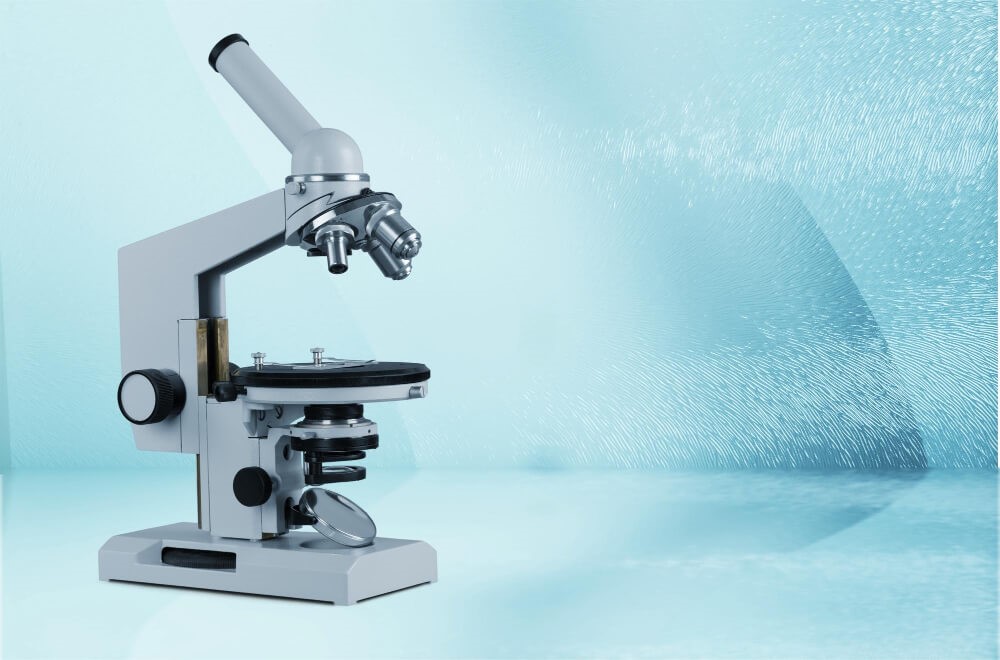
During an endoscopy they appear as small, discrete yellowish-white patches, most often in the lower part of the stomach. Since they can resemble other stomach lesions visually, a doctor will usually take a small biopsy to confirm what they are. Under the microscope, the lipid-filled cells are distinctive and confirm the benign diagnosis. The key point for anyone who has had this finding reported is that the diagnosis itself is reassuring, the deposit is benign, but it is the kind of finding a gastroenterologist interprets in the context of your wider stomach health.

Why Doctors Take Note of Gastric Xanthoma
Although the deposit is harmless, gastric xanthoma is treated as a useful flag rather than ignored, and it helps to understand why. Research has found that gastric xanthomas often occur alongside other stomach conditions, including gastritis (inflammation), gastric atrophy, and intestinal metaplasia, changes in the stomach lining that can be associated with a higher risk of stomach cancer over time.
Some studies, including well-known work by Sekikawa, have noted that gastric xanthomas tend to appear in the same areas of the stomach where cancers can develop, which is why doctors sometimes regard them as a marker worth acting on. This does not mean a gastric xanthoma is dangerous or pre-cancerous in itself, it is not. It means that finding one is a reasonable prompt for a doctor to check the rest of the stomach lining carefully. This is firmly a matter for medical follow-up, not something to manage at home.
Gastric Xanthoma and Cholesterol
Because gastric xanthomas are made of lipid-filled cells, they can sometimes reflect an underlying change in how the body handles fats, much as other xanthomas can. For that reason, a doctor may suggest a blood test to check your cholesterol and triglyceride levels after finding one.
If a lipid disorder is identified, managing it through diet, lifestyle, and where appropriate medication protects your wider cardiovascular health, which matters far beyond the stomach finding itself. This is the one practical overlap with the eyelid form of xanthelasma: both can occasionally be linked to lipid levels, and both can prompt a sensible cholesterol check. Beyond that, though, the two conditions are managed entirely differently, the gastric finding by a gastroenterologist, the eyelid form as a cosmetic matter.

Treatment and Follow-Up
Gastric xanthomas themselves usually need no specific treatment, since they are benign and cause no symptoms. The focus instead is on two things: addressing any associated stomach condition, such as treating gastritis or an H. pylori infection if present, and managing any lipid issue picked up on blood tests. Your doctor decides what, if anything, needs doing based on the full picture.
Follow-up is the part that matters most. Because gastric xanthoma can accompany conditions that warrant monitoring, a doctor may recommend periodic endoscopic check-ups to keep an eye on the stomach lining, alongside routine health and cholesterol checks. The sensible approach is simply to stay in touch with your healthcare provider and follow the surveillance plan they suggest. None of this involves a cosmetic product, this is straightforward medical care.

If You Were Actually Looking for the Eyelid Condition
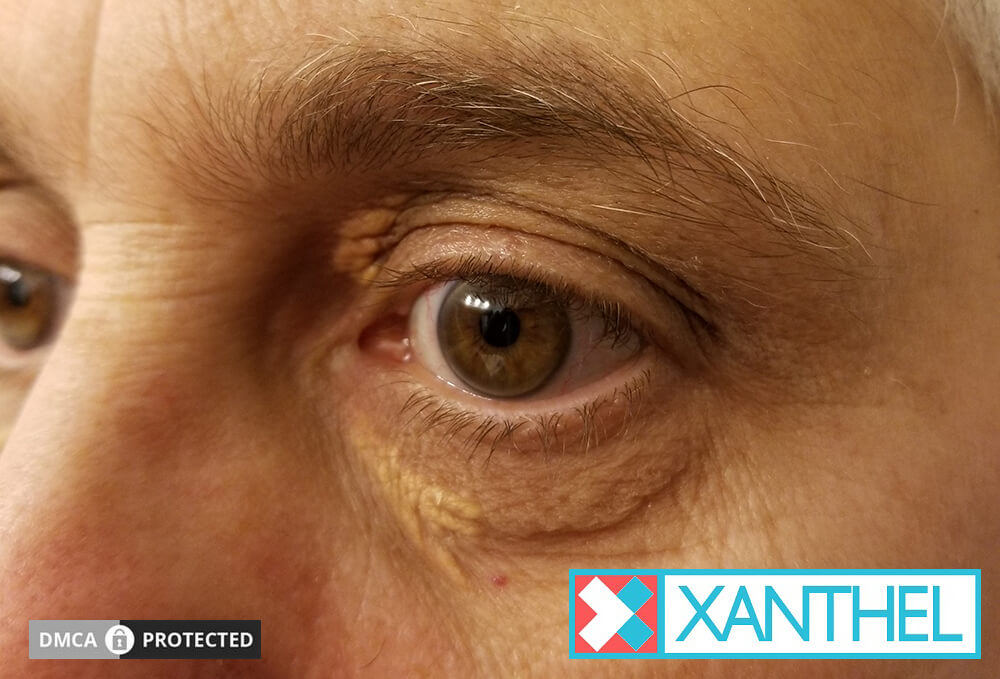
Many people reach a page like this after searching for “xanthoma” or “xanthelasma” when what they really have is the eyelid form, the soft yellow patches on or around the eyelids. If that is you, the situation is far simpler and far less worrying than a stomach finding. Eyelid xanthelasma is a cosmetic issue, not a marker for anything sinister, and it can be dealt with directly.
For the eyelid plaques specifically, Xanthel ® is a cosmetic skincare cream formulated to remove xanthelasma plaques at home, designed as an alternative to surgery, laser, or freezing. To be clear, it is intended only for the eyelid form and is not a treatment for gastric xanthoma or any stomach condition, which need proper medical care. If your concern is the eyelid marks, you can read more on why xanthelasma appears or compare the full range of removal options.
The Bottom Line on Gastric Xanthoma
Gastric xanthoma is a benign cholesterol deposit in the stomach lining, usually found by chance during an endoscopy and harmless in itself. What gives it significance is its company: it can appear alongside stomach conditions worth monitoring, which is why doctors treat it as a prompt for careful evaluation and follow-up rather than something to dismiss. If you have had one reported, the right path is to follow your doctor’s guidance on monitoring and on managing any associated condition or cholesterol issue.
And if you arrived here meaning the eyelid condition rather than the stomach one, that is a much simpler, cosmetic matter. You can start with our xanthelasma overview, read about the causes of xanthelasma, or look at the at-home removal option made specifically for the eyelid plaques.

Common Questions About Gastric Xanthoma
Is gastric xanthoma dangerous?
No, the deposit itself is benign and does not become cancer. What gives it significance is that it can appear alongside other stomach conditions, such as gastritis or changes in the stomach lining, that a doctor may want to monitor. So while the xanthoma is harmless, finding one is a reasonable prompt for careful medical evaluation.
Is gastric xanthoma the same as eyelid xanthelasma?
No. They share a name because both are cholesterol deposits, but gastric xanthoma is in the stomach lining and is a medical finding, while xanthelasma is on the eyelids and is usually a cosmetic concern. They are managed completely differently, and a cosmetic cream is only relevant to the eyelid form.
Does gastric xanthoma cause symptoms?
Usually not. Gastric xanthomas are typically silent and cause no symptoms of their own. They are most often found by chance during an endoscopy carried out for another reason. If you do have stomach symptoms, they generally come from a different condition rather than the xanthoma.
Why did my doctor mention gastric xanthoma after my endoscopy?
Because, although it is benign, it can occur alongside conditions worth keeping an eye on, and some research links its location to areas where stomach problems can develop. Your doctor mentions it so the stomach lining can be checked properly and any associated condition addressed, not because the xanthoma itself is harmful.
How is gastric xanthoma treated?
The xanthoma itself usually needs no treatment. Instead, the focus is on managing any associated stomach condition and checking your cholesterol, since the deposit is lipid-based. Your doctor may also suggest periodic endoscopic follow-up to monitor the stomach lining. It is entirely a matter of medical care.
Can I use a cream to remove gastric xanthoma?
No. Gastric xanthoma is inside the stomach and is a medical matter for a doctor, not something any cream can or should treat. Xanthel ® is a cosmetic cream intended only for eyelid xanthelasma. If your concern is the eyelid form, that is when the at-home cosmetic option applies.
Does gastric xanthoma mean I have high cholesterol?
Not necessarily, but because the deposit is lipid-based, a doctor may check your cholesterol after finding one. If a lipid issue is identified, managing it benefits your overall cardiovascular health. The check is sensible whether or not your cholesterol turns out to be raised.
Should I be worried if I have gastric xanthoma?
The finding itself is not a cause for alarm, since it is benign. The sensible response is simply to follow your doctor’s advice on monitoring and on managing any associated stomach or cholesterol condition. Staying engaged with the recommended follow-up is the best way to look after your stomach health.
Xanthel ® is a cosmetic skincare product intended for eyelid xanthelasma, not a medical treatment, and it is not suitable for gastric xanthoma or any stomach condition. Gastric xanthoma should be assessed and monitored by a doctor, who can interpret it alongside your wider digestive and metabolic health.