Xanthelasma Removal
Learn More About Xanthelasma
– What is Xanthelasma?
– A xanthelasma is a typically harmless condition, manifesting as yellowish bumps on or near your eyelids.
– Considered a type of xanthoma, these bumps represent localized cholesterol deposits under the skin.
– These lesions can vary in texture, being soft, chalky, or semi-solid to the touch.
– Age Range and Prevalence
– The condition most commonly appears between the ages of 35 and 55.
– Despite being the most prevalent form of xanthoma that affects the skin, xanthelasmas occur in about 1% of the population.
– Causes Behind Xanthelasma
– The emergence of xanthelasmas may be tied to various health concerns, including diabetes mellitus and weight gain.
– An individual’s lipid profile, revealing higher cholesterol levels, is often linked to the development of these growths.
– Risk Factors
– Certain risk factors such as a family history of high cholesterol, lipid metabolism disorders, or a personal history of cardiovascular diseases might increase the likelihood of developing xanthelasmas.
Signs and Implications of Xanthelasma Presence
– Appearance and Symptoms
– Xanthelasmas are identified by their distinctive yellow coloration around the eyelids.
– These growths can present differently in form, either flat or raised, and range in consistency from soft to firm.
– While usually painless, xanthelasmas can sometimes cause discomfort or irritation.

– Treatment Modalities
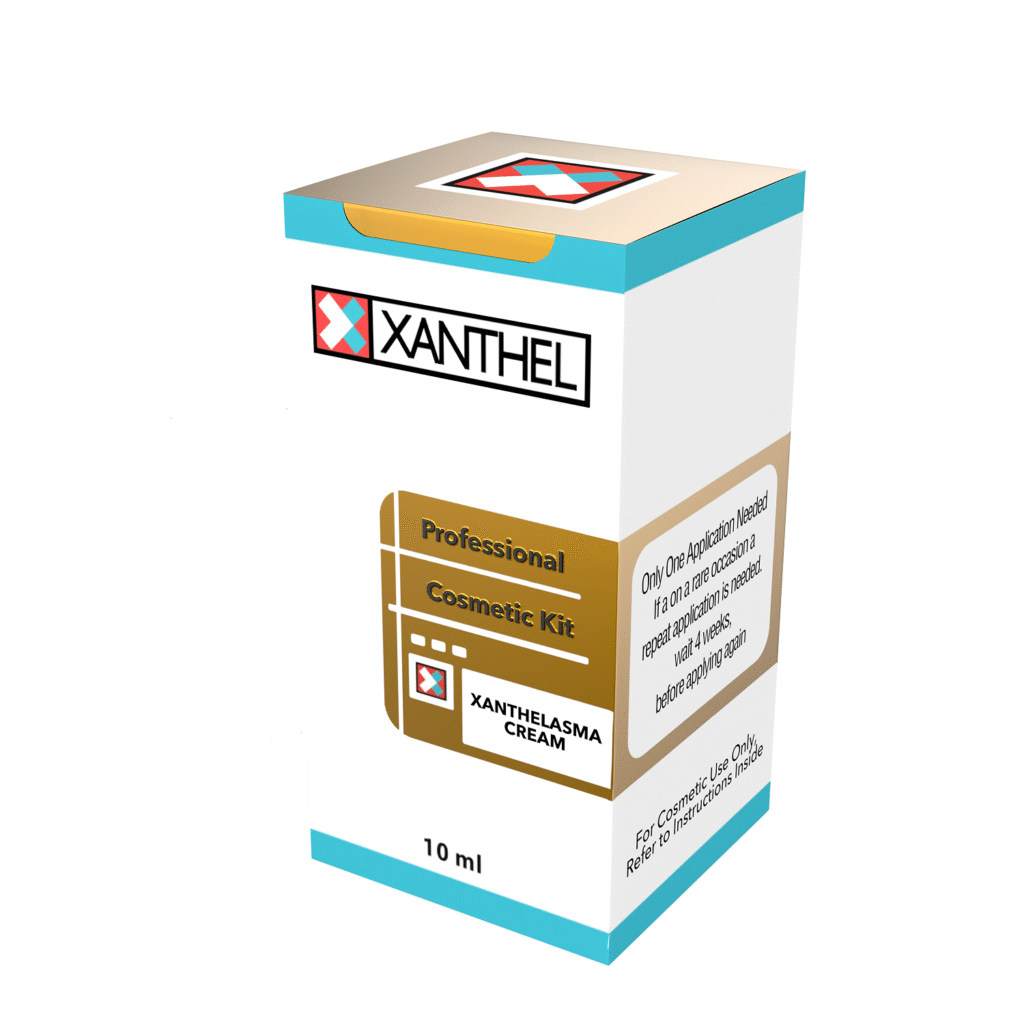
– Treatment options are diverse, from surgical removal to non-invasive methods like Xanthel ®, available online and from thermal procedures to cryotherapy.
– Effectiveness can vary, with some individuals requiring multiple sessions to achieve complete removal.
– It should be noted that xanthelasmas are persistent and may recur even after successful treatment.
– Monitoring and Management
– Regular monitoring of the affected area by a healthcare professional is essential, especially considering the potential association with lipid disorders and cardiovascular risk.
– In conjunction with treatment, managing underlying conditions such as diabetes and high cholesterol is crucial for preventing recurrence and promoting overall health.
Your understanding of xanthelasma is vital in recognizing its appearance and seeking appropriate treatment. If you observe yellow bumps around your eyelids and they coincide with discomfort or you have known risk factors, consult with a healthcare provider. Although the treatment of xanthelasma is often successful, it may require patience and possible lifestyle adjustments to manage effectively and minimize the chance of recurrence.

Surgical Removal Methods
Traditional Surgery Techniques for Xanthelasma
When considering treatment for xanthelasma, a variety of surgical methods are available, each with its own benefits and considerations:
– Liquid Nitrogen Cryotherapy: This method involves freezing the xanthelasma with extreme cold. It can be very effective but may require multiple sessions.
– Laser Surgery: Utilizing focused beams of light, laser surgery can precisely target and remove the cholesterol deposits. Again, more than one treatment may be necessary.
– Radiofrequency Ablation: This technique applies radio waves to generate heat and dissolve the xanthelasma. Stitches may be required afterward to aid in healing.
– Surgery Using Extreme Heat: Similar to radiofrequency ablation, this method uses heat to remove the xanthelasma. The extreme temperatures help to break down the fatty deposits.
It is important to discuss with your doctor which method may be most suitable for you. Factors to consider include the size and thickness of your xanthelasma, your skin type, and any underlying health conditions. Also, be aware that while these treatments are generally effective, they may not always prevent recurrence.
Postoperative Care and Considerations
Following the removal of xanthelasma, proper aftercare is crucial to ensure healing and reduce the chance of recurrence:

– Follow-up Appointments: Adhere to scheduled visits so your healthcare provider can monitor the healing process and promptly address any concerns.
– Skin Care: Treat the area gently, keeping it clean and protected according to your doctor’s instructions.
– Manage Cholesterol Levels: Since xanthelasmas are associated with cholesterol, work with your doctor to manage lipid levels through diet, exercise, or medication if necessary.
– Monitor for Recurrence: Keep an eye on the treated area in the long-term, as xanthelasma can recur. Early detection can lead to more effective intervention.
Remember that while surgical removal of xanthelasma is often successful, the condition can indeed come back. Combining treatment with lifestyle changes and medical therapy to manage cholesterol levels may help reduce the risk of recurrence. Always consult with a healthcare professional for guidance tailored to your specific situation.

Non-Surgical Removal Methods
Cryotherapy for Xanthelasma Elimination
If you’re considering non-surgical options for removing xanthelasma, cryotherapy may be a suitable choice. This method involves the application of liquid nitrogen, using extreme cold to freeze and destroy the fatty cholesterol deposits beneath your eyelid skin. Here’s what you might expect during this process:
– Multiple Sessions: Often, more than one treatment is necessary to completely remove xanthelasma.
– Non-Invasive: As a non-surgical option, cryotherapy usually requires no cuts or stitches.
– Recovery Time: Recovery typically involves minimal downtime, allowing you to resume your daily activities shortly after treatment.
– Attention to Sensation: Following cryotherapy, it’s normal to experience sensations of cold, numbness, or mild discomfort in the treated area.
Radiofrequency Ablation and Recovery Process
Another non-surgical method to consider for xanthelasma removal is radiofrequency ablation. This procedure uses radio waves to heat and dissolve the areas of cholesterol accumulation. Here are the critical aspects of radiofrequency ablation:
– Treatment Duration: The procedure is relatively quick, and depending on the size and number of xanthelasmas, it can often be performed in a single session.
– Post-Treatment Care: You may receive specialized instructions for caring for the treated area, including possible stitches that aid in healing.
– Deciding Factors: Your healthcare provider will help determine if this is an appropriate method for you, depending on various factors like the xanthelasma’s characteristics and your overall health.
Regardless of the method you and your healthcare professional decide upon, it is vital to maintain regular check-ups and adhere to a cholesterol-lowering plan. Prevention of future xanthelasma growth plays a critical role in your ongoing health. Addressing possible high cholesterol levels and making the necessary lifestyle adjustments can help minimize the likelihood of xanthelasma reappearing.

Treatment options for xanthelasma are varied, with each offering certain benefits. In your journey to remove these lesions, consider the potential for multiple sessions, the possibility of recurrence, and the importance of lipid management. Stay proactive in consulting with your healthcare provider to choose the most effective treatment strategy for your specific case.
By exploring both surgical and non-surgical removal methods and combining them with cholesterol management, you can significantly increase your chances of successful and long-lasting results. Regardless of the chosen treatment path, your active participation in the aftercare and preventive measures is crucial for optimal outcomes.

Laser Treatments
Effectiveness of Laser Surgery for Xanthelasma
Laser treatment for xanthelasma offers you a precise and often successful intervention. However, it’s essential to understand that its effectiveness can vary based on several factors:
– Laser Type: Different lasers, such as carbon dioxide, Er:YAG, Q-switched Nd:YAG, and pulse dye laser, have been found effective. The choice depends on your specific case and the recommendation of your healthcare provider.
– Size and Depth: Larger and deeper xanthelasmas might require more intensive and multiple laser treatments compared to smaller ones.
– Skin Type and Color: Certain lasers work better with specific skin types and colors. Your physician will choose a laser that minimizes the risk of scarring or pigment changes.
– Patient Expectations: Have realistic expectations about the process. You will need ongoing sessions, and complete clearance is not guaranteed in every case.
Understanding and setting suitable expectations can pave the way for a better treatment experience. Consult a specialised dermatologist or an oculoplastic surgeon to evaluate whether laser surgery is the optimal approach for your xanthelasma.
Types of Lasers and Patient Suitability
With several laser options available, your dermatologist will consider which is best for you:
– Carbon Dioxide Laser: Highly effective and precise, this laser can successfully ablate xanthelasma, especially beneficial for thicker lesions.
– Er:YAG Laser: Known for its skin resurfacing capabilities, this laser can gently remove superficial lesions with minimal collateral damage.
– Q-Switched Nd:YAG Laser: Typically used for tattoo removal, this laser can also be effective for treating xanthelasma by fragmenting the cholesterol deposits.
– Pulse Dye Laser: It targets the vascular component, often used in combination with other lasers for better cosmetic outcomes.
Your suitability for any of these lasers will be assessed by considering your unique case, any underlying health concerns, and the specifics of your xanthelasmas, such as their size and location. It’s vital to consult a professional who has experience with various lasers and understands their nuanced differences to ascertain the best and safest option for you.
In the journey of treating your xanthelasmas, you are encouraged to build a rapport with your healthcare provider. They should ensure you comprehend the proposed treatment plan. By doing so, you’ll be well-informed about what to expect, including the potential for multiple sessions, postoperative care, and the importance of monitoring and managing cholesterol levels to possibly prevent recurrence. Always prioritize a professional’s advice when making health-related decisions.

Xanthel ® Removal Cream
How Xanthel ® Removes Xanthelasma
When it comes to getting rid of xanthelasma, you have several options at your disposal. One of those is the use of Xanthel ® removal cream, which is available online. Here’s a quick guide to understanding how it works and what you can expect:
– Mechanism of Action: A one application treatment, developed to target xanthelasma and xanthoma plaques. In the case of xanthelasma, Xanthel ® targets the cholesterol deposits, effectively removing them and stopping regrowth.
– Skin Tone: There are different formulations applicable to the skin tone of the client, to make sure the treatment is effective, but reduing the chances of issues post treatment.
– Procedure: You’ll be given detailed instructions on simple pre-treatment preparation. Typically, Xanthel ® is carefully applied to the affected area, left on for a prescribed time, and then removed.
– Compliance: You must adhere to the specific post-treatment instructions provided by Xanthel ®. This ensures optimal results and minimizes the chances of complications.
Treatment with Xanthel ® is very effective, but just like with any medical procedure, individual results may vary. You may need more than one session to achieve the desired effects, if the treatment has not been carried out correctly.
Post-Treatment Care and Skin Recovery
Once you have used Xanthel ® to address your xanthelasma, it’s crucial to take proper care of the treated area to foster healing and prevent any complications:
– Skin Protection: Protect the treated areas from the sun by wearing sunglasses and using sunblock with high SPF. Sun exposure can lead to pigment changes, especially while your skin is healing.
– Anti-bacterial: Keeping the area treated with an anti-bacterial cream to promote healing is applicable after the treatment. Typically, a gentle anti-bacterial will be recommended that won’t irritate the sensitive skin that’s regenerating.
– Avoid Harsh Products: Until your skin has fully healed, avoid using products that can cause irritation, such as those with strong chemicals or fragrances.
– Patience is Key: Healing time varies from person to person. Be patient and allow your skin the time it needs to recover.

Alternative Heat Treatments
Extreme Heat Surgery for Xanthelasma Removal
If you’re exploring treatment options for xanthelasma, you might consider a method that involves the application of extreme heat, known as thermal cauterization. This procedure aims to effectively remove the fatty cholesterol deposits beneath your skin. Before opting for this treatment, here is what you should know:
– Procedure Overview: During the treatment, your healthcare provider will apply a high-frequency electrical current to the affected areas. This heat is controlled and targeted to remove only the xanthelasma without damaging the surrounding tissue.
– Duration and Recovery: Each session typically lasts for a short duration. Recovery time can vary, but you can often expect to resume your normal activities quite soon after the procedure.
– Potential for Scarring: While the risk of scarring is present with any heat-based therapy, experienced practitioners take great care to minimize any adverse effects. The goal is to maintain the integrity of your eyelid skin while removing the xanthelasma.
– Anesthesia: Local anesthesia is used to ensure you’re comfortable and pain-free during the procedure.
Understanding the specifics of this treatment can help you weigh its pros and cons in relation to other methods. Extreme heat surgery may offer a quicker resolution to xanthelasma compared to some laser treatments, especially for smaller lesions. Nonetheless, it’s crucial to have a thorough consultation with your dermatologist to discuss if this option aligns well with your specific circumstances.
Safety Measures and Efficacy
Your safety and the effectiveness of the treatment are paramount considerations when undergoing extreme heat surgery for xanthelasma removal. Here are some points that should be discussed with your healthcare provider:
– Experienced Practitioner: Ensure that the professional performing the procedure has ample experience with this treatment technique. Their skill level will significantly influence both the safety and success of the procedure.
– Follow-Up Care: Adhering to aftercare instructions, such as keeping the area clean and applying prescribed ointments, is crucial for proper healing and avoiding infection.
– Treatment Efficacy: Discuss the expected outcomes, including the likelihood of needing multiple sessions and the chances of recurrence. Your provider can give you a realistic expectation based on your individual case.
– Overall Health Assessment: As with all procedures, a full health assessment is necessary to avoid any complications. This includes a review of your medical history and current health status.
– Long-Term Prevention: In addition to the removal of existing xanthelasma, your provider will likely recommend strategies to prevent recurrence, such as managing cholesterol levels and lifestyle modifications.
Exploring all available treatment options and understanding the intricacies of each can be overwhelming. Remember, you don’t have to make these decisions alone. Lean on the expertise of your healthcare provider to guide you through the process, ensuring that you receive the most effective and safest treatment for your xanthelasma. They will work with you to create a personalized plan that not only treats the current issue but also helps prevent future occurrences.

Common Risks Associated with Xanthelasma Removal
When contemplating the removal of xanthelasma through extreme heat surgery or any other method, it’s crucial for you to understand the potential risks and side effects that may arise. As someone who is considering this procedure, here’s what you should be aware of:
– Skin Discoloration: The treated area may experience changes in pigmentation. Either hypopigmentation or hyperpigmentation can occur, which means the skin might become lighter or darker than the surrounding tissue.
– Risk of Scarring: There’s a possibility of scarring post-procedure, though this is uncommon when the procedure is performed by an experienced practitioner.
– Changes in Eyelid Texture: The eyelid might become temporarily stiffer or have a different texture as a result of the treatment.
– Infection: As with any procedure breaking the skin, there is a risk of infection. This can typically be managed with appropriate care and hygiene.
– Recurrence of Xanthelasma: Despite successful removal, xanthelasma can recur, especially if underlying issues such as high cholesterol are not addressed.
If you’re someone who values a detailed understanding of potential medical procedures, knowing these risks can provide a clearer picture of what to expect and prepare for after undergoing xanthelasma removal.
How to Mitigate Complications after Treatment
As your health and satisfaction are the top priority, you must follow best practices to mitigate complications after xanthelasma removal. Here are steps to ensure a smooth recovery:
– Strictly Follow Post-Operative Instructions: Your treatment provider will give you detailed care instructions after the procedure. It’s imperative that you adhere to these directions carefully.
– Monitor for Signs of Complications: Watch for any unusual symptoms such as increased pain, swelling, or discharge from the treatment sites, and report them to your provider immediately.
– Use Medication as Prescribed: If you’re prescribed antibiotics or any topical ointments, use them exactly as directed to prevent infection and promote healing.
– Protect from Sun Exposure: Sun protection is vital, as UV rays can exacerbate discoloration and scarring. Make sure to apply a broad-spectrum SPF when going outdoors.
– Maintain Good Eyelid Hygiene: Keep the area clean and dry, barring any specific moisturizing instructions from your healthcare provider.
– Healthy Lifestyle Choices: Continue to manage your cholesterol levels through diet, exercise, and medication to prevent new xanthelasma from forming.
Remember, a proactive approach to your aftercare can significantly influence your healing process and the overall outcome of the treatment. Consulting with your healthcare provider about these measures will empower you to take control of your recovery and health post-procedure.
Wrap-up
Recurrence Rates and Long-term Management of Xanthelasma
While treatments for xanthelasma are usually effective, there’s a chance of recurrence if underlying health conditions such as high cholesterol are not managed. It’s crucial for you to maintain a healthy lifestyle and adhere to any medical guidance regarding cholesterol levels to reduce this risk.
Final Thoughts on Xanthelasma Removal Choices
Taking the step to remove xanthelasma can significantly improve the aesthetic look of your eyelids as well as your overall eye health. It’s essential, however, to weigh the benefits against the possible risks and side effects, and to choose a treatment method that aligns with your personal health profile and comfort level. With the support of a qualified treatment provider, you can make an informed decision and embark on a treatment journey that is best suited for your individual needs. Remember, managing the underlying causes of xanthelasma is just as important as treating its physical manifestation to ensure long-term results and satisfaction.