
How To Get Rid Of Xanthelasma
Every Way to Remove the Yellow Eyelid Marks, with an Honest Verdict on Each
Looking at how to get rid of xanthelasma? This page walks through each removal route, the at-home option, cryotherapy, surgery, laser, and electrosurgery, with what each involves, the downtime, the scarring risk, and how likely the marks are to return.
By Xanthelasma.com
How To Get Rid Of Xanthelasma
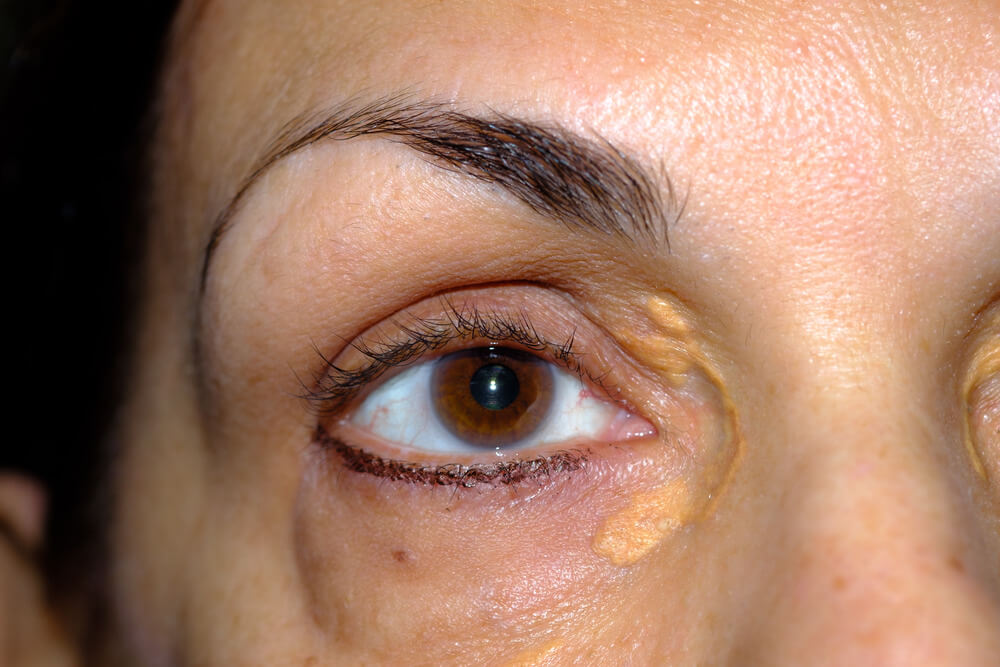
Xanthelasma are the soft yellow cholesterol deposits that form on or around the eyelids. They are harmless, but they do not fade on their own and tend to grow slowly, so if you want them gone, removal is the way. The good news is you have several genuine options, and they differ a lot in cost, invasiveness, downtime, and scarring risk. This page goes through each one honestly so you can see which fits you.
For most people the natural starting point is the at-home route, because it avoids the clinic, the cost, and the recovery the procedures involve. Xanthel ® is a cosmetic skincare cream made for xanthelasma removal at home, and it is the at-home answer covered throughout this page; the clinic methods are here for comparison so you can weigh them properly. Whichever route you choose, a simple cholesterol check with your doctor is worth pairing alongside it. If you want to confirm the marks are xanthelasma first, our xanthelasma overview helps.

At Home With Xanthel ®
The least invasive route, and the one most people weigh first, is removing xanthelasma at home with Xanthel ®. It is a cosmetic skincare cream made for xanthelasma removal at home: you start with clean, makeup-free skin, read the simple guide supplied, apply the cream to the plaque following the instructions, and then follow the aftercare while the skin heals over the following one to two weeks. Using a gentle antibacterial cream during healing supports the skin as it recovers.
What makes this the natural first option is what it avoids: no clinic appointment, no anaesthetic, no cutting or freezing of the delicate eyelid skin, and no extended recovery, all on your own schedule and at a fraction of clinic costs. One application is usually enough, and if a larger or thicker plaque needs a second, you simply wait the recommended interval and reapply (enough is supplied for this). As with anything used near the eye, following the application and aftercare guidance closely is essential, including a patch test first. You can see how it sits against the clinic methods in our full range of removal options, or read more on getting rid of it at home.

Cryotherapy
Cryotherapy removes xanthelasma by freezing it with liquid nitrogen in a clinic. After cleansing the area and sometimes applying a local anaesthetic, the practitioner applies the nitrogen to the plaque for a few seconds to a minute. The frozen deposit then blisters, scabs, and heals over a couple of weeks, during which the area should be kept clean and protected from the sun, and the scab left undisturbed to avoid scarring.
It is relatively quick, but it carries some real trade-offs to weigh: a stinging or burning sensation during treatment, the risk of pigment changes (lighter or darker patches) in the healing skin, which can be more noticeable on some skin tones, and often the need for more than one session for thicker marks. Like every clinic method, it removes the visible plaque but does nothing about the underlying cholesterol, so the marks can return if the cause is not managed. It is one of the more common first-line clinic options. Our page on how xanthelasma is removed covers the clinic routes further.

Surgery, Laser, and Electrosurgery
The remaining clinic options are surgical excision, laser, and electrosurgery. Surgical excision cuts the plaque out under local anaesthetic, often the most definitive route for large or thick marks, but the most invasive, with stitches, a recovery period, and a scarring risk that makes an experienced oculoplastic surgeon important. Laser removal uses a focused beam (commonly CO2 or erbium YAG) to vaporise the deposit with precision while sparing surrounding skin, healing relatively quickly but often needing several sessions for deeper marks. Electrosurgery (electrodesiccation) uses an electric current to dry out and remove the plaque, minimally invasive with a shorter recovery, though again with a risk of temporary discolouration, scarring, and recurrence.
All three work, and all three share the same realities: cost, some downtime, a scarring or pigment-change risk near the eye, usually no insurance cover since removal is cosmetic, and no effect on the underlying cause. They make most sense for larger or stubborn plaques where a clinic procedure is genuinely warranted. For a fuller side-by-side, see our guide to treating xanthelasma, and our page on getting rid of it without surgery if you would rather avoid the knife.

What to Skip, and the Cause Side
Two important points before you decide. First, skip the DIY home remedies. Fenugreek, garlic, castor oil, and similar kitchen-cupboard ideas have no good evidence behind them for clearing xanthelasma, and applied this close to the eye they risk irritation, burns, and scarring. The safe at-home route is a product made for the purpose, Xanthel ®, not an improvised remedy.
Second, getting rid of the marks deals with the visible side, but the underlying cause affects whether new ones form. Because xanthelasma is made of cholesterol, a simple lipid test from your doctor is worth doing; around half of people with xanthelasma have normal cholesterol, so for many it is just reassurance, but where a lipid issue is present, managing it protects your wider health and reduces the chance of new marks. A heart-healthy diet, regular activity, not smoking, and managing any diabetes or thyroid issue all help on that front, though they rarely clear plaques already there. Our guides to the causes of xanthelasma and preventing xanthelasma cover this.

How To Get Rid Of Xanthelasma: The Bottom Line
You can get rid of xanthelasma at home with Xanthel ® (least invasive, most affordable, no downtime) or through a clinic procedure, cryotherapy, surgery, laser, or electrosurgery, all of which work but involve cost, recovery, a scarring or pigment-change risk near the eye, and no effect on the underlying cause. The right choice comes down to the size of your marks, your budget, and how much downtime you can accept; many people start with the at-home route and keep a clinic option in mind for anything large or stubborn. DIY remedies are best avoided entirely.
Whichever route you choose, pairing removal with a quick cholesterol check helps keep results lasting. If you would rather skip the clinic, xanthelasma removal at home with Xanthel ® is the simplest place to start. You can also read whether xanthelasma can come back or whether it can disappear on its own before deciding.

Common Questions About Getting Rid of Xanthelasma
What is the best way to get rid of xanthelasma?
There is no single best way, it depends on the size of your marks, your budget, and how much downtime you can accept. For most people the at-home route with Xanthel ® is the natural starting point, since it avoids the cost, scarring risk, and recovery of clinic procedures. Larger or stubborn marks may be better suited to a clinic method.
Can I get rid of xanthelasma at home?
Yes. Xanthel ® is a cosmetic skincare cream made for xanthelasma removal at home, applied to the plaque following the supplied guide, with the skin healing over one to two weeks. It is the at-home route and avoids the clinic, anaesthetic, cutting, and downtime that the procedures involve, which is why many people start there.
How do I get rid of xanthelasma without surgery?
Surgery is only one option. You can remove xanthelasma at home with Xanthel ®, or through non-surgical clinic procedures such as cryotherapy, laser, or electrosurgery. The at-home route is the least invasive and avoids the cost and recovery of a procedure, making it the usual first choice for people wanting to skip surgery.
Do home remedies get rid of xanthelasma?
No. There is no good evidence that fenugreek, garlic, castor oil, or similar remedies clear xanthelasma, and used near the eyes they can cause irritation or burns. The safe at-home approach is Xanthel ®, a cosmetic cream made specifically for xanthelasma removal at home, rather than an improvised kitchen remedy.
Will xanthelasma come back after I get rid of it?
It can, particularly if an underlying cause like raised cholesterol is left unmanaged, and this applies to every removal method. Pairing whichever route you choose with a cholesterol check and healthy habits reduces the chance of new marks forming. If marks do return, they can be treated again.
How much does it cost to get rid of xanthelasma?
It varies by method. Clinic procedures like laser, surgery, and cryotherapy can be expensive, often need several sessions, and are usually not covered by insurance since removal is cosmetic. The at-home route with Xanthel ® is generally the more affordable option, which is part of why many people choose it first.
Does freezing or laser leave scars?
Any clinic method that cuts, freezes, or burns the eyelid skin carries some risk of scarring or pigment changes, which is why an experienced practitioner matters. The at-home route with Xanthel ® avoids cutting and freezing, though following the application and aftercare guidance closely is still important for a good result.
Should I see a doctor before getting rid of xanthelasma?
It is worth one visit. A doctor can confirm the marks are xanthelasma and run a simple lipid test to check for any underlying cause. Once you know what you are dealing with, you can choose how to remove the marks, including at home with Xanthel ®, and manage any underlying factor separately.
Xanthel ® is a cosmetic skincare cream made for xanthelasma removal at home, not a medical treatment for any underlying condition. However your xanthelasma is removed, it is worth seeing your doctor for a simple check, since xanthelasma can sometimes sit alongside lipid, thyroid, or cardiovascular factors worth identifying and managing for your wider health.