How To Cover Xanthelasma With Makeup
A Simple Step-by-Step Routine to Conceal the Yellow Eyelid Marks
Want to cover xanthelasma with makeup? The trick is colour-correcting the yellow first, then concealing. This step-by-step routine, prep, correct, conceal, set, hides the marks naturally without looking caked.
By Xanthelasma.com
Covering Xanthelasma With Makeup: The Short Version
Xanthelasma, the soft yellow marks on the eyelids, can be covered with makeup, and doing it well comes down to one key trick: because the marks are yellow, ordinary concealer alone often leaves a sallow patch, so the secret is to neutralise the yellow with a colour corrector first, then conceal and set. Get that order right and the marks become very hard to spot.
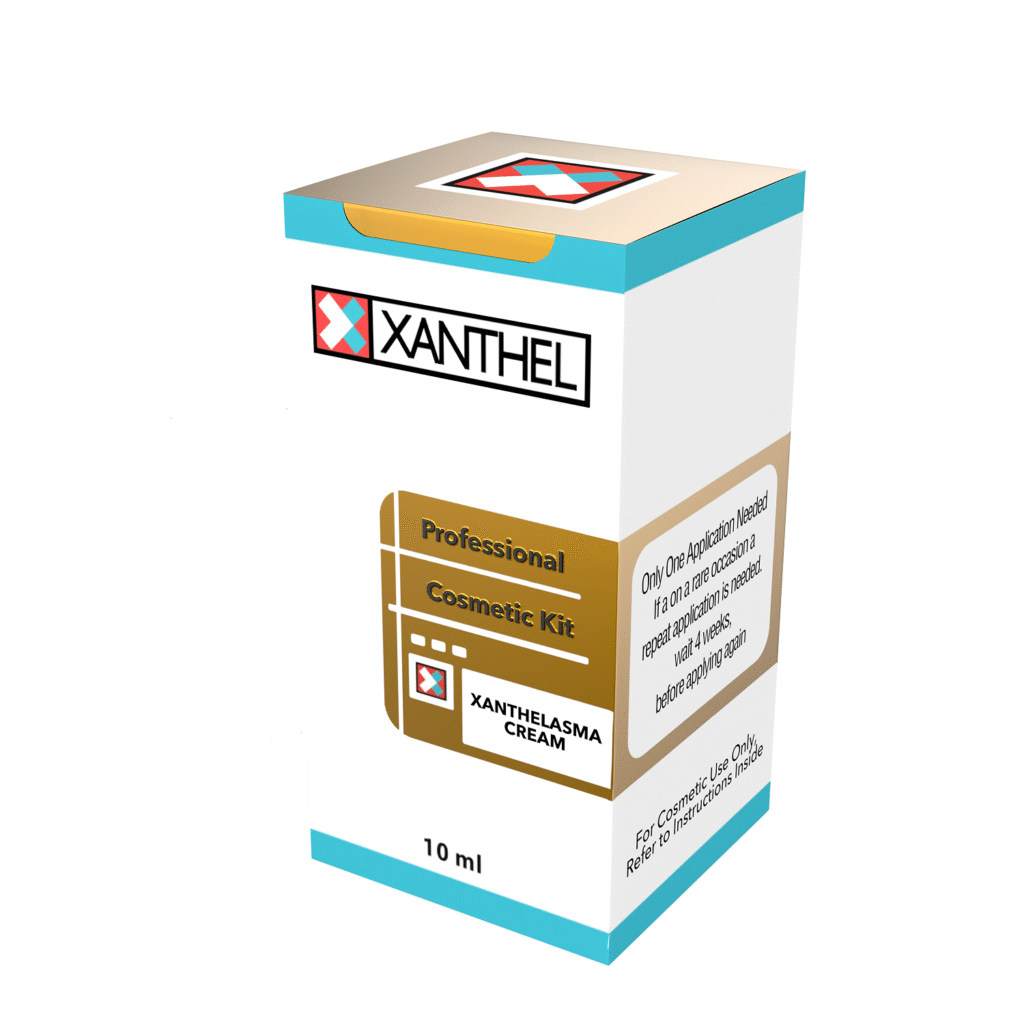
This page walks through a simple routine: prepare the skin, colour-correct, conceal, and set. It is a genuinely useful temporary solution for a big day, a photo, or just everyday confidence, and it is gentle on the delicate eye area when done with care. One honest point worth making early, though: makeup covers xanthelasma, it does not remove it. If you would prefer the marks gone for good rather than concealed each morning, that is a separate route, and Xanthel ® is a cosmetic skincare cream formulated to remove xanthelasma plaques at home. For now, here is how to cover them. Our overview of what xanthelasma is gives the background.

Step 1: Prep the Skin
A smooth, clean base makes everything that follows sit better, so start here. Gently remove any existing makeup with a mild remover, then cleanse with a gentle face wash and pat (don’t rub) the area dry, since the eyelid skin is delicate. Avoid harsh scrubbing right over the marks.
Next, lightly moisturise so the skin is hydrated but not greasy, a heavy or oily base will make makeup slide. Give it a minute to absorb. If you use a primer, a small amount over the area helps create an even surface and helps the makeup last, but keep it light near the eyes. The aim of this step is simply a clean, smooth, matte-ish canvas; the concealing happens in the next steps. Taking a moment here is what separates makeup that lasts the day from makeup that creases off by lunchtime.

Step 2: Colour-Correct the Yellow (The Key Step)
This is the step that makes the real difference, and the one most people skip. Xanthelasma is yellow, and on the colour wheel the opposite of yellow is purple, so a purple or lavender colour corrector neutralises the yellow tone before you add any concealer. Skip this and your concealer often has to fight the yellow showing through, which is why marks can still look sallow under ordinary makeup.
Use it sparingly: a tiny amount of lavender corrector (lighter lavender for fair skin, a deeper purple for medium-to-dark skin) dabbed just onto the yellow areas with a clean fingertip or small brush. Blend with gentle patting motions until the yellow is neutralised, you are aiming for an even, toned-down base, not a visible purple patch, so less is more. Let it settle for a moment before moving on. This single step is the biggest reason a xanthelasma cover-up either works or doesn’t.

Step 3: Conceal
With the yellow neutralised, now you conceal. Choose a densely pigmented, high-coverage concealer that matches your skin tone closely, a creamy but not too-thick formula works best, since it covers without looking heavy on the thin eyelid skin. If you struggle to match your tone exactly, mixing two shades is fine.
Apply in thin layers rather than one thick one: start with a small amount, patted directly onto the marks with a fingertip or a small, stiff brush, then build up only if needed. The patting motion (rather than wiping) helps the product adhere and stops it disturbing the colour corrector underneath. Concentrate the concealer on the marks themselves and blend just the edges into the surrounding skin to avoid hard lines. Thin, built-up layers always look more natural than one heavy coat, which is what causes the cakey look people worry about.

Step 4: Set It So It Lasts
The final step locks everything in place. Without setting, concealer on the mobile, occasionally oily eyelid area tends to crease or slide off during the day. Using a finely milled translucent setting powder, lightly dust over the concealed area with a soft brush, tapping off the excess first so you don’t over-apply.
Keep it light, too much powder can settle into fine lines and draw attention rather than hide. A gentle dusting is enough to set the work without a heavy, powdery finish. If you want extra staying power for a long day or event, a light mist of setting spray afterwards helps meld everything together. Through the day, try to avoid touching or rubbing the area, and a quick light touch-up is easier than reapplying from scratch. That’s the full routine: prep, correct, conceal, set. Our page on how to hide xanthelasma with makeup offers a few more pointers.


Makeup Hides, It Doesn’t Remove
It is worth being clear, because it affects what you decide to do. Makeup is an excellent temporary solution, it lets you face a day, an event, or a photo with confidence, but it covers xanthelasma rather than treating it. The marks are still there underneath, they will not fade on their own, and they tend to grow slowly over time, so concealing becomes a daily routine.
For some people that is perfectly fine, and makeup is all they want. For others, the daily concealing gets tiring and they would rather have the marks gone for good. If that is you, removal is the route: the clinic options (surgery, laser, freezing) work but are costly and carry a scarring risk, while the least invasive option is an at-home cream. Xanthel ® is a cosmetic skincare cream formulated to remove xanthelasma plaques at home, so it is worth looking at the at-home removal option or comparing the full range of removal options. Many people use makeup to cover the marks in the meantime while they deal with them properly.

How To Cover Xanthelasma With Makeup: The Bottom Line
To cover xanthelasma well, prep the skin, neutralise the yellow with a purple or lavender colour corrector, conceal in thin layers with a high-coverage concealer matched to your tone, and set lightly with translucent powder. The colour-correcting step is the one that makes the real difference. Done with care, the marks become very hard to spot, and the technique is gentle on the delicate eye area.
Just remember makeup conceals rather than removes; the marks remain underneath. If you would rather not conceal them every morning, it is worth looking at the at-home removal option, and reading what causes xanthelasma to understand why they form in the first place.

Common Questions About Covering Xanthelasma With Makeup
How do you cover xanthelasma with makeup?
The key is to colour-correct first. Prep and lightly moisturise the skin, then dab a small amount of purple or lavender colour corrector onto the yellow marks to neutralise the tone, apply a high-coverage concealer matched to your skin in thin layers over the top, and set lightly with translucent powder. The colour-correcting step is what makes it work.
Why do I need a purple colour corrector for xanthelasma?
Because xanthelasma is yellow, and purple sits opposite yellow on the colour wheel, so it cancels out the yellow tone. Without this step, concealer alone often leaves a sallow patch where the yellow shows through. A small amount of lavender corrector, neutralised before concealing, gives a much more natural result.
What kind of concealer works best for xanthelasma?
A densely pigmented, high-coverage concealer with a creamy but not overly thick texture, matched closely to your skin tone. It should cover well without looking heavy on the thin eyelid skin. Applying it in thin, built-up layers rather than one thick coat gives the most natural, longest-lasting finish.
How do I stop the makeup looking cakey?
Build coverage in thin layers rather than applying one thick coat, which is the main cause of a cakey look. Pat the product on rather than wiping, blend only the edges into surrounding skin, and set with a light dusting of finely milled translucent powder, going easy on the amount. Less product, well applied, looks better than more.
Will makeup damage my xanthelasma or make it worse?
Makeup does not worsen xanthelasma when applied gently with clean tools, though it is wise to use non-irritating, fragrance-free products near the eyes and to remove makeup gently at the end of the day. Makeup neither treats nor harms the marks; it simply conceals them. Avoid harsh scrubbing over the delicate area.
Does covering xanthelasma with makeup get rid of it?
No. Makeup conceals xanthelasma temporarily but does not remove or treat it, the marks remain underneath and will not fade on their own. Concealing becomes a daily routine. If you would prefer the marks gone for good, that requires a removal method, such as an at-home cream or a clinic procedure.
Can I remove xanthelasma instead of covering it every day?
Yes. If daily concealing gets tiring, the marks can be removed. The clinic options are surgery, laser, and freezing, while the least invasive route is an at-home cream. Xanthel ® is a cosmetic skincare cream formulated to remove xanthelasma plaques at home, as an alternative to clinic procedures, without the cost or downtime.
How long does makeup coverage last on xanthelasma?
It depends on the products, how well you set them, and your skin type, but a well-prepped, colour-corrected, and properly set application can last most of the day. A setting spray and an occasional light touch-up help it last longer. Oily skin may need a little more setting powder to keep it in place.
Xanthel ® is a cosmetic skincare product, not a medical treatment. Makeup conceals xanthelasma but does not treat it, and because the marks can sometimes sit alongside lipid, thyroid, or cardiovascular factors, it is also worth a simple check with your doctor, who can give you the full picture of your health to pair with any cosmetic approach.