Removing Xanthelasma
What Is Xanthelasma?
– A xanthelasma is a benign, yellowish growth that typically occurs on or near the eyelids.
– Classification: It is considered a type of xanthoma, which is a cholesterol deposit beneath the skin.
– Texture: Depending on its stage, a xanthelasma can be soft, chalky, or semi-solid to the touch.
– Identifying Xanthelasma
– Appearance: The most distinctive feature of xanthelasma is its yellow coloring, making it visible against most skin tones.
– Location: Although commonly found on the eyelids, xanthelasmas can appear on other areas of the skin, but this is rare.
The Significance of Xanthelasma Removal
– Treatment Modalities
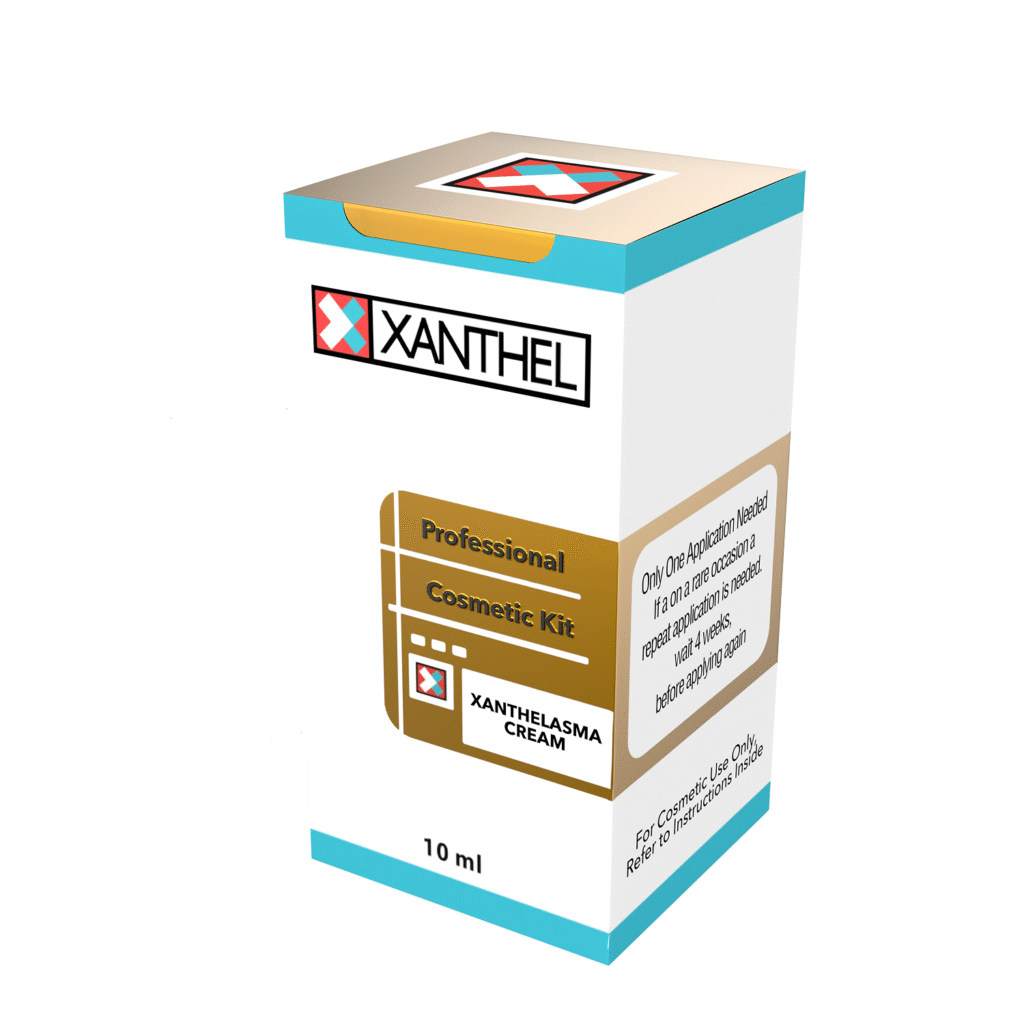
– Non-invasive Options: There are several ways to address xanthelasma without surgery, such as using Xanthel ®, available online or applying heat/cold treatments.
– Surgical Removal: In some cases, surgery may be recommended to efficiently and effectively remove the growth.
– Effectiveness
– Treatments for xanthelasma are generally effective; however, multiple sessions might be required to achieve the desired result.
– Recurrence Possibility
– Despite successful removal, there is a chance that xanthelasmas may reappear, necessitating further intervention.
– Underlying Causes and Risks
– Importance of Evaluation: It is crucial for you to get your cholesterol levels checked given the possible association with xanthelasma.

– Advisory Notes
– Medical Consultation: Consult with a healthcare provider or dermatologist to get an accurate diagnosis and an appropriate treatment plan.
– Lifestyle Impact: Consider adopting lifestyle changes, particularly if high cholesterol is identified; these changes may include diet adjustments and incorporating exercise into your routine.
– Monitoring: Keep an ongoing dialogue with your healthcare provider to monitor both the treated area for any signs of recurrence and your overall health, especially your cholesterol levels.
In in reflection, while xanthelasma may not pose an immediate health threat, it is essential to address the condition not only for cosmetic reasons but also as a possible indicator of underlying health issues. Thorough consultation and continued medical oversight can ensure the most effective treatment plan and preventative measures for future health and well-being.

Alternative Non-Surgical Methods for Xanthelasma Removal
– Cryotherapy: A method involving the application of extreme cold to destroy abnormal tissue. It can be an effective way to remove xanthelasma without surgery.
– May require repeated sessions for best results.
– There is a potential for skin discoloration following treatment.
– Radiofrequency: A minimally invasive procedure that uses radio waves to heat and dissolve fat cells within the xanthelasma.
– Precise and causes minimal damage to surrounding tissues.
– Recovery time is typically shorter compared to surgical methods.
– Carbon Dioxide and Argon Laser: Lasers can selectively target and vaporize the xanthelasma plaques.
– Offers a high level of precision to minimize damage to surrounding skin.
– Multiple treatments may be necessary.
– Xanthel ®: Applying a formulated professional solution to remove xanthelasma, also halts regrowth.
– Depth of the treatment is controlled to target just the affected area.
It’s crucial to discuss with your treatment provider to determine which non-invasive treatment method is appropriate for your specific case. They will consider the size, number, and location of your xanthelasma plaques, as well as your overall health, when recommending a treatment plan. Remember, non-invasive treatments can be an effective method for dealing with xanthelasma, but your patience and commitment to follow-up care are essential to achieving the best possible outcome.

Surgical Removal of Xanthelasma
While non-invasive treatments for xanthelasma can be effective, sometimes surgical options provide a more definitive solution. Surgery might be the recommended option in certain cases, particularly if your xanthelasma is extensive or has not responded well to other forms of treatment. As a patient, you will receive detailed information about the procedure, which is usually done on an outpatient basis.
Outpatient Surgical Procedure for Eyelid Xanthelasma
– Preparation: Prior to surgery, you’ll have a consultation to discuss your medical history and the surgical process. This may also involve fasting, based on your healthcare provider’s instructions.
– Local Anesthesia: To ensure your comfort, local anesthesia is typically administered around the area of the xanthelasma.
– Excision: The surgeon will carefully excise the xanthelasma, aiming to remove all the plaque while preserving the natural shape of your eyelid.
– Sutures: In most cases, the incisions will be closed with sutures that are either absorbable or will need to be removed after a few days.
– Immediate Aftercare: Post-surgery, you will receive guidance on how to care for the operated area to encourage healing and minimize the risk of infection.
– Downtime: Usually, you can return home the same day, and downtime is minimal—but follow your healthcare provider’s instructions for a safe recovery.
Advantages of a Surgical Approach for Xanthelasma Removal
– Efficacy: Surgical removal offers a high chance of complete removal of the xanthelasma in a single session.
– Precision: Surgeons can remove xanthelasma with precision, which is less likely with some of the non-invasive methods.
– Low Recurrence Rate: Compared to other methods, surgery often results in a lower chance of xanthelasma recurrence.
– Cosmetic Outcomes: When performed by a skilled surgeon, the cosmetic results post-surgery can be superior, with minimal scarring.
Despite these advantages, it’s essential to consider the potential for scarring, as well as the need for a surgical procedure under local anesthesia. Weighing these considerations, it’s clear that the decision between non-invasive treatments and surgery is a personal one and should be made in consultation with your healthcare provider based on your individual circumstances.
Your commitment to follow-up appointments and proper post-procedure care will significantly influence the surgical outcome. Additionally, managing your cholesterol levels is critical to avoid the recurrence of xanthelasma and to maintain overall health.


The Procedure: What to Expect
In considering xanthelasma removal, you may be weighing the options of surgical treatment. It’s a quick procedure that can be done in about 30 minutes, but understanding what to expect before, during, and after the surgery can help you prepare and ensure a smooth recovery.
Preparation for Xanthelasma Surgical Removal
Before undergoing surgery for the removal of your xanthelasmas, you’ll be provided with specific instructions to prepare:
– Medical Evaluation: Provide your doctor with a full list of any medications you’re currently taking as well as any known allergies. This helps in assessing your suitability for surgery and in planning for your care.
– Fasting: Follow your doctor’s advice regarding fasting, if required, before your procedure. This is often necessary if sedation is involved.
– Arranging Transportation: Although the surgery is typically an outpatient procedure, you may not be able to drive immediately afterward, so plan for someone to take you home.
– Skin Care: Avoid using any lotions or cosmetics near the eye area on the day of your surgery as they can interfere with the procedure.
It is important to follow these preparations closely to reduce the risks of complications during and after the xanthelasma removal.
The 30-Minute Painless Surgery Explained
Once you’re in the operating room, here’s what you can typically expect from the surgery:
– Local Anesthesia: To ensure your comfort, your surgeon will apply local anesthesia to numb the area around your eyes. This will help minimize pain during the procedure.
– Removal Technique: Using precision tools, the surgeon will meticulously remove the xanthelasma plaques. Techniques may vary, including excision with a scalpel, laser treatment, or electrocautery.
– Immediate Aftercare: After the xanthelasmas are removed, a small bandage may be applied to the area, and you’ll be provided with aftercare instructions. This may involve applying ointment and managing any mild discomfort with advised pain medication.
With recovery from surgery typically taking a few days to a week, you can expect to return to most of your normal activities rather quickly. However, you should be mindful of any post-surgical care instructions to ensure the best healing outcome. Remember that while the surgery is relatively simple, it’s crucial to have it performed by a skilled and experienced surgeon to minimize risks and achieve the most satisfactory results.
Anesthesia and Patient Comfort
Local Anesthesia for Xanthelasma Removal
During your xanthelasma removal, your comfort is of paramount importance. To ensure a pain-free experience, the following measures are undertaken:
– Administration of Local Anesthesia: Your surgeon will administer a local anesthetic to numb the area around your eyelids where the xanthelasmas are located. This is to ensure you feel no pain during the procedure.
– Monitoring: Throughout the procedure, your surgeon and the medical team will continuously monitor your comfort levels. If at any point you feel discomfort, let them know so they can adjust the anesthesia or provide additional comfort measures.
– Medication: After the surgery, you may experience mild discomfort as the anesthesia wears off. Your healthcare provider will recommend or prescribe suitable pain relief medication to manage any post-procedural pain effectively.
These steps are all part of a standard protocol to maximize your comfort and minimize any pain associated with the xanthelasma removal surgery.
Ensuring a Comfortable Removal Experience
In addition to the use of local anesthesia, there are other aspects of the patient experience that healthcare professionals focus on to make your xanthelasma removal as comfortable as possible:
– Communication: You’ll be kept informed at every step so you know what to expect, which can alleviate any anxiety about the procedure.
– Aftercare Guidance: You will be provided with detailed aftercare instructions, including how to manage any post-operative symptoms and how to best encourage healing.
– Support: Your medical team is available to answer any questions and provide support both during and after your treatment. Don’t hesitate to reach out to them with your concerns.
– Follow-Up: Scheduling follow-up appointments is crucial to assess healing and address any lingering side effects. Your surgeon will want to monitor your progress to ensure the optimal outcome.
– Managing Expectations: It’s important to have realistic expectations about recovery and results. Your doctor will discuss what you can expect in the days and months following the procedure, including when to resume certain activities and the potential need for further treatments.
By keeping you at the center of their care, your healthcare team is dedicated to making the xanthelasma removal process as stress-free and comfortable as possible. Remember, it’s essential to attend all follow-up appointments and adhere to the aftercare instructions to ensure the best possible results from your treatment.

The Benefits of at Home Procedure
Opting for an at home xanthelasma removal with Xanthel ® comes with several advantages:
– Minimized Downtime: As the Xanthel ® application procedure is relatively brief, often requiring only about 2 minutes, you can expect minimal downtime allowing you to return to your daily routine promptly.
– Precision and Safety: Removal at home with Xanthel ® and included application method, ensures a higher level of precision and safety during the treatment.
– Risk Reduction: Professional treatment with Xanthel ® reduces the risk of scarring and infection that could arise from using unverified methods.
– Follow-up Care: Comprehensive aftercare advice is included to facilitate healing and minimize the likelihood of recurrence, often a risk with xanthelasma.
Remember, xanthelasma removal is more than just a cosmetic fix—it’s a health intervention that requires careful consideration and expert hands. With Xanthel ®, you can expect a professional, safe, and effective treatment experience.

Considerations for Much Larger Xanthelasma
When you’re facing the decision to remove larger xanthelasma, there are additional considerations to keep in mind. Your treatment provider will discuss with you the most appropriate methods for removal and the implications of having a larger area treated.
Surgical Options for Larger Xanthelasma Removal
If your xanthelasma is particularly large, surgical removal may be the most effective option. Here are the key aspects to consider:
– Surgical Precision: Larger xanthelasma plaques require a more precise surgical technique to ensure complete removal and minimize damage to surrounding tissues.
– Anesthesia Requirements: Depending on the size and location, local or general anesthesia may be recommended for your comfort during the procedure.
– Potential for Scarring: With larger surgical excisions, there’s an increased potential for scarring. Discuss scar minimization techniques with your provider.
– Chance of Recurrence: Larger xanthelasma carries a higher risk of recurrence. You must be aware of this risk and understand the need for potential repeat procedures or ongoing management.
– Customization of Treatment: Treatment plans for larger xanthelasma are highly customized. Your healthcare provider will tailor the removal technique to ensure the best cosmetic and health outcomes.
Post-Surgical Care for Optimal Outcomes
After the removal of larger xanthelasma, post-surgical care is vital to ensure healing and reduce the risk of complications.
– Wound Care: You’ll receive specific instructions on how to care for the surgical site to promote healing and reduce the risk of infection.
– Monitoring for Signs of Infection: Keep a close eye on the incision site for any signs of infection, such as increased redness, swelling, or discharge, and report these to your healthcare provider immediately.
– Pain Management: Your healthcare provider will advise you on how to manage any discomfort following the procedure, which may include prescription or over-the-counter pain medications.
– Follow-Up Visits: Scheduled follow-up visits are crucial for monitoring your healing process and to address any concerns early on.
– Long-Term Care: Engage in long-term care strategies, including lifestyle changes to manage cholesterol levels and regular health check-ups to monitor for possible recurrence.
Working with your healthcare provider, you can determine the most effective method for xanthelasma removal, keeping in mind the size and complexity of your particular case. Remember that individual results may vary and adherence to post-surgical care is key to achieving the best possible outcomes.

Results and Recovery
When you decide to proceed with xanthelasma removal, understanding the expected results and the recovery process is crucial. Here is what you should expect following your treatment:
Effectiveness of Xanthelasma Removal Techniques
– Immediate Results: Directly after treatment, you’ll likely notice an immediate improvement in the appearance of your eyelids. The removal of the xanthelasma lesions can result in smoother, clearer skin.
– Treatment Efficacy: Depending on the method used (surgery, electrocautery, laser surgery, or chemical peel), it may take several sessions to completely remove the xanthelasma. Trust your healthcare provider to recommend the most effective regimen based on your unique case.
– Ongoing Monitoring: Keep in touch with your healthcare provider to monitor the treated area for any signs of recurrence. Xanthelasma can return, and early detection is key to managing it effectively.
– Complementary Treatments: Sometimes, if the treatment triggers temporary skin pigment changes, your healthcare provider might suggest additional treatments to manage these effects.
Managing Expectations: Healing and Potential Scarring
– Recovery Time: Typically, recovery from xanthelasma removal takes three to four days. However, the duration can vary based on the type of treatment you received and your individual healing process.
– Pain Management: Some discomfort or pain is expected post-removal, but it is generally manageable with over-the-counter pain relief or any prescribed medication.
– Follow-up Care: It’s essential to follow your healthcare provider’s instructions for post-treatment care. This may include applying ointments, avoiding sun exposure, and attending follow-up appointments to ensure proper healing.
– Scar Prevention: Scarring can be a concern, but the risk is minimized when treated by a skilled provider. If any scarring occurs, treatment options are available to reduce its appearance.
– Healing Complications: Rarely, complications like eyelid turning inside out, skin discoloration, or pulling in of the eyelid towards the eye can happen. Contact your healthcare provider immediately if you notice any of these symptoms.
– Lifestyle Adjustments: Ensure a smoother recovery by adjusting your daily routine as necessary. This may include taking time off from certain activities and giving your body the rest it needs to heal.
As you undergo xanthelasma removal, remember to have patience and maintain realistic expectations. The effectiveness of the removal process and your recovery can vary, and you may need additional treatments for the best results. Always communicate openly with your healthcare provider and adhere to their guidance for an optimal recovery journey.

Understanding Xanthelasma Removal and Recovery
In the journey of treating xanthelasma, comprehending both the side effects of removal procedures and the period of recovery is pivotal to ensure a safe and satisfactory outcome. Your diligence in following post-treatment care and maintaining communication with your healthcare provider is integral. Below we explore several facets of this process.
Assessing the Best Xanthelasma Removal Method for You
– Method Suitability: Your healthcare provider will determine the most suitable method of xanthelasma removal for your condition. This choice will depend on factors such as the size and depth of the lesions, your skin type, and overall health.
– Consider the Options: Understand that each method, be it surgery, electrocautery, laser surgery, or Xanthel ®, has its own set of potential side effects and recovery times. Discuss thoroughly with your provider to make an informed decision.
– Necessity of Multiple Sessions: Anticipate the possibility of needing multiple sessions, especially if you have a larger or more stubborn xanthelasma. Your healthcare provider will establish a treatment plan to achieve the best results.
– Meeting Your Expectations: Be proactive in discussing your aesthetic goals with your healthcare provider. They will set realistic expectations based on your individual case and the chosen removal method.
Addressing Common Concerns and Questions
– Skin Color Changes: Skin discoloration is a side effect that may take months to resolve. Be patient and follow the prescribed care regimen to help restore your natural skin tone.
– Pain Considerations: If you experience pain after the procedure, it’s important to reach out to your healthcare provider. They may recommend suitable pain relief methods or adjust your treatment plan as needed.
– Post-Procedure Care: Adhering to aftercare instructions will play a significant role in your healing process. This can include wound care, avoiding makeup or strenuous activities, and protecting the area from sun exposure.
– Dealing with Recovery: Allocate adequate time for recovery. Depending on your treatment, it can take three to four days to start feeling normal again. It’s crucial to rest and not rush the healing process.
– Potential Complications: In rare cases, complications such as an eyelid turning inside out or pulling toward the eye can occur. It’s imperative to report these symptoms promptly to your healthcare provider.
– Blood Work and Cholesterol Management: As part of the management, your provider may recommend blood work to check cholesterol levels since xanthelasma can be associated with high cholesterol.
Remember, post-treatment recovery and its duration is individualized. Following your treatment provider’s recommendations is essential to minimize side effects and ensure optimal healing. Consider these insights as you prepare for, undergo, and recover from xanthelasma removal. Your proactive participation in understanding and participating in your care is crucial to achieve satisfactory and lasting results.