Xanthelasma Removal?
If you’ve noticed small, yellowish bumps around your eyelids, you might be seeing signs of a condition known as xanthelasma. These are not simply cosmetic blemishes but could potentially signal underlying health issues. Understanding what xanthelasma is, the causes behind it, and how it can be treated is crucial in addressing both its appearance and related health concerns.
Understanding Xanthelasma and Its Causes
– Xanthelasma are yellowish plaques that occur on or near your eyelids.
– It’s a form of xanthoma, which represents cholesterol deposits under the skin.
– The condition can vary in texture, appearing soft, chalky, or semi-solid.
– Origin and Risk Factors
– While xanthelasma itself is harmless, it can be indicative of elevated cholesterol levels.
– Other risk factors include genetically high cholesterol, liver disease, and diabetes.
– Lifestyle choices such as smoking and poor diet can escalate your risk.
– Cholesterol Link
– High cholesterol is a major contributing factor to xanthelasma formation.
– By managing your cholesterol levels, you can reduce the likelihood of xanthelasmas developing.
The Impact of Xanthelasma on Aesthetics and Health
– Cosmetic Concerns
– Many individuals seek treatment for xanthelasma primarily due to their appearance.
– They can be psychologically distressing and impact self-esteem due to their visibility.
– Underlying Health Significance

– Beyond the aesthetic issue, xanthelasma might signal more serious health conditions.
– High cholesterol, if left unchecked, can lead to cardiovascular diseases.
– Treatment Options
– Several treatment methods are available, including surgical removal, Xanthel ®, and cryotherapy.
– Effectiveness varies, and multiple sessions might be required for optimal results.
– Xanthelasma has a tendency to recur, making regular monitoring and potential follow-up treatments necessary.
– Preventative Strategies
– Regularly monitor cholesterol levels and maintain a healthy lifestyle.
– Treat underlying conditions such as diabetes and high blood pressure proactively.
– Adhere to a balanced diet and exercise regimen to manage body weight and reduce cholesterol.
– Expected Prognosis
– If you’re diagnosed with xanthelasma, prognosis is generally good given it’s a benign condition.
– Managing it effectively involves a combination of treatments, vigilant skincare, and addressing broader health concerns.
Understanding xanthelasma, from its causes to treatment, is imperative. While primarily a cosmetic issue for most, its presence can spark a much-needed investigation into one’s overall health, encouraging lifestyle changes that transcend skin deep.

Surgical Removal of Xanthelasma
The Procedure of Surgical Excision
Xanthelasma, those pesky yellowish deposits around your eyes, might be harmless, but they can affect your self-esteem. If you decide to opt for surgical removal, know that you have multiple options at your disposal.

– Liquid Nitrogen Cryotherapy: This involves applying extreme cold to the xanthelasma to freeze and remove the deposits. It’s a fairly quick procedure, and it might require more than one session depending on the size of the deposit.
– Laser Surgery: A concentrated beam of light targets the xanthelasma, vaporizing it. This type of surgery is precise and can minimize damage to the surrounding skin.
– Radiofrequency Ablation: A high-frequency electric current heats and destroys the xanthelasma. Sometimes, this method may include stitching the affected area post-procedure.
– Surgery Using Extreme Heat: Similar to radiofrequency ablation, this technique also uses heat to remove the deposit. It’s done with an electric needle that burns the xanthelasma away.
Whichever method is chosen, the end goal is the same – to remove the xanthelasma and improve the appearance of your skin. However, remember that these procedures may involve several sessions to completely remove the deposits.
Post-Surgical Care and Considerations
After you’ve gone through a surgical procedure to remove xanthelasma, proper care is paramount to ensure optimal healing and reduce the chance of recurrence.
– Follow your doctor’s aftercare instructions meticulously. This may include cleaning the area gently, applying topical medications, and covering the area to protect it from accidental bumps or sun exposure.
– Be mindful of potential side effects. Scarring and changes in skin color are possibilities, although they can often be minimized with skilled surgical technique and proper post-care.
– Xanthelasma can indeed return, even after surgical removal. To decrease the likelihood, work alongside your healthcare provider to manage any underlying conditions, such as high cholesterol.
Patients often want to know how to prevent xanthelasma from coming back. The key lies in addressing the root causes, which often revolve around cholesterol levels. By maintaining a healthy lifestyle and adhering to medical advice for any cardiovascular health concerns, you’ll not only work towards preventing the return of xanthelasma but also contribute to your overall well-being.
It’s essential to discuss your expectations and any concerns with your healthcare professional prior to the surgery. They will guide you through the process and help you understand the benefits and risks associated with the surgical removal of xanthelasma. Remember, every treatment comes with its own set of pros and cons, and your informed decision will have a significant impact on your treatment journey and results.

Liquid Nitrogen Cryotherapy for Xanthelasma
The Process of Cryotherapy Treatment
If you’re grappling with the decision of how to manage your xanthelasma, you might consider liquid nitrogen cryotherapy as a viable option. This method employs extreme cold, and here is what you can typically expect from the treatment:
– Consultation: Your healthcare provider begins with an evaluation of your xanthelasma, discussing the procedure, potential risks, and the number of sessions you may require.
– Application: Liquid nitrogen is carefully applied to the xanthelasmata using a probe or cotton-tipped applicator, freezing the growths.
– Duration: Each session is relatively quick, often lasting just a few minutes.

– Multiple Sessions: Depending on the thickness and extent of your xanthelasma, you might need multiple treatments spaced several weeks apart.
Your healthcare provider will take great care to protect the surrounding skin and ensure that the procedure is as comfortable as possible. You may experience a sensation of cold and a mild burning as the area thaws after treatment.
Expected Outcomes and Risks Associated with Cryotherapy
Like any medical procedure, cryotherapy comes with both anticipated outcomes and potential risks that you should be aware of:
– Swelling and Redness: After the procedure, it is common to experience some swelling and redness in the treated area, typically subsiding within a few days.
– Blistering: Blisters may form as a reaction to the extreme cold, which can be part of the normal healing process.
– Pigmentation Changes: There is a possibility of hypopigmentation (lighter skin) or hyperpigmentation (darker skin) occurring in the area after treatment.
– Scarring: Rarely, scarring might occur if the skin’s deeper layers are affected.
– Efficacy: While cryotherapy can be very effective in removing xanthelasma, there is no guarantee of permanent removal, and xanthelasma can return, especially if underlying causes, like high cholesterol, are not addressed.
It is crucial to maintain a dialogue with your healthcare provider before, during, and after the treatment process. Monitor your condition closely and report any concerns immediately to ensure the best possible outcome. As last pieces of advice, practice good skincare routines, protect your skin from excessive sun exposure, and engage in a healthy lifestyle to prevent the recurrence of xanthelasma. Your health is a partnership between you and your healthcare provider, and taking proactive steps together is the best way to maintain it.
Laser Surgery as a Xanthelasma Treatment
Understanding Laser Surgery in Xanthelasma Removal
As you consider your options for xanthelasma removal, laser surgery may have captured your attention. It’s a method that’s both effective and precise. Here’s what you need to know:
– Precision and Safety: The laser targets the fatty deposits with accuracy, minimizing the risk to surrounding tissues. This precision helps in maintaining the integrity of your delicate eye area.
– Procedure Details: During laser surgery, you’ll be under local anesthesia to ensure comfort. The laser – often an Nd:YAG, CO2, or argon laser – will effectively vaporize the xanthelasma plaques.
– Duration and Sessions: The procedure usually completes within a relatively short timeframe. Depending on the extent of your xanthelasma, multiple sessions may be required to achieve the desired outcome without causing excessive stress to your skin.
– Suitability: Ideal candidates for laser surgery are those with well-defined plaques that are not too deep. When planning your treatment, your healthcare provider will consider several factors, such as the size, location, and thickness of your xanthelasma.
Choose to engage with a well-versed professional in laser treatments to mitigate the chances of side effects and ensure a smoother recovery. You’ll be entrusting your face to their expertise, which in itself is a compelling reason to select a trusted and experienced healthcare provider.
Recovery and Effectiveness of Laser Surgery
Post-laser surgery, the onus falls to you to preserve the results and aid in quick recovery:
– Postoperative Care: You’ll need to follow a strict aftercare routine. This can include applying prescribed ointments, avoiding direct sunlight, and attending follow-up appointments.
– Healing Time: Recovery periods vary, but you can expect the initial healing to take place over a couple of weeks, with a return to normal activities usually soon after the procedure.
– Outcome and Risks: Most patients experience significant or complete removal of xanthelasma, yet risks of scarring, infection, and changes in pigmentation are very common, as is continual regrowth.
– Recurrence Prevention: As with other treatments, recurrence is a possibility. You’ll have the opportunity to discuss ongoing management strategies with your healthcare provider, primarily aimed at keeping potential causative factors, like high cholesterol, in check.
In your journey with xanthelasma, laser surgery presents as a technologically advanced and effective option. Its use in dermatology has a proven track record, and its application in xanthelasma removal continues that trend. By understanding the process, taking responsibility for your postoperative care, and maintaining a healthy lifestyle, you can maximize the benefits of this modern treatment and enjoy clearer, healthier skin around your eyes. Make your decision an informed one, and plan your treatment path with confidence and the support of professional medical advice.

Radiofrequency Ablation Method
How Radiofrequency Ablation Works
As you explore treatment options for xanthelasma, radiofrequency ablation stands out as a modern choice. This minimally invasive procedure involves using radio waves to generate heat and precisely target the fatty deposits under your skin. Here’s a breakdown of what the procedure entails:
– Mechanism: During radiofrequency ablation, a thin probe is inserted beneath your skin, delivering a controlled amount of radiofrequency energy to the area affected by xanthelasma. This heat specifically targets the lipid-rich xanthelasma plaques, causing them to break apart and dissolve.
– Anesthesia: To ensure your comfort, local anesthesia is typically administered. You should not feel any significant pain during the procedure, although you might experience a slight sensation of warmth or pressure.
– Treatment Duration: The procedure is relatively quick, with each lesion taking only a few minutes to address. Depending on the number of xanthelasma plaques you have, the entire procedure can usually be completed in a single session.
– Benefits: One of the main advantages of radiofrequency ablation is the reduced risk of scarring compared to traditional surgical methods. Also, the precision of radiofrequency can result in less damage to the surrounding skin, aiding in a faster recovery period.
If you’re considering radiofrequency ablation, consult a reputable dermatologist or plastic surgeon with experience in this technique. The skill of the professional performing the procedure greatly influences the outcomes you can expect.
Post-Treatment Care and Scarring Prevention
Following your radiofrequency ablation treatment, you will play a vital role in ensuring a successful recovery:
– Immediate Aftercare: Directly after the procedure, you may notice some redness, swelling, or a mild burning sensation. These are normal reactions that typically subside within a few hours to days.
– Healing Process: It is crucial to adhere to the specific aftercare instructions provided by your healthcare provider. This may involve applying a healing ointment, keeping the treated area clean, and avoiding any harsh skincare products during the healing phase.
– Scarring Prevention: While radiofrequency ablation is designed to minimize scarring, it’s essential to protect the treated area from the sun as ultraviolet radiation can increase scarring risk and lead to hyperpigmentation.
– Monitoring for Recurrence: While radiofrequency ablation effectively removes xanthelasma, it does not prevent the possibility of recurrence, particularly if underlying conditions such as high cholesterol levels are not managed. Regular follow-up visits with your doctor are recommended to monitor your results and address any concerns promptly.
It’s important to understand that the process of recovery and healing is as vital as the treatment itself. Following your healthcare provider’s guidance, taking care of your health, and addressing any underlying medical conditions can further improve the long-term outcome of your radiofrequency ablation treatment for xanthelasma.

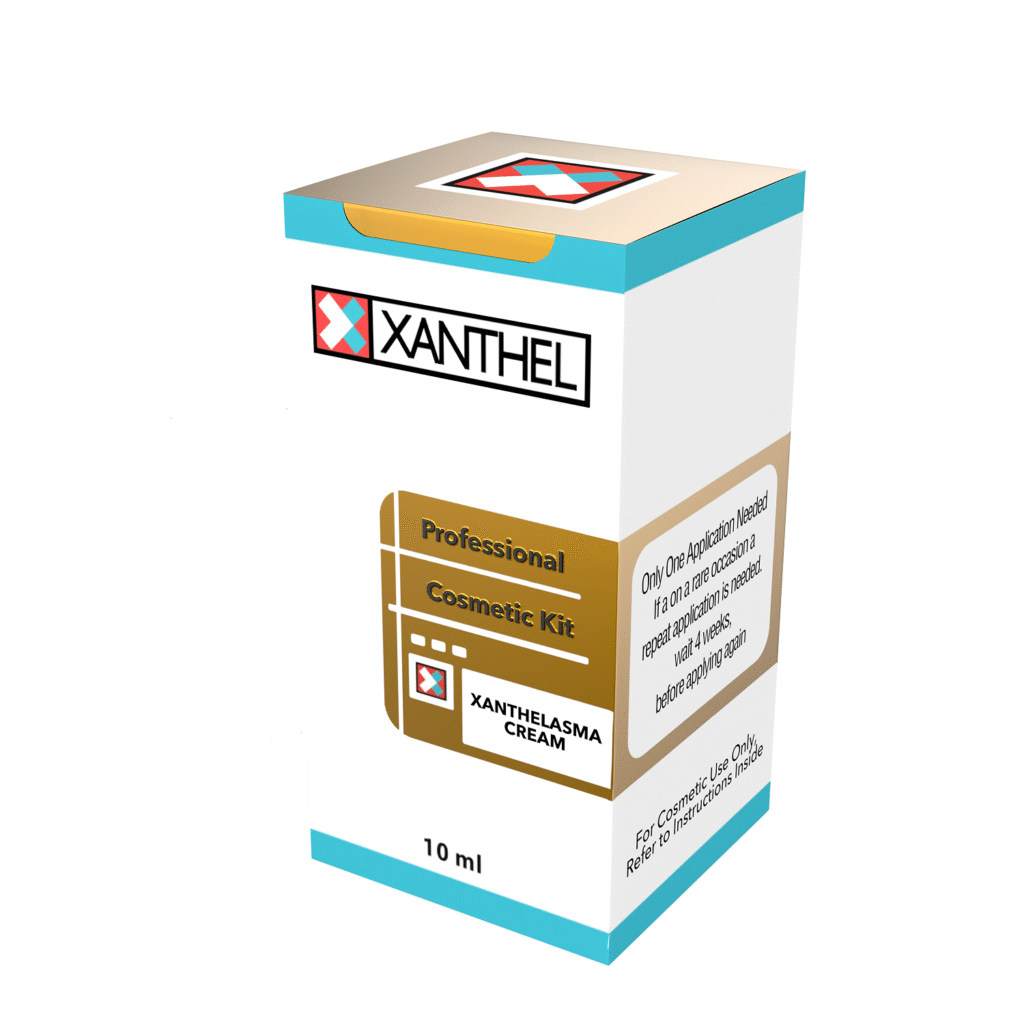
Xanthel ® for Xanthelasma Removal
Exploring Xanthel ® removal cream as a Treatment Option
Xanthel ® is developed to work on and remove the cholesterol laden cells that make up xanthelasma.
But what does this entail for you?
– Understanding the Process: Xanthel ® (available online) involves the application of a formulated solution that causes the cholesterol laden cells to shrive away. When it comes to xanthelasma, this treatment is designed to be fast and cost effective.
– Xanthel ®: Upon ordering online, the client gives various medical details, such as skintone, age of plaque etc. This way the formulated solution the client recive is dedicated to being the maximum effective treatment, removing the issues of scars and hypo-pigmentation.
– Procedure Expectations: Typically, this procedure is performed in a at home setting. The formualted solution is carefully applied, and you may feel some tingling or burning, but this is rare. After the treatment is removed, the treated area will gradually flake off, revealing new, rejuvenated skin.
Your treatment provider at Xanthel ® will guide you through the process, ensuring you understand the potential benefits and any limitations pertinent to your situation. By choosing a skilled and experienced professional team to formulate your treatment, you’re taking a proactive step toward improving your skin’s appearance.
Considering the Safety and Efficacy of Xanthel ®
While the prospect of smoother skin post-treatment is promising, it’s essential to consider both the safety and efficacy of Xanthel ®. Let’s delve into what you need to keep an eye out for:
– Safety Profile: Xanthel ® has been used for years and have a well-established safety profile, which is why it is one of the most common chosen options when it comes to xanthelasma removal.
– Potential Side Effects: As with any treatment, there can be side effects. While rare, these may include redness, swelling, and temporary changes in skin tone.
– Efficacy: Xanthel ® is very effective in diminishing the appearance of xanthelasma and removing it.
– Recurrence and Follow-up: Xanthel ® has a high track record in stopping regrowth of xanthelasma plaques. Your treatment professional may also recommend lifestyle changes, such as a cholesterol-lowering diet, as well.
Every treatment has its considerations, and Xanthel ® is no exception. Together, you can pave the path towards not only addressing your xanthelasma but also enhancing your overall skin health.

Extreme Heat Surgery for Xanthelasma
The Use of Heat in Treating Xanthelasma
When discussing xanthelasma removal, extreme heat surgery is one of the advanced options you may consider. This method, also known as electrocautery or thermal cautery, involves the use of heat to carefully evaporate the xanthelasma plaques. As you weigh your options, here’s what you need to know:
– Understanding the Procedure: During extreme heat surgery, a fine probe with an electric current is used to apply precise heat to the area, effectively reducing the xanthelasmas.
– Precision and Effectiveness: The technique allows for targeted treatment, which means healthy surrounding skin is less likely to be affected. Typically, the removal is quite effective in diminishing the appearance of these lesions.
– Sedation and Pain Management: In most cases, local anesthesia is applied to minimize discomfort during the procedure, ensuring a more pleasant experience for you.
– Recovery Expectations: Afterward, some swelling and redness are normal, and you’ll likely be given aftercare instructions to aid in a smooth recovery.
With its proven track record for efficacy, extreme heat surgery might be just the solution you’re looking for. If you’ve been hesitant about pursuing treatment, know that technology in this field has come a long way, often resulting in less discomfort and downtime than imagined.
Potential Complications and Healing Time
Acknowledging the potential complications and understanding the healing process are crucial steps before proceeding with extreme heat surgery. Here’s what you should be aware of:
– Risk of Scarring: While rare, there is a chance of scarring. A skilled professional can substantially lower this risk with precise technique and thorough aftercare guidance.
– Change in Skin Pigmentation: Some patients might experience a temporary or permanent change in skin color in the treated area, which may require further cosmetic treatment.
– Healing Duration: It may take a few weeks for full healing. During this time, it is essential to follow aftercare instructions to promote optimal recovery.
– Chance of Recurrence: Recurrence is a genuine possibility—even with successful removal. Ongoing monitoring and management of underlying conditions like cholesterol are recommended to lessen the likelihood of new xanthelasma forming.
Extreme heat surgery for xanthelasma removal is an efficient treatment that could offer lasting results. You are encouraged to discuss the entire scope of the procedure, potential side effects, and healing expectations with your healthcare provider. By educating yourself and preparing for the post-treatment process, you can make a well-informed decision and take firm control of your cosmetic and overall health journey.