
Tendon Xanthomata
What They Are, Why They Form, and Why They Matter
Tendon xanthomata are firm cholesterol nodules in the tendons, often at the Achilles or knuckles. Unlike the eyelid type, they are an important sign of an inherited cholesterol disorder worth taking seriously.
By Xanthelasma.com
What Are Tendon Xanthomata?
Tendon xanthomata (also called tendon xanthomas) are firm nodules that form within the tendons when cholesterol-rich material builds up inside them. They are most often felt over the Achilles tendon at the back of the ankle, and over the extensor tendons of the knuckles, the backs of the hands, and the elbows. Unlike soft skin marks, they are part of the tendon itself, slow-growing, firm to the touch, and can range from small to fairly large.
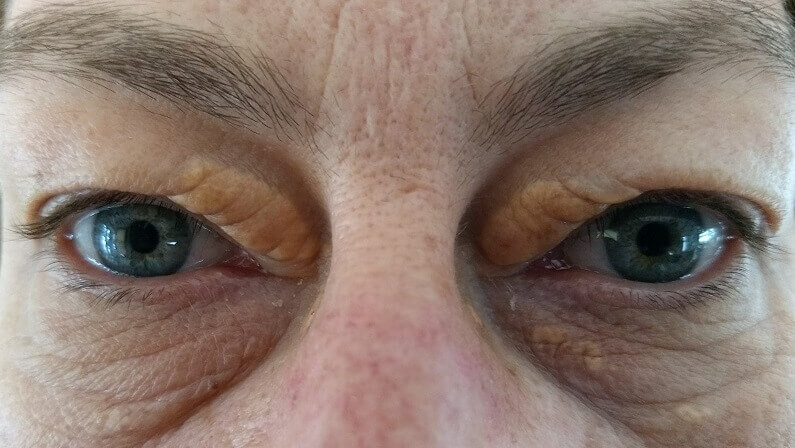
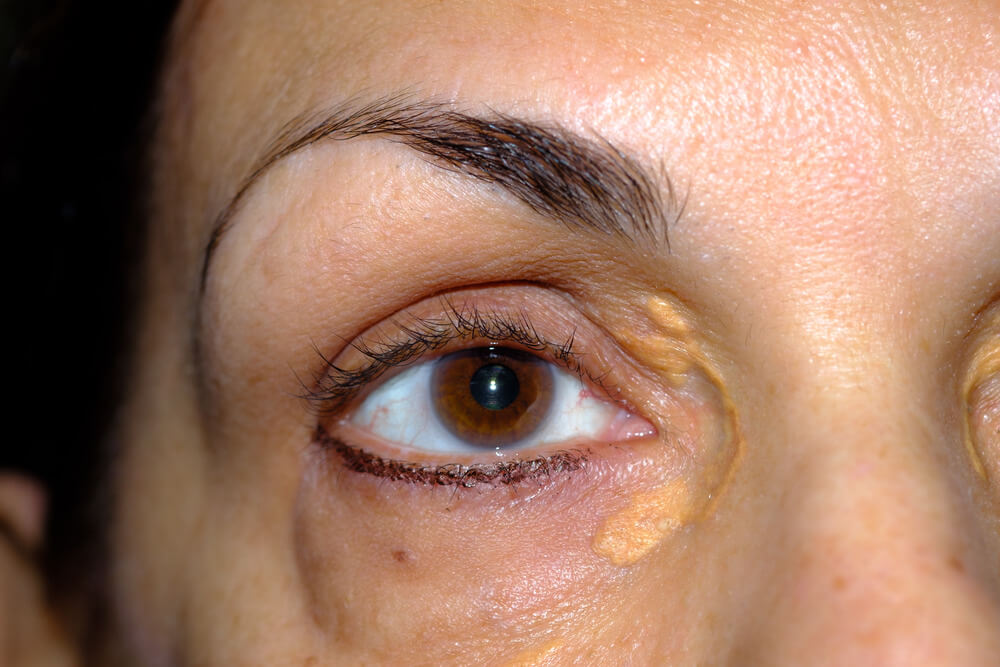
It is worth being clear at the start how these differ from xanthelasma, the soft yellow marks on the eyelids, because the names are similar but the significance is not. Xanthelasma is usually a minor cosmetic matter, and around half of people with it have normal cholesterol. Tendon xanthomata are different: they are a more reliable sign of a significant, often inherited, cholesterol disorder, and they genuinely warrant medical attention rather than cosmetic treatment. This page explains what they are, why they form, and what they mean for your health.
Why Tendon Xanthomata Form
Tendon xanthomata form as a direct consequence of persistently high levels of LDL cholesterol (the “bad” cholesterol) in the blood. When circulating LDL is very high over a long period, cholesterol gradually infiltrates the tendon tissue, settling between the collagen fibres. The body’s clean-up cells (macrophages) take up this cholesterol and become foam cells, lipid-laden cells that, together with a low-grade inflammatory response, build up into the firm nodules you can feel.
This is why tendon xanthomata are considered a meaningful clinical sign rather than a cosmetic one: they do not appear with ordinary, mildly raised cholesterol. They typically reflect markedly elevated LDL sustained over years, the kind seen in inherited lipid disorders. The nodules develop slowly and tend to persist; they do not resolve on their own, and the underlying high cholesterol is what drives them. Our overview of xanthoma generally explains how these cholesterol deposits form across the body.
The Link With Familial Hypercholesterolaemia
The most important association of tendon xanthomata is with familial hypercholesterolaemia (FH), an inherited disorder in which the body cannot clear LDL cholesterol from the blood efficiently, so levels are very high from a young age. Tendon xanthomata are one of the recognised physical signs of FH, and their presence is one of the clues doctors use when diagnosing it. They become more common with age in people who have FH.
FH is a genetic condition, usually passed down through families in a dominant pattern, meaning a parent with it has a meaningful chance of passing it on, so if you have tendon xanthomata or diagnosed FH, screening close relatives is worthwhile. The more severe form, where the faulty genes are inherited from both parents, produces very high cholesterol and signs from early life. Because FH is genetic, its very high cholesterol usually cannot be controlled by diet and lifestyle alone and generally needs medication. Our page on xanthomatosis covers the broader picture of cholesterol-deposit conditions.

Why They Matter: The Cardiovascular Connection
This is where tendon xanthomata differ most sharply from eyelid xanthelasma, and where they should not be dismissed. Because they signal sustained, markedly high LDL cholesterol, they also flag a raised risk to the heart and arteries. The same cholesterol depositing in the tendons can deposit in artery walls (atherosclerosis), which over time raises the risk of heart attack and stroke. So tendon xanthomata are, in effect, a visible warning sign on the outside of a process that may also be happening on the inside.
That is the reason they warrant proper medical assessment rather than being treated as a lump to remove. Identifying the underlying lipid disorder and managing it, through cholesterol-lowering treatment, lowers not just the burden of the xanthomata but, more importantly, the long-term cardiovascular risk. Found and managed early, the outlook is good; left unaddressed, the risk accumulates. This is a case where the skin (or tendon) sign is genuinely useful, because it can prompt life-protecting treatment.

How They Are Diagnosed and Managed
If tendon nodules are noticed, a doctor will examine the common sites (Achilles, knuckles, elbows) and feel for the characteristic firm lumps, sometimes using ultrasound or MRI to assess them, since imaging can reveal tendon involvement that is not obvious by touch alone. The key tests, though, are blood tests: a lipid profile to measure LDL cholesterol, which is typically high, and, where an inherited disorder is suspected, referral for further assessment and family screening.
Management focuses on the underlying cholesterol rather than the nodules themselves. Lipid-lowering medication, statins, often alongside other agents such as ezetimibe or, in genetic disorders, newer injectable treatments, is the mainstay, because the very high cholesterol of an inherited disorder usually needs more than lifestyle measures. A heart-healthy diet, regular activity, not smoking, and limited alcohol all support treatment and overall cardiovascular health. The nodules themselves may shrink slowly with good cholesterol control, though they do not always disappear entirely; surgical removal is occasionally considered if a nodule causes pain or restricts movement. Throughout, the priority is managing the lipid disorder and protecting the heart. Our page on xanthoma treatment covers this in more detail.

Tendon Xanthomata: The Bottom Line
Tendon xanthomata are firm cholesterol nodules within the tendons, most often at the Achilles, knuckles, and elbows, formed when persistently high LDL cholesterol infiltrates the tendon tissue. They are an important sign, frequently of an inherited cholesterol disorder such as familial hypercholesterolaemia, and unlike eyelid xanthelasma they warrant proper medical attention rather than cosmetic treatment.
Their real significance is the cardiovascular risk they flag, the same high cholesterol can affect the arteries, so identifying and managing the underlying lipid disorder matters for the heart, not just the nodules. If you have noticed firm lumps over your tendons, or have a family history of very high cholesterol, see your doctor for assessment. Our page on what xanthoma is gives the wider context. (If you were actually looking for the soft yellow marks on the eyelids, those are xanthelasma, a different and usually cosmetic matter.)
Common Questions About Tendon Xanthomata
What are tendon xanthomata?
Tendon xanthomata (or tendon xanthomas) are firm nodules that form within tendons when cholesterol builds up inside them, most often over the Achilles tendon, the knuckles, the backs of the hands, and the elbows. They are slow-growing and firm, and they are an important sign of a significant, often inherited, cholesterol disorder rather than a cosmetic concern.
What causes tendon xanthomata?
They form when persistently high levels of LDL cholesterol in the blood infiltrate the tendon tissue over years. Clean-up cells take up the cholesterol and become foam cells, which build up with a low-grade inflammatory response into firm nodules. This usually reflects markedly elevated cholesterol, the kind seen in inherited lipid disorders, not ordinary mildly raised cholesterol.
Are tendon xanthomata serious?
They are an important sign that should be assessed medically. In themselves the nodules are not dangerous, but they signal sustained, very high cholesterol, which raises the risk of atherosclerosis, heart attack, and stroke. So their significance is what they reveal about your cardiovascular risk. Found and managed early, the outlook is good; left unaddressed, the risk accumulates.
How are tendon xanthomata different from xanthelasma?
Xanthelasma are soft yellow marks on the eyelids, usually a minor cosmetic matter, and around half of people with them have normal cholesterol. Tendon xanthomata are firm nodules within the tendons and are a more reliable sign of a significant, often inherited, cholesterol disorder. Despite the similar names, tendon xanthomata warrant medical attention rather than cosmetic treatment.
Are tendon xanthomata a sign of familial hypercholesterolaemia?
They are one of the recognised physical signs of it. Familial hypercholesterolaemia is an inherited disorder causing very high LDL cholesterol from a young age, and tendon xanthomata are among the clues doctors use to diagnose it. Because it is genetic and usually passed down through families, screening close relatives is worthwhile when it is found.
Can tendon xanthomata be removed or cured?
Management focuses on the underlying cholesterol rather than the nodules. With good cholesterol control through medication and lifestyle, the nodules may shrink slowly, though they do not always disappear entirely. Surgical removal is occasionally considered if a nodule causes pain or restricts movement. The priority is treating the lipid disorder to protect the heart, not just removing the lumps.
What should I do if I think I have tendon xanthomata?
See your doctor for assessment, especially if you also have a family history of very high cholesterol or early heart disease. They will examine the common sites, check your cholesterol with a blood test, and arrange further assessment if an inherited disorder is suspected. Early identification allows treatment that lowers both the nodules and, more importantly, your cardiovascular risk.
Will managing my cholesterol make tendon xanthomata go away?
Good cholesterol control can reduce the nodules over time, but they may not vanish completely, and the main goal of treatment is protecting your heart and arteries rather than clearing the lumps. Because the high cholesterol behind tendon xanthomata is often genetic, it usually needs medication alongside lifestyle measures to bring it down effectively.
This page is for general information about tendon xanthomata and is not medical advice. Tendon xanthomata can be a sign of a significant, often inherited, cholesterol disorder linked to cardiovascular risk, so if you have noticed firm nodules over your tendons, or have a family history of very high cholesterol or early heart disease, see your doctor or a lipid specialist for proper assessment, diagnosis, and management.