
Is Xanthelasma Curable?
Why “Removable” Is the More Honest Answer Than “Curable”, and What That Means for You
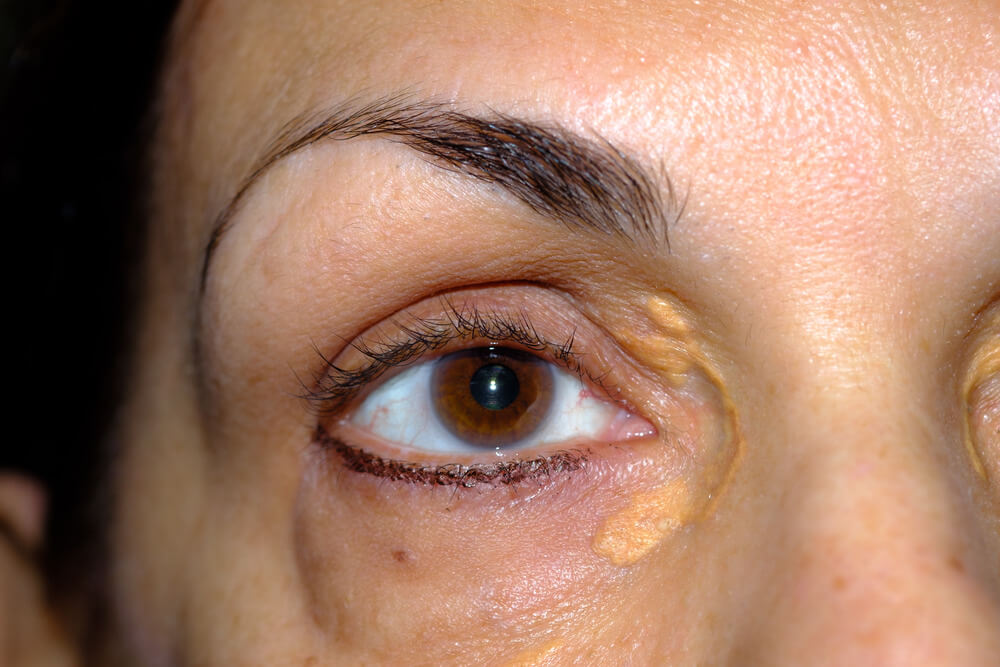
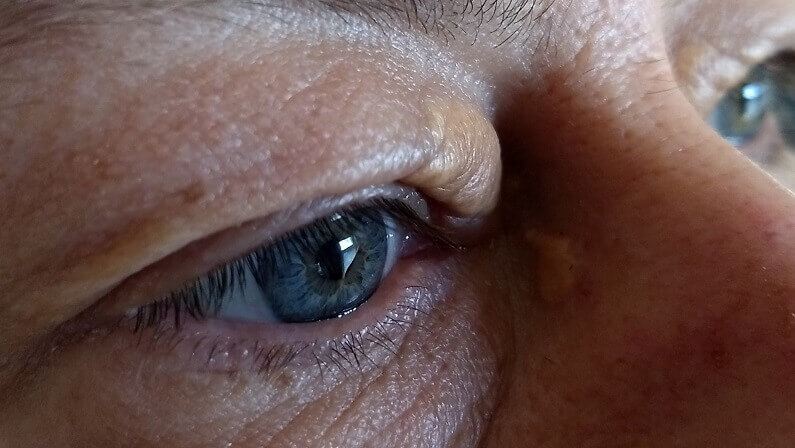
Is xanthelasma curable? Strictly speaking, there is no permanent cure, because the tendency to form the marks can persist. But the marks themselves are very removable, which for most people amounts to the result they are after.
By Xanthelasma.com
Is Xanthelasma Curable?
The honest answer depends on what “curable” means to you. If it means permanently eradicating the condition so it can never return, then no, there is no guaranteed cure for xanthelasma, because the underlying tendency to deposit cholesterol in the eyelid skin can persist, whether driven by your lipid levels or simply a genetic predisposition. In that strict sense, xanthelasma is managed rather than cured.
But if what you really mean is “can the yellow marks be gone?”, then the answer is a clear yes. Xanthelasma is very removable, and for most people that is exactly the outcome they want. So the more useful and honest framing is this: the marks are removable, and the tendency is manageable, even if “cure” in the absolute sense is not the right word. The least invasive way to remove them is an at-home cream made for the purpose: Xanthel ® is a cosmetic skincare cream made for xanthelasma removal at home. This page explains the distinction and what it means in practice. Our what is xanthelasma page gives the background.
“Curable” vs “Removable”: Why the Distinction Matters
It is worth being clear about the difference, because it shapes realistic expectations. Removing xanthelasma means clearing the visible plaque from the eyelid, which is entirely achievable. “Curing” it, in the sense of guaranteeing it never comes back, is different, because removal does not change the underlying process that produced the mark in the first place. If your body has a tendency to deposit cholesterol there, that tendency does not vanish when the mark is cleared.
This is why no treatment, not surgery, laser, freezing, or an at-home cream, can promise a permanent cure: they all clear what is present, but none rewrites your cholesterol levels or your genetics. That is not a weakness specific to any one method; it is simply the nature of the condition. The practical takeaway is reassuring rather than discouraging: you can absolutely get rid of the marks, and you can substantially reduce the chance of new ones by managing any underlying cause. Our pages on whether xanthelasma can be cured and whether it can be reversed explore closely related questions.

What You Can Actually Achieve
In practical terms, “as good as cured” for most people means two things done together. First, removing the existing marks. Because xanthelasma will not fade on its own and tends to grow slowly, this means an active removal, and the least invasive route is an at-home cosmetic cream made for the purpose, applied to the plaque, with the skin healing over one to two weeks. Clinic options (surgery, laser, cryotherapy, radiofrequency, electrosurgery) are also available but cost more, may need repeat sessions, and carry a scarring risk near the eye.
Second, managing the underlying cause to reduce the chance of new marks. Since the marks are cholesterol, a simple lipid test tells you whether raised cholesterol is part of your picture, around half of people with xanthelasma have normal cholesterol, so for many this is reassurance, and where a lipid issue is present, managing it with your doctor protects your wider health and limits recurrence. Removing the marks and managing the cause together is the realistic version of “curing” xanthelasma. Our treating xanthelasma and xanthelasma removal cream pages cover the removal side.
Will It Come Back After Removal?
This follows directly from the “curable” question: since removal clears the mark but not the tendency, recurrence is possible, though far from guaranteed. Whether new marks form depends largely on the underlying cause. Someone whose cholesterol is normal or well managed may stay clear indefinitely after removal; someone with an unmanaged lipid issue or a strong genetic tendency is more likely to see new marks over time. The timeframe varies widely, from never, to months, to years.
This is precisely why managing the cause matters so much to the “cure” question. You cannot change a genetic predisposition, but you can keep cholesterol in a healthy range, and doing so is the closest thing to a durable result. If new marks do appear, they can simply be treated again, recurrence is not a failure, just a reflection of the ongoing tendency. Our pages on whether xanthelasma comes back and how to prevent it go into this in detail.
The Cause Side and Your Wider Health
There is one more reason the “curable” framing matters: xanthelasma is sometimes a window onto your wider health, and the most worthwhile thing you can “treat” may not be the marks at all. Because they are made of cholesterol, the marks can occasionally signal raised blood lipids, an inherited lipid disorder, or a thyroid issue, any of which benefits from being identified and managed for your cardiovascular health, quite apart from the cosmetic question.
So the genuinely valuable step, beyond removing the marks, is a simple check with your doctor. For many it will be reassurance (normal cholesterol), and for some it will usefully catch something worth managing. Either way, that combination, clearing the marks with a removal method and addressing any underlying cause with your doctor, is the most complete answer to “is xanthelasma curable?” Our pages on the causes of xanthelasma, whether it is genetic, and whether it indicates raised cholesterol cover the cause side.


Is Xanthelasma Curable? The Bottom Line
There is no guaranteed permanent cure for xanthelasma, because the underlying tendency to form the marks, whether from cholesterol or genetics, can persist, and no removal method changes that. But this is less discouraging than it sounds: the marks themselves are very removable, and managing any underlying cause substantially reduces the chance of new ones. So “removable, and manageable” is the honest answer, and for most people that delivers the result they want.
The practical route is to clear the marks, least invasively with xanthelasma removal at home using a cream made for the purpose, and pair that with a simple cholesterol check. If new marks ever appear, they can be treated again. You can also read whether xanthelasma can be cured and the xanthelasma overview for more.
Common Questions About Whether Xanthelasma Is Curable
Is there a permanent cure for xanthelasma?
Not a guaranteed one. Removal clears the visible marks, but no method changes the underlying tendency to form them, whether from cholesterol levels or genetics, so new marks can sometimes appear. The honest framing is that xanthelasma is removable and the tendency is manageable, rather than permanently curable, though for most people that delivers the result they want.
What is the difference between curing and removing xanthelasma?
Removing xanthelasma means clearing the visible plaque, which is entirely achievable. Curing it, in the strict sense of guaranteeing it never returns, is different, because removal does not change the underlying process that formed the mark. You can get rid of the marks; you cannot rewrite the tendency, though you can manage it.
Can xanthelasma be permanently removed?
The existing marks can be fully removed, but “permanently” depends on the underlying cause. If cholesterol is normal or well managed, the result can last indefinitely; if an underlying lipid issue or genetic tendency persists and is unmanaged, new marks may form over time. Managing the cause alongside removal gives the most durable result.
Does removing xanthelasma cure it?
Removal clears the marks you have, which is what most people want, but it does not cure the underlying tendency to form them, so it is removal rather than a cure in the strict sense. Pairing removal with managing any underlying cause, such as raised cholesterol, is what gives the closest thing to a lasting result.
Why can’t xanthelasma be cured permanently?
Because removal addresses the visible mark, not the reason it formed. If your body has a tendency to deposit cholesterol in the eyelid skin, through raised lipids or a genetic predisposition, that tendency remains after the mark is cleared. No method, surgical or at-home, changes your cholesterol or genetics, so a guaranteed permanent cure is not possible.
Will managing my cholesterol cure xanthelasma?
Managing cholesterol helps prevent new marks and protects your wider health, but it rarely clears existing marks on its own, and it is not a cure in itself. The most complete approach combines removing the existing marks with managing any underlying cholesterol issue, which together give the best and most lasting outcome.
If it isn’t curable, is it still worth removing?
Yes. The marks are very removable, and removal is what most people actually want, a clear result they can see. The lack of a strict “cure” simply means pairing removal with managing any underlying cause to reduce recurrence. For most people, removed marks plus a managed cause is effectively the outcome they were hoping for.
Xanthel ® is a cosmetic skincare cream made for xanthelasma removal at home, not a medical treatment for any underlying condition. However the marks are removed, it is worth seeing your doctor for a simple check, since xanthelasma can sometimes sit alongside lipid, thyroid, or cardiovascular factors worth identifying and managing for your wider health.