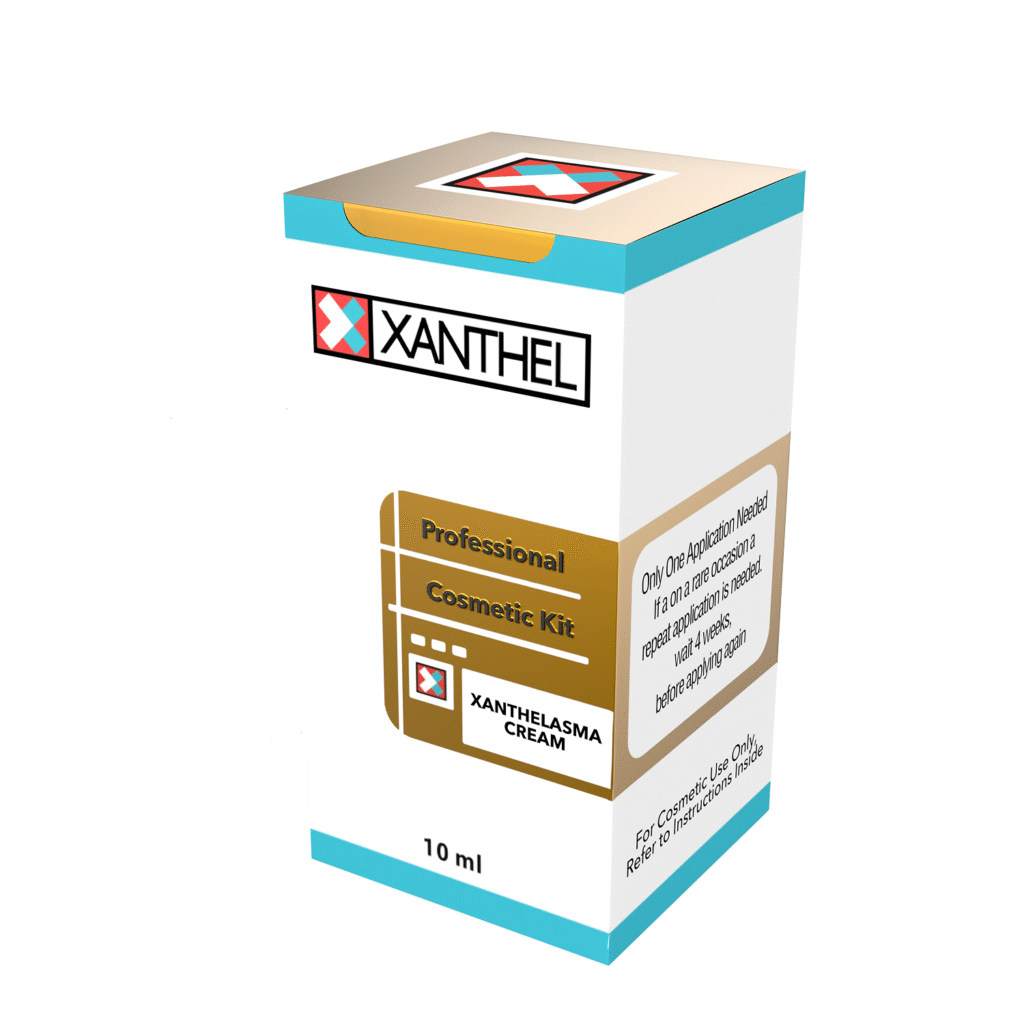
Xanthelasma Home Removal
Exploring Xanthelasma and Its Causes
– Definition: Xanthelasma palpebrarum is a condition characterized by the formation of yellow cholesterol deposits around the eyelids.
– Appearance: These deposits present themselves as asymmetric yellow patches, typically located at the center or corners of the eyelids.
– Prevalence: Initially, you might notice only one bump, but over time, multiple deposits can develop.
– Benign Nature: While xanthelasma itself is harmless and doesn’t affect eyelid function, it might signify high cholesterol levels.
– Cosmetic Concern: Due to these cholesterol deposits being visible, many people opt for removal primarily for aesthetic reasons rather than health concerns.
– Link to Cholesterol: High blood cholesterol is a common underlying issue for individuals with xanthelasma. The presence of these deposits can be an external sign your cholesterol levels are elevated beyond the norm.
– Exceptions: In some cases, you might have xanthelasma even if your cholesterol levels are within a healthy range. This can point to other possible factors contributing to their development.
Importance of Seeking Professional Advice
– Early Detection: The ideal time to consult a dermatologist about xanthelasma removal is when you first observe the yellowish patches. An early diagnosis can help address the condition before it becomes more pronounced.
– Health Risks: Although xanthelasma is not directly harmful, it is linked to cholesterol issues. Prolonged high cholesterol can lead to severe complications like artery blockage, which in turn increases the risk of stroke, heart attack, and other cardiovascular conditions.
– Expert Consultation: A dermatologist can accurately diagnose and propose treatment options for xanthelasma, ensuring that both the aesthetic and potential underlying health issues are managed.
– Treatment Options: Several methods are available for removing xanthelasma, like Xanthel ®, laser therapy, and surgical excision. Professional advice is crucial to choose the most appropriate and effective treatment.
– Monitoring: Regular check-ups and monitoring of your cholesterol levels are also important, whether you have xanthelasma or not, to prevent future health risks.
Through understanding your unique condition and seeking timely professional advice, you can ensure that both the visual aspect of xanthelasma and its potential health implications are tended to with precision and care. Remember, keeping your cholesterol in check is not only about avoiding these yellow patches but more importantly, about maintaining overall cardiovascular health.

Garlic Therapy: A Popular Home Remedy
If you’ve spotted yellowish bumps around your eyes and are curious about what can be done about them, you may be facing a common condition known as xanthelasma palpebrarum. These cholesterol deposits can be a little unsettling to see, but there are natural methods you can employ to try to reduce their appearance. One such remedy that’s been discussed among natural health circles is garlic therapy. Here, we’ll delve into the benefits and safe application of garlic to address these cholesterol deposits.
Benefits of Garlic for Xanthelasma
Cholesterol-Lowering Properties: Garlic is touted for its ability to help reduce cholesterol levels in your body, which can be directly beneficial since xanthelasma is linked with high cholesterol.

Natural Anti-inflammatory: The anti-inflammatory properties of garlic may help reduce the size of the deposits without the need for invasive treatments.
Antioxidant Rich: Garlic is high in antioxidants, which protect your body from oxidative damage, possibly preventing the formation of new cholesterol deposits.
Before you rush to apply garlic to your skin, remember that prevention is key. Combining regular exercise, maintaining a healthy diet, and possibly medication (as prescribed by a healthcare provider) can all be part of managing and preventing xanthelasma. However, suppose you’re interested in trying garlic as a home remedy. In that case, you must proceed with caution and understand the proper way to apply garlic paste to minimize any potential skin irritation.
How to Apply Garlic Paste Safely
Step 1: Crush fresh garlic cloves into a paste. Though store-bought garlic paste might seem convenient, fresh garlic is recommended to ensure potency and natural oils.
Step 2: Before applying garlic directly to the affected area, conduct a patch test on a different skin area to ensure you don’t have a garlic sensitivity that could cause a reaction.
Step 3: Apply a small amount of the paste to the xanthelasma spots, being careful to avoid direct contact with the eyes, as garlic can be quite irritating.
Step 4: Leave the paste on for about 10 to 15 minutes. Be attentive to any burning sensations; if you experience discomfort, rinse the area immediately with lukewarm water.
Step 5: After the time has elapsed, wash the area gently and pat dry.
Step 6: Monitor the skin for any adverse reactions. Some redness is normal, but watch for signs of a significant burn or irritation.
Repeating this process over time may reduce the appearance of cholesterol deposits, but results can vary. Always consult with a healthcare professional before starting any home treatment, especially if you have sensitive skin or other medical concerns.
It’s important to underscore that you should not attempt to pop or extract the cholesterol deposits yourself. This type of self-treatment can lead to infection, scarring, and additional pain — outcomes that are best avoided. A professional healthcare provider should be the one to perform any physical removal if it is deemed necessary and safe for your specific case.

The Role of Diet in Managing Xanthelasma
Making dietary changes is one of the key strategies you can adopt to manage xanthelasma. Since these cholesterol deposits are associated with high levels of cholesterol in the blood, adjusting what you consume can significantly impact their formation and potentially reduce existing deposits.
Dietary Changes to Consider
Reduce Intake of Saturated Fats: Foods high in saturated fats can increase cholesterol levels, so it’s wise to limit consumption of red meats, full-fat dairy products, butter, and processed foods.
Increase Fiber Intake: Fibre, especially soluble fiber found in foods like oats, fruits, vegetables, and legumes, can help lower cholesterol absorption in your bloodstream.
Opt for Healthy Fats: Replace unhealthy fats with healthier ones found in fish, nuts, avocados, and olive oil, which can help improve your overall lipid profile.

Add Plant Sterols and Stanols: These substances, found in fortified foods, can block the absorption of cholesterol in the intestines and help lower LDL (bad) cholesterol levels.
Consume Omega-3 Fatty Acids: Fatty fish like salmon, mackerel, and sardines are high in omega-3 fatty acids, which are beneficial for heart health and may help reduce cholesterol levels.
Stay Hydrated: Adequate water intake can have a range of health benefits and may assist in managing cholesterol.
You should formulate a balanced meal plan that includes a rich variety of nutrients and is tailored to your individual health needs. It’s best to consult with a dietician or nutritionist who can provide personalized advice based on your health status, dietary preferences, and goals related to managing xanthelasma.
Limit Alcohol Consumption to Two Drinks Daily
For adults who choose to drink alcohol, moderation is key. You may reduce your risk of further health complications by:
Limiting alcohol intake to no more than two drinks per day for men and one drink per day for women – as defined by the U.S. Dietary Guidelines for Americans.
Choosing drinks lower in alcohol content: If you do consume alcohol, opt for beverages with lower alcohol percentages to reduce overall intake.
Monitoring drinking patterns: Regularly drinking above the recommended limits can raise your cholesterol and triglyceride levels, thus potentially worsening xanthelasma.
Making informed choices: Be aware of situations in which you may be inclined to exceed these limits and plan strategies to moderate your consumption.
In in reflection, while garlic therapy might offer a supplementary approach to dealing with xanthelasma, it is clear that lifestyle modifications—especially diet—play a crucial role. By making informed decisions about what you eat and drink, you may be able to manage your cholesterol levels more effectively and potentially reduce the size and occurrence of cholesterol deposits. Before making any significant changes to your diet or trying new treatments, always consult with healthcare professionals to ensure that your chosen strategies are safe and appropriate for your specific health profile.

Xanthel ® For Xanthelasma Removal
This treatment is less invasive than other xanthelasma treatments. Using a formulated solution, it is applied by the client at home to treat and remove their xanthelasma.
Xanthel ® as the best option for Xanthelasma?
Xanthel ® is effective due to it being formulated to work with the clients skin tone and other parameters. This makes it effective in treating the xanthelasma, but also leaving the healthy skin to heal over time. After treatment the natural state of the skin will come back, with the area where the xanthelasma used to be, looking like normal skin.
– One application: Even though enough is supplied to compliment secondary treatment for the xanthelasma, only one treatment is needed to reduce and remove the xanthelasma plaques.
– Simple to use: The treatment comes with a simple guide on how to apply the Xanthel ® and how to treat the area after application. This makes sure the treatment is successful and that there are no sacrs left after the skin has healed.
– After Care: To make sure the treatment is effective and causes minimum issues when healing, the application of a anti-bacterial cream to the treated area is recommedned to get the best results.

It’s important to remember that while Xanthel ® is appealing due to it’s accessibility and affordability, following the simple treatment guide is needed to make sure the xanthelasma is removed in just one treatment.

Safety Considerations for Home Treatments
When attempting to treat cholesterol deposits around your eyes at home, safety should be your paramount concern. You may come across numerous home remedy suggestions, but it is critical to sift through them with a discerning eye, fully aware of potential risks and complications.
Understanding Potential Risks and Complications
Attempting to address cholesterol deposits at home can have various risks, particularly if you consider invasive methods such as popping the deposits or using unverified substances.
– Risk of Infection: Home attempts at removing xanthelasma can breach the skin’s protective barrier, leading to possible infections.
– Scarring Possibility: Even if an infection is avoided, improperly handling the skin can cause scarring, which may be permanent and more noticeable than the deposits themselves.
– Irritation and Allergic Reactions: The use of natural or over-the-counter products without proper guidance can result in skin irritation or serious allergic reactions, exacerbating the problem.
– Interaction with Medications: Without professional oversight, there’s a chance of contraindication if the substances used conflict with any medications you’re currently taking.
You must adhere strictly to safe, non-invasive home remedies and understand that natural treatments are often supportive measures rather than solutions. The Reality of Home Xanthelasma Removal
Debunking Myths About Xanthelasma Home Removal
It’s imperative you understand the reality of home treatments for xanthelasma. Despite what you might have heard or read, home remedies are not a magical solution for this condition. Here are the facts:
– Ineffectiveness of Home Treatments: Many home remedies lack scientific support and may not effectively treat xanthelasma. This includes the use of garlic, castor oil, or apple cider vinegar, which are commonly mentioned in online forums.
– Potential for Harm: Applying untested substances around the sensitive area of your eyes can lead to irritation, burns, or other damage, potentially worsening the appearance or causing long-term harm.
– Misguidance About Results: Anecdotal success stories are often misleading and fail to account for individual variations in skin type, the size and depth of the lesions, and underlying health conditions.
Before trying any home remedies, consult with your dermatologist to discuss the best and safest treatment options for your xanthelasma. Professional advice is key in such matters, particularly when it comes to your eyes and skin health.
Recognizing the Limitations of Home Treatments
Understanding the limits of what you can do at home for xanthelasma removal is crucial. Here’s what you should keep in mind:
– Surface-Level Treatment: Most home remedies only affect the surface of the skin and are unlikely to address the underlying cholesterol deposits causing xanthelasma.
– Lack of Personalization: Your condition is unique to you. Home treatments take a one-size-fits-all approach that ignores the importance of a personalized treatment strategy.
– Risk of Incomplete Removal: Without professional assessment, you might partially remove the lesions or leave behind scarring, often leading to dissatisfaction with the cosmetic outcome.
Your health should never be compromised. If you notice yellow patches on your eyelids, the best thing to do is schedule a visit with a dermatologist as soon as possible. They will not only discuss removal options but also lifestyle changes, such as losing weight, starting a healthful diet, exercising regularly, reducing alcohol intake, quitting smoking, and taking prescribed medications to manage cholesterol levels. Remember that xanthelasma might be harmless initially, but if your cholesterol is not within safe limits, the deposits can also contribute to clogging your arteries over time, potentially leading to severe conditions like strokes and heart attacks.
To protect your health and appearance, place your trust in qualified professionals for xanthelasma treatment rather than taking risks with unproven home remedies. Your safety and well-being should always come first.

The Importance of Multiple Treatment Sessions
How Treatments Progress Over Time
As you explore potential treatments for xanthelasma, it’s important to understand that multiple sessions may be necessary to achieve optimal results if you try natural ingredients, such as garlic. Here’s what you should consider in terms of treatment progression:
– Gradual Improvement: Xanthelasma removal is a process that can require several treatments, especially for larger or deeper lesions. Each session aims to reduce the size and appearance progressively.
– Healing Time: Your skin needs time to heal between treatments. This period allows your dermatologist to assess effectiveness and plan the next steps accordingly.
– Adjusting Techniques: Depending on how your skin responds, your healthcare provider may adjust the treatment modality, intensity, or duration.
– Consistency: Maintaining scheduled treatment sessions is key to possible success with natural treatments. Your dedication to the full course of treatments will contribute significantly to the outcome.
Setting Realistic Expectations for Natural Home Treatments
If you’re contemplating home treatments for xanthelasma, it’s important to set realistic expectations. Here’s what you need to know about managing your condition outside of a professional clinical setting:
– Slow Progress: Home remedies, such as garlic or castor oil, often show progress over an extended period, if at all. Unlike professional treatments, the results are not as immediate or predictable.
– Research: Make sure to thoroughly research and consult with a healthcare professional before trying any home remedies to avoid adverse effects.
– Monitoring: While attempting home treatment, keep a close watch on the affected area for any signs of skin irritation, discoloration, or infection.
– Awareness: Understand that home remedies are not a substitute for professional healthcare services, especially when dealing with the sensitive eye area.
While the allure of self-treatment can be strong due to perceived convenience or cost savings, remember that the expertise that healthcare professionals offer—such as those at Royal Lush Skin and Laser Clinic—cannot be replicated at home. You should reserve home treatments for milder cases or use them as a supplementary measure to professional dermatological care, always in consultation with your healthcare provider.
Understanding Xanthelasma Palpebrarum and your health
What Xanthelasma Palpebrarum Means for Your Health
As you become aware of yellow patches near your eyelids, it’s critical to recognize potential health implications. These patches, known as Xanthelasma Palpebrarum, are cholesterol deposits and may be indicative of underlying health issues:
– Risk of Cardiovascular Diseases: The presence of these cholesterol deposits could signal elevated blood cholesterol levels, which increase the risk of heart disease, stroke, and other cardiovascular conditions.
– Significance of Early Detection: Early consultation with a dermatologist is advisable upon noticing these signs, as xanthelasma can sometimes herald more severe health issues.
– Non-restrictive to High Cholesterol: It’s also worth noting that even with normal cholesterol levels, you may develop xanthelasma due to genetic factors, liver function, and other health variables.

In Reflection
Summarizing Effective Approaches to Xanthelasma Removal
To achieve the desirable aesthetic result safely and effectively, here are some strategies to consider:
– Prioritize a consultation with a qualified dermatologist at the first signs of xanthelasma.
– Weigh treatment options, including surgery and topical treatments, based on professional recommendations.
– Understand that multiple, spaced-out sessions might be necessary for successful xanthelasma removal.
– Consider the potential health implications beyond cosmetic concerns, and possibly seek a full health evaluation to address underlying issues.
Final Thoughts on Home Treatment Versus Professional Care
It’s essential to differentiate between the allure of at-home remedies and the efficacy of professional medical treatments:
– Acknowledge that home treatments might not be as effective and carry risks, especially when used improperly or without guidance.
– Recognize the value of professional care, particularly in terms of safety, effectiveness, and overall health implications.
– Embrace that xanthelasma treatment is a health investment, with professional care providing not just cosmetic enhancements but potentially important insights into your broader health status.