
What Causes the Yellow Eyelid Plaques, From Cholesterol to Genetics
If you have developed xanthelasma and want to understand why, this page walks through the real causes, from cholesterol and genetics to liver, thyroid, and lifestyle factors, and explains how to clear the visible marks while you manage the cause with your doctor.
By Xanthelasma.com
What Xanthelasma Is, and Why the Cause Matters
Xanthelasma are the soft yellow patches that form on or near the eyelids, made of cholesterol that has built up beneath the skin. They can be flat or slightly raised, and while they are not harmful in themselves, they are worth understanding because they can occasionally point to something about how your body handles fats.
That said, the cause and the cure are two separate questions, and it helps to hold them apart from the start. The cause sits inside your body, in your cholesterol, genetics, or related health factors, and that is your doctor’s territory. The visible mark on your eyelid is a cosmetic matter you can deal with directly. Xanthel ® is a cosmetic skincare cream formulated to remove xanthelasma plaques at home, so as you read through the causes below, know that there is already a straightforward answer to the “how do I get rid of them” side. Our overview of what xanthelasma is is a useful companion to this page.

Cholesterol and Xanthelasma
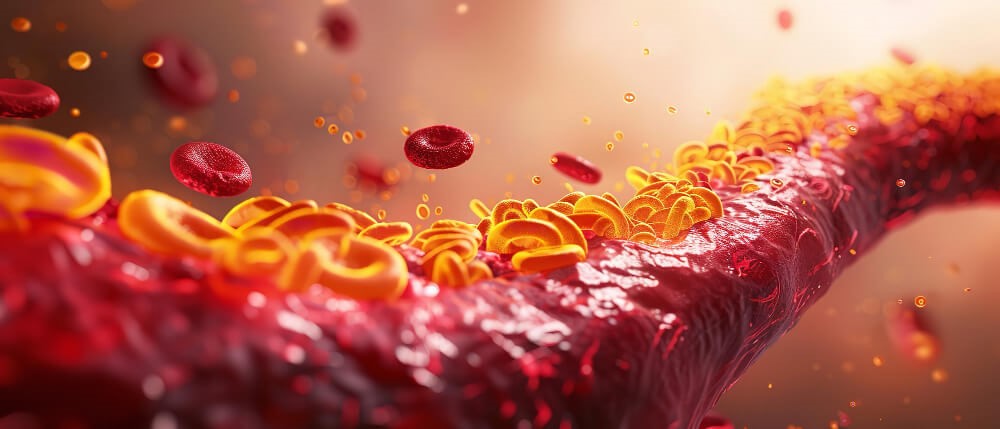
The most common thread behind xanthelasma is cholesterol. When there is excess cholesterol in the bloodstream, it can deposit under the skin, and around the eyelids those deposits form the yellow plaques. High LDL (the “bad” cholesterol) and low HDL (the “good” cholesterol) are the usual culprits, and raised triglycerides can play a part too.
This is why xanthelasma is sometimes treated as a visible cue to check your heart health: similar cholesterol buildup can be happening in your arteries. So a lipid blood test is a sensible step if you notice the marks. But it is worth being clear about the limits of this: lowering your cholesterol protects your cardiovascular health and may slow new deposits, yet it rarely clears the plaques already sitting on your eyelids. Those usually need direct removal, which is the gap our at-home removal cream is built to fill. Managing cholesterol and removing the visible marks are two jobs that work best done together.
Genetic Factors
For a lot of people, the honest answer to “why me” is genetics. A family history of high cholesterol can predispose you to xanthelasma, and inherited conditions like familial hypercholesterolemia, which drives very high LDL from a young age, raise the likelihood considerably. If xanthelasma runs in your family or appears early in life, your doctor may suggest screening to understand your personal risk.
Ethnic background may play a role too, with some research suggesting people of Asian and Mediterranean descent can be more prone to the deposits, partly through genetics and partly through dietary patterns. The practical point in all of this is reassuring: if your xanthelasma is largely down to an inherited tendency, it is not something you caused, and it does not necessarily mean your cholesterol is high. A quick check with your doctor settles the underlying question, and our piece on why you might have got xanthelasma covers the personal-risk angle in more depth.

Liver Function and Xanthelasma
Your liver does much of the work of processing fats and clearing cholesterol, so when it is not working well, cholesterol can build up in the bloodstream and contribute to xanthelasma. Most people with xanthelasma have a perfectly healthy liver, but certain liver conditions are known to play a part.
The ones worth knowing about are primary biliary cirrhosis, an autoimmune condition that affects bile flow, chronic hepatitis, which can disrupt lipid processing, and again familial hypercholesterolemia, which raises LDL. If your doctor suspects a liver-related cause, a simple liver function test can check. As always, this underlying side is medical and belongs with your doctor, while the visible eyelid marks remain a separate cosmetic issue you can address on their own terms.

Lipid Disorders
Beyond everyday raised cholesterol, several specific lipid disorders can drive xanthelasma. Hyperlipidemia, meaning abnormally high levels of fats in the blood, is a major contributor, particularly when LDL cholesterol is high. It can be inherited or driven by diet and lifestyle, and your doctor can manage it with lifestyle changes and, where needed, lipid-lowering medication.
Other lipid disorders to be aware of include dyslipidemia (a broad term for abnormal lipid levels), combined hyperlipidemia (raised cholesterol and triglycerides together), the rare familial lipoprotein lipase deficiency, and hypothyroidism, which can push cholesterol up by slowing the metabolism. The common theme is that these are all treatable, and catching them early through a blood test protects far more than your appearance. The deposits themselves, meanwhile, can be cleared cosmetically regardless of which lipid disorder is behind them. Our guide to tendon xanthomas covers how these same lipid issues can show up elsewhere on the body.

Metabolic and Endocrine Disorders
Two conditions deserve a particular mention because they so often sit behind xanthelasma: diabetes and thyroid dysfunction. With type 2 diabetes, insulin resistance and disrupted metabolism can push blood lipids up and make cholesterol harder to control, which encourages the deposits. Keeping blood sugar well managed reduces that risk.
An underactive thyroid (hypothyroidism) has a similar effect, slowing the metabolism and raising cholesterol, which can in turn promote xanthelasma. The good news is that both are manageable: diabetes through diet, activity, and medication, and hypothyroidism through thyroid hormone replacement, both monitored by your doctor. If you have either condition and notice xanthelasma, treat it as a useful prompt to review how well it is controlled. And remember the recurring principle: managing these conditions is your doctor’s job, while clearing the visible marks is something you can do separately with a cosmetic approach.

Lifestyle and Environmental Factors
Some of what drives xanthelasma is within your control, and the same habits that lower cardiovascular risk also help here. A balanced diet rich in fruit, vegetables, whole grains, and lean protein, with less saturated and processed fat, supports healthier cholesterol. Keeping a healthy weight matters, since excess weight raises lipids. Regular exercise lifts HDL and lowers LDL, with around 150 minutes of moderate activity a week a reasonable target.
Smoking and heavy drinking both push in the wrong direction: tobacco harms blood vessels and worsens lipid problems, and excess alcohol raises cholesterol and strains the liver, itself a risk factor. None of this is about blame, plenty of people with healthy lifestyles still get xanthelasma through genetics, but if any of these factors apply to you, addressing them helps limit new deposits. Our guidance on how to prevent xanthelasma goes further on the daily-habits side.

Xanthelasma As a Risk Indicator

It is worth taking xanthelasma seriously as a signal, even though the marks themselves are harmless. Because they reflect cholesterol building up under the skin, similar buildup can be occurring in the arteries, a process called atherosclerosis that raises the risk of heart disease and stroke. Several studies have found a higher prevalence of atherosclerosis among people with xanthelasma.
That does not mean the marks are dangerous, it means they are a useful early prompt. If you develop xanthelasma, a lipid profile and a general cardiovascular check with your doctor are sensible, and from there you can manage any risk through lifestyle, diet, and medication if needed. The removal of the marks themselves is purely cosmetic and will not change your cardiovascular risk, which is exactly why the two-track approach makes sense: let your doctor handle the heart-health side, and let Xanthel ® handle the visible deposits. You can compare the full range of removal options if you want to see how the cosmetic routes stack up.

The Causes of Xanthelasma, in a Nutshell
Pulling it together, xanthelasma is usually driven by some combination of raised cholesterol (especially high LDL), an inherited tendency, and sometimes liver, thyroid, diabetes, or lifestyle factors, though it can also appear in people whose health checks come back completely normal. The sensible response is the same either way: get a quick set of checks with your doctor to understand and manage any underlying cause, then deal with the visible marks directly.
For the cosmetic side, if you would rather avoid surgery, laser, or freezing, it is worth looking at the at-home removal option made specifically for the eyelid plaques. You can also read more on why xanthelasma appears or the wider family of xanthomas for the fuller context.

Common Questions About the Causes of Xanthelasma
What is the main cause of xanthelasma?
The most common cause is cholesterol building up under the skin of the eyelids, often linked to high LDL cholesterol. That said, it can also stem from an inherited tendency, liver or thyroid conditions, diabetes, or lifestyle factors, and some people develop it with completely normal cholesterol. A lipid test from your doctor helps identify which applies to you.
Does xanthelasma always mean I have high cholesterol?
No. While xanthelasma is often associated with raised cholesterol, around half of people who get it have normal levels, with genetics playing a large role. It is still worth a lipid panel to check, since if your cholesterol is raised you will have caught something useful, but the marks alone do not confirm a cholesterol problem.
Is xanthelasma hereditary?
It can be. A family history of high cholesterol or conditions like familial hypercholesterolemia raises the likelihood, and some ethnic backgrounds appear more prone. If xanthelasma runs in your family or appeared early in life, mention it to your doctor, who may suggest screening to understand your risk.
Can the cause be treated to make xanthelasma go away?
Treating the cause, such as lowering high cholesterol or managing thyroid or liver issues, protects your health and can slow new deposits, but it rarely clears the plaques already on your eyelids. Those usually need direct removal. The two work best together: manage the cause with your doctor, and remove the visible marks cosmetically.
Can I remove xanthelasma at home while I sort out the cause?
Yes. Xanthel ® is a cosmetic skincare cream formulated to remove xanthelasma plaques at home, designed as an alternative to surgery, laser, or freezing, without the cost, scarring risk, or downtime of a clinic procedure. You can use it to clear the visible marks while your doctor helps you address any underlying cause.
Do liver problems cause xanthelasma?
They can, though most people with xanthelasma have a healthy liver. Conditions like primary biliary cirrhosis and chronic hepatitis can disrupt how the body processes cholesterol and contribute to the deposits. If your doctor suspects a liver-related cause, a simple liver function test can check.
Does diet cause xanthelasma?
Diet can contribute, since a diet high in saturated fat can raise cholesterol and encourage deposits, but it is rarely the whole story. Plenty of people with healthy diets develop xanthelasma through genetics. Eating well helps prevent new marks and supports your overall health, but it usually will not clear existing ones.
Should I see a doctor about the cause of my xanthelasma?
Yes, one visit is worthwhile. A doctor can confirm the diagnosis and run a lipid panel, plus check thyroid, blood sugar, or liver function if relevant, to identify any underlying cause. Once you have that picture, you can manage the cause medically and deal with the appearance separately.
Xanthel ® is a cosmetic skincare product, not a medical treatment. Since xanthelasma can sometimes sit alongside lipid, thyroid, liver, or cardiovascular factors, it is worth discussing with your doctor, who can give you a full picture of your health to pair with any cosmetic approach.