
Can Xanthelasma Disappear?
Will the Yellow Eyelid Marks Go Away on Their Own, and What Actually Clears Them
Can xanthelasma disappear on its own? Almost never. The yellow eyelid plaques rarely fade without treatment and often grow slowly instead. This page explains why, and what genuinely clears them.
By Xanthelasma.com
Can Xanthelasma Disappear on Its Own?
The honest answer most people are hoping not to hear: xanthelasma very rarely disappears on its own. These soft yellow patches near the eyes are deposits of cholesterol-rich material in the skin, and once they form, the body has no easy way to reabsorb them. Left alone, they typically stay put or grow slowly larger over time. Waiting and hoping is not, unfortunately, an effective plan.
There is one partial exception worth being honest about: if a xanthelasma is driven by a treatable underlying cause, such as very high cholesterol, bringing that cause under control can occasionally reduce or slow the marks. Even then, though, they usually do not vanish completely, and for the many people whose cholesterol is normal it makes little difference to the existing plaque. So in practice, clearing xanthelasma means actively removing it. The least invasive way to do that is at home: Xanthel ® is a cosmetic skincare cream made for xanthelasma removal at home, and it is the at-home answer this page comes back to. Our xanthelasma overview covers the basics first.

Why Xanthelasma Doesn’t Fade by Itself
Understanding why these marks persist helps set realistic expectations. Xanthelasma forms when cholesterol-laden cells accumulate in the dermis, the deeper layer of the skin around the eyes. Unlike a bruise or a temporary blemish, these deposits are stable: the body does not have an efficient mechanism to clear lipid that has settled into the skin in this way. So rather than fading, an untreated xanthelasma tends to persist indefinitely, and many slowly enlarge or are joined by new marks nearby.
This is also why the idea that xanthelasma will “sort itself out” is a misconception. The deposit is not an infection or an inflammatory spot that runs its course; it is a settled accumulation that stays until it is physically removed or, occasionally, reduced by addressing a strong underlying cause. The practical takeaway is simple: if the appearance bothers you, removal is the route, because time alone will not do it. Our pages on how xanthelasma forms and the causes of xanthelasma explain the underlying process.
What Actually Clears Xanthelasma
Since the marks will not disappear on their own, clearing them means removal, and you have genuine choices. The least invasive and most affordable is the at-home route with Xanthel ®, a cosmetic skincare cream made for xanthelasma removal at home: you apply it to the plaque on clean skin following the simple guide supplied, then follow the aftercare while the skin heals over one to two weeks. It avoids the clinic, the anaesthetic, and the recovery the procedures involve, which is why it is the natural first option to weigh.
The clinic alternatives all work too, with their own trade-offs. Cryotherapy freezes the mark off, quick but with a risk of pigment changes. Laser vaporises it with precision, often over several sessions. Surgical excision cuts it out, definitive for larger marks but the most invasive, with a scarring risk. Electrosurgery uses heat from an electric needle, minimally invasive but again with a scarring risk. All involve cost, some downtime, and usually no insurance cover, since removal is cosmetic. For most people, that makes the at-home route with Xanthel ® the sensible starting point, with a clinic option kept in mind for large or stubborn marks. Our guide to treating xanthelasma and the page on how xanthelasma is removed compare these in full.
The Cholesterol Side: Worth Checking, Not a Cure
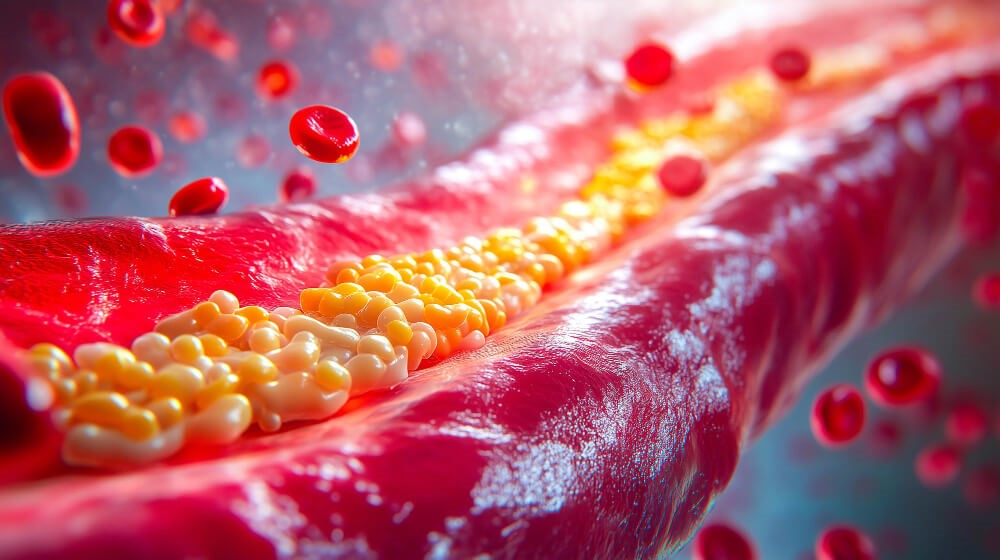
Because xanthelasma is made of cholesterol, it is reasonable to ask whether managing cholesterol could make it disappear. The honest position is measured: managing a raised cholesterol level is genuinely worth doing, both for your wider health and to reduce the chance of new marks forming, but it rarely clears a plaque that is already there. So cholesterol management is a sensible companion to removal, not a substitute for it.
It is also worth keeping in proportion. While xanthelasma can be linked to raised cholesterol, around half of people with it have completely normal cholesterol, so for many, the marks are simply a cosmetic feature rather than a sign of a lipid problem. Either way, a simple lipid test from your doctor is worthwhile: it either reassures you or flags something worth managing. Our pages on whether xanthelasma indicates raised cholesterol and preventing xanthelasma cover this side.

After Removal: Will It Stay Gone?
Once you have removed xanthelasma, the natural question is whether it will return, which is a slightly different matter from whether it disappears on its own. Any removal method clears the existing mark but does not change the underlying tendency, so new marks can form over time, especially if an underlying cause like raised cholesterol is left unmanaged. This is true of every method, clinic or at-home.
The way to give yourself the best chance of a lasting result is to pair removal with managing any underlying cause: a simple cholesterol check and the usual heart-healthy habits. If new marks do appear, they can be treated again, and catching them while small makes them more straightforward. So the full picture is: xanthelasma will not disappear by itself, removal clears it, and cause-management helps keep it from returning. Our page on whether xanthelasma can come back goes into recurrence in detail.


Can Xanthelasma Disappear? The Bottom Line
Xanthelasma very rarely disappears on its own. The deposits are stable accumulations of cholesterol in the skin that the body does not readily reabsorb, so untreated marks usually persist or grow slowly rather than fading. Managing a raised cholesterol level is worthwhile and may slow new marks, but it rarely clears an existing plaque, so removal is what actually clears the marks you already have.
The least invasive way to remove them is at home with Xanthel ®, with clinic options like cryotherapy, laser, surgery, and electrosurgery available for larger or stubborn marks. Pairing removal with a cholesterol check helps keep results lasting. If you would rather skip the clinic, xanthelasma removal at home with Xanthel ® is the simplest place to start. You can also read how to get rid of xanthelasma for the full set of options.

Common Questions About Whether Xanthelasma Disappears
Will xanthelasma go away on its own?
Almost never. Xanthelasma deposits are stable accumulations of cholesterol in the skin, and the body does not readily reabsorb them, so untreated marks usually persist or grow slowly rather than fading. Clearing them means actively removing them, the least invasive way being at home with Xanthel ®.
Can lowering my cholesterol make xanthelasma disappear?
Managing a raised cholesterol level is worthwhile for your health and can reduce the chance of new marks forming, but it rarely clears a plaque that is already there. So cholesterol management is a sensible companion to removal, not a replacement for it. Around half of people with xanthelasma have normal cholesterol anyway.
How long does xanthelasma take to disappear?
Without treatment, it generally does not disappear at all, and may slowly enlarge instead. With removal, the picture is different: after at-home treatment with Xanthel ®, for example, the skin typically heals over one to two weeks. Time alone, without active removal, is not an effective approach.
Is it true xanthelasma can clear up by itself?
This is a common misconception. Xanthelasma is a settled deposit in the skin, not a temporary blemish that runs its course, so it does not clear up by itself in the way a spot might. The honest answer is that removal is needed, with the at-home route using Xanthel ® being the least invasive option.
What is the easiest way to clear xanthelasma?
For most people the easiest route is the at-home cream, Xanthel ®, since it avoids the clinic visit, anaesthetic, cutting, and downtime that procedures involve, and is the most affordable option. Clinic methods like laser or surgery work too but are more invasive and often need repeat sessions.
Will xanthelasma come back after it is removed?
It can, since removal clears the existing mark but does not change the underlying tendency. New marks can form, particularly if an underlying cause like raised cholesterol is left unmanaged. Pairing removal with a cholesterol check and healthy habits reduces the chance, and any new marks can be treated again.
Do I need to see a doctor if my xanthelasma won’t go away?
A simple visit is worthwhile. A doctor can confirm the marks are xanthelasma and run a lipid test to check for any underlying cause. Since the marks will not disappear on their own, you can then choose how to remove them, including at home with Xanthel ®, and manage any underlying factor separately.
Xanthel ® is a cosmetic skincare cream made for xanthelasma removal at home, not a medical treatment for any underlying condition. However your xanthelasma is removed, a simple check with your doctor is worthwhile, since xanthelasma can sometimes sit alongside lipid, thyroid, or cardiovascular factors worth identifying and managing for your wider health.