Understanding Xanthelasma Palpebrarum
Introduction to Xanthelasma
As a health professional or a patient, you might encounter various periorbital skin conditions. Among these, xanthelasma palpebrarum stands out for its distinctive appearance and potential association with systemic diseases. This benign condition is characterized by yellowish plaques that typically occur on the eyelids. As a healthcare provider, it is crucial to approach xanthelasma with a comprehensive understanding of its etiology, clinical presentation, and implications for systemic health.
What is Xanthelasma Palpebrarum?
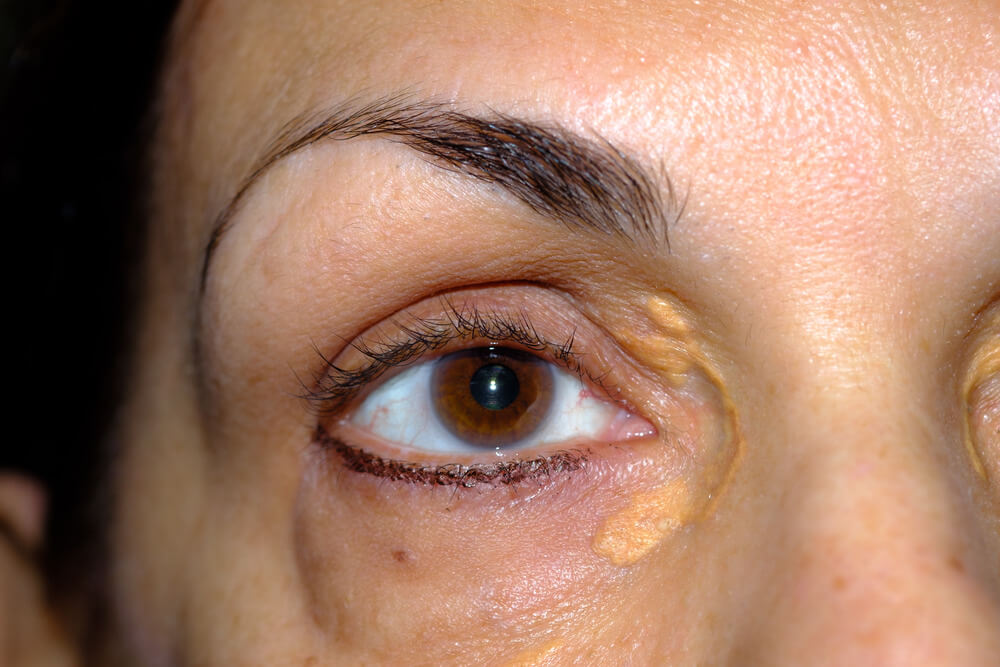
Xanthelasma palpebrarum is essentially the buildup of fatty deposits under the skin of the eyelids. The term itself describes its visual and textural characteristics – “xanthos” indicating the yellow coloration and “elesma” referring to the plaque-like deposit.
– Etiology: While the exact cause of xanthelasma is not always known, it is often associated with certain lipid disorders, such as hypercholesterolemia or dyslipidemia. Additionally, risk factors include advancing age, smoking, hypertension, diabetes and thyroid dysfunction.
– Pathophysiology: The condition arises from the deposition of lipids, predominantly cholesterol, within the dermis, which leads to the formation of the distinctive plaques.
– Differentiating Xanthelasma: When examining a patient, look for:
– Color: Yellowish plaques;
– Texture: Soft to semi-firm;
– Distribution: Symmetrical and predominantly on the upper and lower eyelids near the inner canthus.
– Screening and Evaluation: It’s imperative to investigate whether the xanthelasma is a sign of an underlying condition. Undertake a thorough assessment, screening for lipid disorders, diabetes, and thyroid dysfunction through comprehensive laboratory tests.
– Treatment Options: Treatment should be patient-specific, taking into account the patient’s preferences and overall health. Treatment modalities include:
– Surgical excision;
– Cryotherapy;
– Laser ablation;
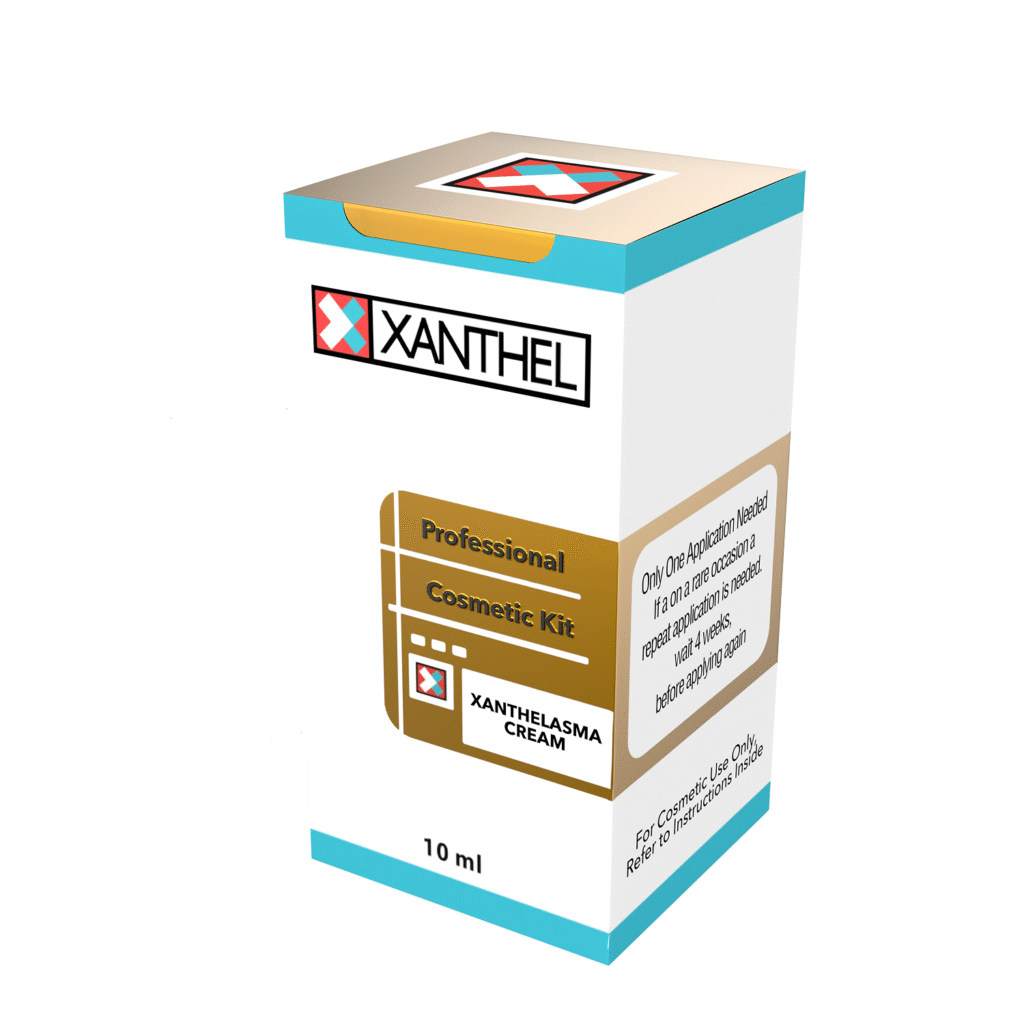
– Xanthel ® Xanthelasma removal cream;
– Interprofessional Team Coordination: The management of xanthelasma requires teamwork. Involve dermatologists, primary care physicians, endocrinologists, and sometimes plastic surgeons, in the evaluation and treatment plan. Nutritionists and diabetes educators may also help address underlying metabolic issues.
– Long-term Management: Follow-up care is essential. Even after treatment, plaques may recur, and underlying conditions like hyperlipidemia may require ongoing management. Implement a long-term plan that addresses both the cosmetic concerns and the systemic health aspects of xanthelasma.
In summary, as a health professional, you play a pivotal role in the correct identification and management of xanthelasma palpebrarum. Understanding its clinical presentation, potential health implications, and coordinating an effective interprofessional approach will ensure your patients receive the best care for both their aesthetic concerns and general well-being.

Understanding Xanthelasma Palpebrarum
Xanthelasma Palpebrarum might be a term that you haven’t heard often, but if you’re noticing yellowish patches around your eyelids, it’s worth exploring. You might be dealing with a condition primarily connected to cholesterol depositing in the skin around your eyes, and understanding it is crucial for managing both its physical and potential health implications.
Etiology and Pathophysiology
Xanthelasma Palpebrarum is chiefly characterized by the formation of xanthomas, which are essentially deposits of fats, particularly cholesterol, under the skin. While xanthomas can manifest anywhere on your body, when they appear on your eyelids, they’re called Xanthelasma Palpebrarum.
– Key characteristics of these lesions include:
– Yellowish color
– Soft texture
– Flat to slightly raised patches
– Predominantly occurring on the upper or lower eyelids
Though benign, Xanthelasma Palpebrarum can sometimes indicate an underlying condition that needs attention.
Screening and Evaluation
– To differentiate Xanthelasma Palpebrarum from other skin conditions, consider:
– Its distinct color and texture
– Its distribution around the eye
– Screening for underlying conditions:
– Lipid profile tests check for hyperlipidemia
– Blood glucose levels identify potential diabetes
– Thyroid function tests uncover thyroid disorders
Being aware of these associations is indispensable when looking for the right treatment and managing any systemic causes effectively.
Causes of Xanthelasma
Aside from the distinctive deposits, it’s essential to delve into the causes behind Xanthelasma’s appearance. Your lifestyle, diet, and genetic predisposition can play significant roles.
Relationship between Xanthelasma and Hyperlipidemia
As you might know, hyperlipidemia refers to elevated levels of lipids in the blood—a condition that’s strongly tied to the development of Xanthelasma. Consequently, if you’re diagnosed with this skin condition, a thorough check for hyperlipidemia is usually recommended.
– It is important to:
– Understand the types of cholesterol involved
– Assess the potential risk factors for cardiovascular diseases
– Consider a lipid-lowering diet or medications as recommended by a healthcare professional

The Role of Cholesterol in Xanthelasma Formation
Too much cholesterol in your blood doesn’t just affect your heart—it can show up on your skin, particularly around your eyes. Even if your Xanthelasma patches are harmless by themselves, their presence could be signaling that it’s time to check your cholesterol levels.
– Managing cholesterol may involve:
– Dietary changes
– Regular exercise
– Possibly, cholesterol-lowering medications
Delving into your family history might also reveal a genetic predisposition to cholesterol issues, further underlining the importance of tracking your lipid profile.
Treatment and Care
In dealing with Xanthelasma, you have multiple treatment avenues to consider—ranging from medical intervention to improve underlying lipid profiles to surgical options for removing the patches if they become a cosmetic concern.
– Popular treatments for Xanthelasma include:
– Cryotherapy
– Laser ablation
– Surgical excision
– Xanthel ®
Working with a dedicated interprofessional team that includes dermatologists, dietitians, and cardiologists, among others, ensures comprehensive care, aiming to improve both the appearance of Xanthelasma and any associated health conditions.
Demographic Patterns in Xanthelasma Prevalence
When examining Xanthelasma Palpebrarum, it’s important to consider the demographic patterns that emerge in its prevalence. Such insights can steer clinical attention and enable more tailored patient education and screening efforts.
Prevalence in Men and Women
Xanthelasma Palpebrarum tends to present itself differently in men and women. While it can affect both genders, research suggests a higher prevalence among women. As a healthcare provider, you should maintain awareness of this gender disparity when consulting with patients who exhibit potential symptoms.
– Consider the following factors:
– Women may experience xanthelasma earlier, often during middle age
– Men may also develop xanthelasma but tend to do so later in life
– In both genders, xanthelasma can be associated with lipid metabolism disorders
In conducting evaluations, bear in mind that while women are more likely to seek treatment due to cosmetic concerns, both genders should be screened for underlying systemic conditions that might contribute to the lesion’s development.
Age and Xanthelasma Occurrence
Xanthelasma’s occurrence increases with age. In your practice, prioritizing screening for older adults, who may be more prone to both age-related hyperlipidemia and xanthelasma, is crucial.
– Important age-related considerations:
– Xanthelasma is relatively uncommon in young individuals
– The incidence rises significantly in those over the age of 40
– Aging populations may complicate the clinical picture with comorbid conditions
Given the association between xanthelasma and cardiovascular risks, your proactive screening in susceptible demographics becomes critical. Pay close attention to older adults presenting with periorbital lesions, and encourage them to undergo cholesterol and lipid profile assessments.
—
When addressing Xanthelasma Palpebrarum, it is vital to put yourself in the patient’s shoes. You may experience mixed feelings about the diagnosis, concerned both about your health and the cosmetic implications of the lesions. As a healthcare professional, you have the opportunity to guide patients through this process with empathy and expertise. By being attuned to the demographic prevalence and considering each patient’s unique health background, you can deliver customized care that meets their medical and personal needs. The interprofessional team’s combined efforts are instrumental in ensuring thorough evaluation, effective treatment, and improved outcomes, addressing Xanthelasma Palpebrarum not just as a skin condition but as a potential marker for broader health issues.

Risk Factors Associated with Xanthelasma
Understanding your risks can help inform the strategies you use to manage or prevent the development of Xanthelasma Palpebrarum. Lifestyle choices, family history, and certain health conditions all contribute to the likelihood of developing these yellowish patches around your eyelids.
Obesity as a Contributing Factor
You should be aware that obesity significantly increases the risk of Xanthelasma. The excess body weight is often associated with elevated cholesterol levels, one of the key factors in the formation of these skin lesions.
– When considering obesity’s impact, you may want to:
– Evaluate your current body mass index (BMI)
– Consult with a healthcare professional for personalized weight management strategies
– Understand that losing weight can not only improve the appearance of Xanthelasma but can also help reduce the associated health risks
Cardiovascular Changes and Xanthelasma
– Your heart health is tightly interwoven with the potential for Xanthelasma appearance, since the fat deposits around your eyelids can be indicative of broader cardiovascular implications. Here’s how you might be affected:
– Hyperlipidemia increases the risk of atherosclerosis, which can lead to heart disease and strokes.
– Plaque formation in blood vessels can be mirrored by the development of Xanthelasma.
– Regular cardiovascular check-ups may be more pressing if you experience Xanthelasma, as early intervention can prevent more serious heart-related conditions.
Evaluating Risk Factors
– Genetic Predisposition is often a significant factor in the development of Xanthelasma. If you have a family history of high cholesterol or skin conditions like Xanthelasma, you may be more susceptible.
– Genetic testing and family history evaluations could provide useful insights into your risk levels.
Identifying Possible Health Changes
– Since Xanthelasma can be a sign of changing health, it’s critical that you:
– Stay vigilant to the condition of your skin and overall well-being.
– Schedule regular check-ups with healthcare providers to monitor any potential changes in health that may relate to the condition.
– Remember that early detection of any alterations in your health can lead to more effective management and better long-term outcomes.
When you understand your risks and actively engage in managing them, you empower yourself to take control of not just your skin condition but your overall health. Collaborate with your healthcare team to navigate these risks and devise a plan that caters to your unique health profile, lifestyle, and personal preferences.

The Connection between Xanthelasma and Systemic Health
Xanthelasma Palpebrarum, while often considered a cosmetic concern, can be a window into your underlying systemic health. Its presence may be the first clue to potentially serious health issues that need your attention. Understanding the connection between these seemingly benign lesions and your wider health picture is a key step in early intervention and effective management.
Xanthelasma as an Indicator of High Cholesterol and Thyroid Issues
– High Cholesterol: Xanthelasma is commonly associated with high levels of lipids in the bloodstream, specifically LDL cholesterol. This correlation underscores the importance of:
– Regular lipid profile screenings to monitor cholesterol levels
– Considering dietary and lifestyle adjustments to manage your cholesterol
– Working with healthcare providers to discuss possible medical interventions if lifestyle changes are insufficient
– Thyroid Dysfunction: Thyroid disorders, particularly hypothyroidism, can also manifest as Xanthelasma. If Xanthelasma is present:
– Thyroid function tests are advised to rule out any thyroid imbalances
– Collaboration with endocrinologists for comprehensive thyroid management may be required
– Continuous monitoring to ensure thyroid levels remain within a healthy range after any treatment
Diabetes Mellitus and Its Association with Xanthelasma
– Blood Sugar Levels: Diabetes, which affects your body’s ability to manage blood sugar, has been linked to the development of Xanthelasma. Therefore, you should:
– Take proactive steps in monitoring blood glucose levels
– Seek advice from health professionals regarding diabetes management if you are predisposed or diagnosed
– Understand the integration of diet, exercise, and medication for diabetes control, which can also positively impact the treatment of Xanthelasma
– Interprofessional Care: Integrating care among dermatologists, cardiologists, endocrinologists, diabetologists, and primary care providers ensures a comprehensive approach to both the treatment of Xanthelasma and the management of any associated systemic conditions.
When faced with Xanthelasma, it is essential to not only address the physical appearance but to delve deeper into what your skin may be signaling about your health. Working closely with your interprofessional healthcare team will help you interpret these signals correctly, choose the most suitable treatment options based on your clinical presentation, and monitor your health conditions long term. This coordinated approach endeavors to provide you with not only cosmetic relief but also a robust strategy for maintaining systemic health.

Clinical Identification and Characteristics of Xanthelasma
In the clinical setting, the identification of xanthelasma palpebrarum is crucial not only for cosmetic concern but also for the potential underlying health implications. When you visit a healthcare provider, they will perform a comprehensive examination and possibly suggest diagnostic tests to determine the exact nature of your skin condition and to rule out other causes.
Visual Diagnosis of Xanthelasma
Your doctor will examine your eyes and eyelids, looking for the typical features that indicate xanthelasma. They will note characteristics such as:
– Color: Xanthelasma typically presents as yellowish patches or plaques.
– Texture: These patches can have a soft or semi-solid consistency, reflecting their cholesterol-rich composition.
– Distribution: Xanthelasma plaques are usually symmetrically distributed on the upper and lower eyelids.
– Size/Shape: They may vary in size from very small to large and can be shapeless or rectangular.
– Demarcation: The lesions are well-demarcated, meaning they have clear boundaries distinguishing them from the surrounding skin.
– Growth: Over time, xanthelasma plaques can grow or coalesce, potentially impacting visual aesthetics or, rarely, the field of vision.
Your healthcare provider will typically perform this visual assessment during your initial consultation. However, further tests may be required to discern if your xanthelasma is connected to broader health concerns.
Composition and Appearance of Xanthelasma Lesions
The appearance of xanthelasma is due to the accumulation of certain fats, primarily cholesterol, under the skin:
– Cholesterol Deposits: The primary component of these lesions is usually cholesterol, which can be a sign of elevated blood lipid levels.
– Histological Examination: A biopsy might be performed in atypical cases to confirm the diagnosis, assessing the histological composition of the lesion.
– Associated Conditions: As these plaques can be associated with lipid metabolism disorders, your doctor may also evaluate for conditions such as hyperlipidemia, diabetes mellitus, and hypothyroidism.
The appearance of xanthelasma is distinct but can sometimes be confused with other benign growths, or in rare cases, malignancies. Therefore, a thorough clinical examination and possibly histological confirmation are required to establish an accurate diagnosis.
Understanding the clinical characteristics of xanthelasma palpebrarum is crucial in recognizing the condition early on. Prompt identification enables timely intervention, not only improving cosmetic results but also allowing for the detection and management of any associated systemic health issues. Partnerships with your healthcare provider and ongoing monitoring are essential components of effectively managing both the skin manifestations and any underlying conditions.
Potential Health Implications of Xanthelasma
Exploring the connection between xanthelasma and your overall health is a vital part of the treatment process. This condition is more than a cosmetic nuisance—it can signal underlying systemic health concerns. Your healthcare provider will play a pivotal role in addressing these potential risks and implementing a suitable treatment plan.
How Xanthelasma Can Signal Underlying Health Concerns
As part of your healthcare team’s approach, they will:
– Screen for Lipid Disorders: Given that xanthelasma plaques often comprise cholesterol, it’s important to assess your lipid profile. Elevated levels of LDL (low-density lipoprotein) or decreased HDL (high-density lipoprotein) may be indicative of a lipid disorder which requires medical attention.
– Evaluate for Diabetes: Diabetes mellitus is another condition potentially associated with xanthelasma. Your healthcare provider might suggest a fasting blood glucose test or an HbA1c test to evaluate your blood sugar control over the past three months.
– Assess Thyroid Function: Hypothyroidism can also lead to elevated cholesterol levels and contribute to the development of xanthelasma. A simple blood test can measure your thyroid hormone levels to check for this condition.
– Consider Cardiovascular Risk: Because xanthelasma has been linked with increased risk of atherosclerosis and cardiovascular events, your healthcare provider may perform a cardiovascular risk assessment and provide guidance on lifestyle modifications or prescribe medications to manage these risks.
Do not dismiss xanthelasma as merely a cosmetic issue. If you have this condition, it is crucial to engage with your healthcare provider and consider comprehensive testing to uncover and manage any possible systemic conditions.

Non-harmful Nature of Xanthelasma Beneath the Skin
Despite the associations with systemic health risks, it’s important to remember that xanthelasma itself is not harmful to your skin or overall health. They are benign lesions that do not cause pain and do not lead to skin cancer. However, they may sometimes cause discomfort if they are large enough to interfere with your eyelid function. In such cases, your healthcare provider can discuss treatment options to remove or reduce the lesions.
– Discuss Treatment Preferences: Depending on your preferences and the severity of the xanthelasma, treatment can range from simple monitoring to surgical excision, laser therapy, or Xanthel ® aimed at dissolving the plaques.
– Evaluate Risks and Benefits: Your healthcare provider will help you weigh the potential risks and benefits of each treatment option. For example, while surgery offers immediate removal, it also comes with the risks inherent to any surgical procedure, such as scarring and infection.
In managing xanthelasma, you have a role in coordinating with your interprofessional healthcare team. They will help ensure that the chosen treatments align with your aesthetic goals and health needs, providing follow-up and long-term management to keep both your appearance and systemic health in check.
Diagnosis and Treatment Options
Medical Evaluation for Xanthelasma
If you have been identified with lesions suggestive of xanthelasma, your healthcare professional will likely recommend comprehensive medical evaluation. This step is important to differentiate between xanthelasma and other periorbital conditions and to screen for any systemic health issues that could be contributing to the development of xanthelasma. Here is what this evaluation process might involve:
– Personal and Family Medical History: You will be asked about your personal and family medical history, with a focus on lipid disorders, cardiovascular disease, diabetes, and thyroid function.
– Physical Examination: A detailed examination of the affected area will be performed along with an assessment of your overall health.
– Laboratory Tests: Blood tests, including lipid profiles, blood sugar levels, and thyroid function tests, will be used to screen for hyperlipidemia, diabetes, and hypothyroidism.
– Risk Factor Assessment: Your healthcare provider will assess your lifestyle, diet, and any medications you are taking that could influence your lipid levels.
Your healthcare provider will use this information, along with the visual characteristics of the lesions, to create a patient-centered treatment plan tailored to your specific needs and health concerns.
Available Treatments for Xanthelasma
The treatment options for xanthelasma vary depending on the size, location, and number of lesions, as well as your personal preferences and health status. Here are some potential treatment paths:
– Topical Medications: Certain lipid-lowering medications can be applied topically to growth of the lesions.
– Laser Therapy: Procedures like CO2 laser or erbium YAG laser can effectively remove xanthelasma with minimal scarring.
– Cryotherapy: This treatment involves freezing the lesions with liquid nitrogen, leading to the plaques falling off.
– Surgical Excision: Surgical removal is an option for larger plaques or for those not responding to other treatments.
– Electrodesiccation: Utilizing electrical current to desiccate the lesion, this method must be carefully applied to avoid scarring.
– Xanthel ®: Treats the xanthelasma in just one minute with just one treatment. Skin is then left to heal naturally.
– Radiofrequency Ablation: An advanced method involving high-frequency radio waves to remove the plaques with precision.
– Lifestyle Modifications: In conjunction with medical or surgical treatments, lifestyle changes such as dietary adjustments, weight loss, and exercise can be beneficial in managing lipid levels.
It is important that you actively participate in choosing the treatment method that is most suitable for you. Your healthcare provider will explain the advantages, potential risks, and expected outcomes of each option. In some cases, if xanthelasma is mild and not connected with systemic health issues, you might opt for monitoring rather than immediate intervention.
Coordinating with an interprofessional team, including dermatologists, ophthalmologists, primary care providers, and possibly a cardiologist or endocrinologist, will ensure comprehensive management of both the aesthetic and systemic aspects of xanthelasma palpebrarum. Regular follow-up visits are imperative to monitor the effectiveness of your treatment and make adjustments as needed, aiming for long-term management of the condition.

Xanthelasma Palpebrarum: Understanding Your Condition and Treatment Choices
Medical Evaluation for Xanthelasma
As you navigate the diagnosis of xanthelasma palpebrarum, it’s critical to undergo a thorough medical evaluation. This is essential to distinguish xanthelasma from other periorbital skin conditions and to uncover any underlying conditions that may be contributing to the lesions. During this evaluation, your healthcare provider will delve into your personal and family medical history, especially concerning lipid disorders, cardiovascular disease, diabetes, and thyroid function. A meticulous physical examination of your eyelids and overall health assessment will follow. Blood tests, including lipid profiles, blood sugar levels, and thyroid function tests, will be utilized to check for hyperlipidemia, diabetes, and hypothyroidism. Finally, your provider will evaluate lifestyle factors, diet, and medications that might influence your lipid balance.
Available Treatments for Xanthelasma
Upon determining that your lesions are indeed xanthelasma, various treatment options come into play. Depending on the characteristics of your xanthelasma—size, location, number—as well as personal preference and health considerations, treatments may include:
– Topical Medications that may help reduce lesion size
– Laser Therapy, such as CO2 laser or erbium YAG, offering precise removal with minimal scarring
– Cryotherapy that freezes lesions, causing them to fall off
– Surgical Excision for larger growths resistant to other treatments
– Electrodesiccation using electrical current for desiccation—precision is vital to minimize scarring
– Xanthel ®, works fast and avoids scars being left behind.
– Radiofrequency Ablation, which is precise and effective
– Lifestyle Modifications to address lipid levels—diet, weight loss, exercise
Choosing the right treatment is a collaborative process between you and your healthcare provider. The team will help you understand each method’s benefits and risks, as well as the expected results. In some scenarios, especially when xanthelasma is mild and unassociated with broader health issues, close monitoring may be recommended over immediate treatment.
Caring for your xanthelasma involves working with an interprofessional healthcare team, which may include dermatologists, ophthalmologists, primary care physicians, and possibly cardiologists or endocrinologists for a holistic approach. Regular follow-up is crucial to evaluate the treatment’s effectiveness and make necessary adjustments. This supports long-term management and addresses both the cosmetic and systemic elements of xanthelasma palpebrarum.

Reflecting on Xanthelasma Palpebrarum and Your Health Journey
Summary of Why Xanthelasma Occurs
Understanding why xanthelasma occurs can empower you to make informed decisions about your health. Xanthelasma typically manifests as yellowish plaques on the eyelids and often signals underlying lipid metabolism disorders. Genetics, lifestyle, and certain health conditions like diabetes and thyroid dysfunction can play a role in its development. By identifying and managing these contributing factors, you stand a better chance of effectively treating the xanthelasma and improving your overall health.
Final Thoughts on the Importance of Awareness and Management
The journey of managing xanthelasma palpebrarum emphasizes the importance of awareness. Recognizing the signs, seeking timely evaluation, and getting proper treatment can not only improve your appearance but also potentially uncover and allow you to take charge of managing systemic health conditions. Remember, you play a key role in your healthcare, so stay informed, stay proactive, and collaborate closely with your interprofessional medical team to navigate this condition successfully.