
What Is Gastric Xanthelasma
A Harmless Stomach-Lining Deposit That Your Doctor May Want to Monitor
Gastric xanthelasma is a small, harmless deposit found on the stomach lining, usually spotted by chance during an endoscopy. This page explains what it is, why it is noted, and what it means for you.
By Xanthelasma.com
What Is Gastric Xanthelasma?
Gastric xanthelasma (also called gastric xanthoma) is a small deposit of fat-laden cells that forms in the lining of the stomach. It usually shows up as a well-defined, flat or slightly raised yellowish patch on the stomach wall, and it is almost always found by chance during an endoscopy carried out for some other reason, because it causes no symptoms of its own.
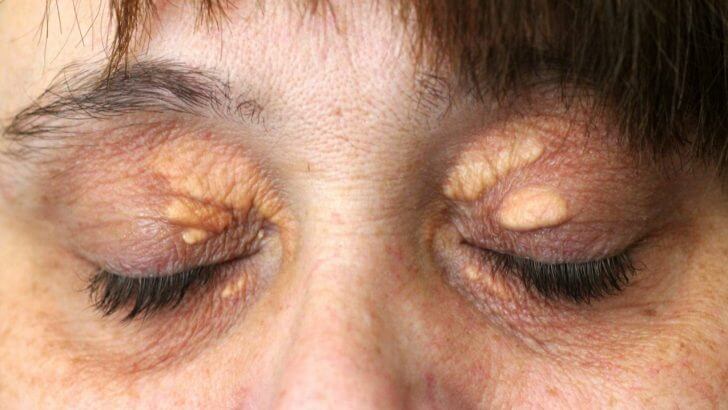
If you have just been told you have it, the key points are reassuring on the surface: the lesion itself is benign, harmless, and not cancer, and it is reasonably uncommon (reported in a small percentage of people having gastric examinations). It was first described back in 1887, so it is a long-recognised, well-understood finding rather than anything new or mysterious. The important nuance, which the rest of this page explains, is why your doctor takes note of it even though it is harmless in itself. (If you were actually looking for the yellow patches on the eyelids, that is a different condition, see our overview of xanthelasma.)

Why It’s Found by Accident
A defining feature of gastric xanthelasma is that you would never know it was there without a camera looking inside, and understanding why explains a lot about it. Unlike the eyelid form of xanthelasma, which is visible in the mirror, the gastric form sits inside the stomach and produces no symptoms, no pain, no indigestion, no sign you could notice yourself.
So it is what doctors call an incidental finding: it turns up when someone is having an esophagogastroduodenoscopy (an endoscopy of the upper digestive tract) for an unrelated reason, such as investigating reflux, discomfort, or other gastric symptoms. The endoscopist spots the characteristic yellowish patch, most often in the lower part of the stomach (the antrum), and notes it. Because it is silent, there is no “watch out for these symptoms” list for gastric xanthelasma itself, the deposit announces nothing. This is exactly why its significance lies not in the lesion, but in what it can sit alongside.

What It’s Associated With
This is the part that matters, and where honesty is important: while gastric xanthelasma is harmless in itself, it tends to keep company with other gastric conditions, which is why doctors pay attention to it. It is commonly found alongside chronic gastritis (long-standing inflammation of the stomach lining), and is associated with intestinal metaplasia (a change in the stomach lining), with Helicobacter pylori infection (a common stomach bacterium), and with the stomach changes that can follow certain gastric surgery.
Most significantly, gastric xanthelasma has been studied as a possible marker for an increased risk of early gastric (stomach) cancer, not as a cause of it, but as a sign that may flag stomach lining changes worth keeping an eye on. This is not a reason to panic, the lesion is benign and the association is about risk, not certainty, but it is the reason your doctor treats finding one as a prompt for closer attention rather than something to ignore. The deposit is, in effect, a flag pointing at the surrounding stomach lining.
How It’s Diagnosed and Confirmed
Because it is found visually, diagnosis starts at the endoscopy itself. The endoscopist recognises gastric xanthelasma by its appearance, a small, well-defined, flat or slightly raised yellowish plaque on the stomach lining, and records its size, number, and location. Its look is fairly distinctive, but it can resemble other things, so it is not always diagnosed on sight alone.
To confirm it, a doctor may take a small biopsy (tissue sample) during the same endoscopy. Under the microscope, gastric xanthelasma has a characteristic appearance: clusters of foam-like, fat-filled cells in the stomach lining. This both confirms the diagnosis and, importantly, lets the pathologist check the surrounding tissue for the associated conditions mentioned above. The biopsy is therefore as much about assessing the company the lesion keeps as confirming the lesion itself. If you have had this done, your doctor will explain what the surrounding tissue showed, which is the more meaningful result.

What Happens After It’s Found
Knowing what comes next helps put a diagnosis in perspective. Because the lesion is benign and symptomless, gastric xanthelasma usually needs no treatment of its own, there is generally nothing to remove or fix about the deposit itself. Instead, the focus shifts to the surrounding stomach health that the lesion may be flagging.
In practice that means your doctor may recommend monitoring (sometimes a follow-up endoscopy in due course, especially if other changes were found), testing and treating any Helicobacter pylori infection, and managing any associated gastritis. Where the surrounding tissue shows changes warranting closer surveillance, they will set up appropriate follow-up. None of this is treatment of the xanthelasma as such, it is sensible attention to the stomach health it can accompany. The single most useful thing you can do is follow the monitoring plan your doctor sets out and report any new digestive symptoms (such as unexplained weight loss, persistent discomfort, or appetite changes) promptly.


What Is Gastric Xanthelasma: The Bottom Line
Gastric xanthelasma is a small, harmless, fat-laden deposit in the stomach lining, almost always found by chance during an endoscopy because it causes no symptoms. The lesion itself is benign and usually needs no treatment. Its importance lies in its company: it is associated with conditions like chronic gastritis, H. pylori infection, and stomach-lining changes, and has been studied as a possible marker for increased gastric cancer risk, which is why doctors treat finding one as a reason for closer attention rather than alarm.
If you have been told you have gastric xanthelasma, the sensible response is to follow your doctor’s monitoring and testing plan and report any new digestive symptoms. If you were instead looking for information on the yellow patches that form on the eyelids, that is a separate condition covered in our xanthelasma overview.

Common Questions About Gastric Xanthelasma
What is gastric xanthelasma?
Gastric xanthelasma (or gastric xanthoma) is a small deposit of fat-laden cells in the lining of the stomach, appearing as a well-defined yellowish patch. It is benign and causes no symptoms, so it is almost always found by chance during an endoscopy done for another reason. It is a long-recognised, well-understood finding.
Is gastric xanthelasma dangerous?
The lesion itself is benign and harmless, and is not cancer. However, it is associated with other stomach conditions, including chronic gastritis and changes in the stomach lining, and has been studied as a possible marker for increased gastric cancer risk. So while the deposit is harmless, doctors treat finding one as a reason for closer attention to the surrounding stomach health.
What causes gastric xanthelasma?
It forms when fat-laden cells accumulate in the stomach lining, often in the context of irritation or changes to that lining. It is commonly associated with chronic gastritis, Helicobacter pylori infection, intestinal metaplasia, and the changes that can follow certain gastric surgery. The exact mechanism is not fully understood, and research into how and why it forms continues.
Does gastric xanthelasma cause symptoms?
No. Gastric xanthelasma produces no symptoms of its own, which is why it is almost always discovered incidentally during an endoscopy carried out for another reason. There is nothing you would notice yourself. Any digestive symptoms you do have relate to associated conditions, like gastritis, rather than to the xanthelasma deposit itself.
How is gastric xanthelasma diagnosed?
It is identified during an endoscopy by its characteristic appearance, a small, well-defined, flat or slightly raised yellowish plaque on the stomach lining. To confirm it and assess the surrounding tissue, a doctor may take a small biopsy, which shows the characteristic fat-filled foam cells under the microscope and allows checking for any associated stomach-lining changes.
Does gastric xanthelasma need treatment?
Usually not. Because the lesion is benign and symptomless, there is generally nothing to treat about the deposit itself. The focus is on the surrounding stomach health it may flag, monitoring, testing and treating any H. pylori infection, and managing any associated gastritis. Your doctor will advise whether follow-up endoscopy or other steps are appropriate in your case.
Is gastric xanthelasma related to xanthelasma on the eyelids?
They share a name and both involve fat-laden deposits, but they are different conditions in different places. Eyelid xanthelasma is a visible cosmetic mark on the eyelids; gastric xanthelasma is an internal stomach-lining deposit found on endoscopy with quite different significance. Having one does not mean you have or will get the other.
Should I be worried if I’ve been told I have gastric xanthelasma?
It is understandable to be concerned, but the lesion itself is harmless. The reason it is noted is its association with other stomach conditions and its studied link to gastric cancer risk, which is about monitoring, not a diagnosis of cancer. The best response is to follow your doctor’s plan for testing and follow-up and report any new digestive symptoms.
This article is for general information and is not a substitute for professional medical advice. Gastric xanthelasma is found and assessed through endoscopy, and its significance depends on the surrounding stomach health, so if you have been told you have it, or have any concerns about your digestive health, follow the guidance of the doctor managing your care and report any new symptoms to them.