Popping Xanthelasma?
– Definition of xanthelasma: Xanthelasma is a medical condition characterized by the development of flat, yellow-orange growths. These are actually cholesterol deposits that form around the eyes and eyelids.
– Appearance: These deposits can range from small to sizable patches and are typically harmless, although they might indicate higher cholesterol levels in your body.
– Prevalence: Commonly seen in adults, but not exclusive to any age group or gender.
Causes and Symptoms of Xanthelasma
– Causes:
– Primary Hyperlipidemia: This is a condition where high levels of lipids (fats) are found in your blood. Genetic factors may lead to this condition.
– Secondary Causes: Conditions such as diabetes, liver disease, and hypothyroidism can contribute to elevated cholesterol levels leading to xanthelasma.
– Lifestyle Factors: Poor diet, lack of exercise, smoking, and obesity can predispose you to cholesterol deposits.
– Symptoms: Xanthelasma itself typically does not cause discomfort, but it’s the appearance that is noticeable:
– Small swellings that appear mostly on or around your eyelids.
– Soft, yellow growths which may form clusters.
– They usually don’t obstruct vision, but their growth may be gradually expansive.
Treatment and Management of Xanthelasma
– Treatment Options:
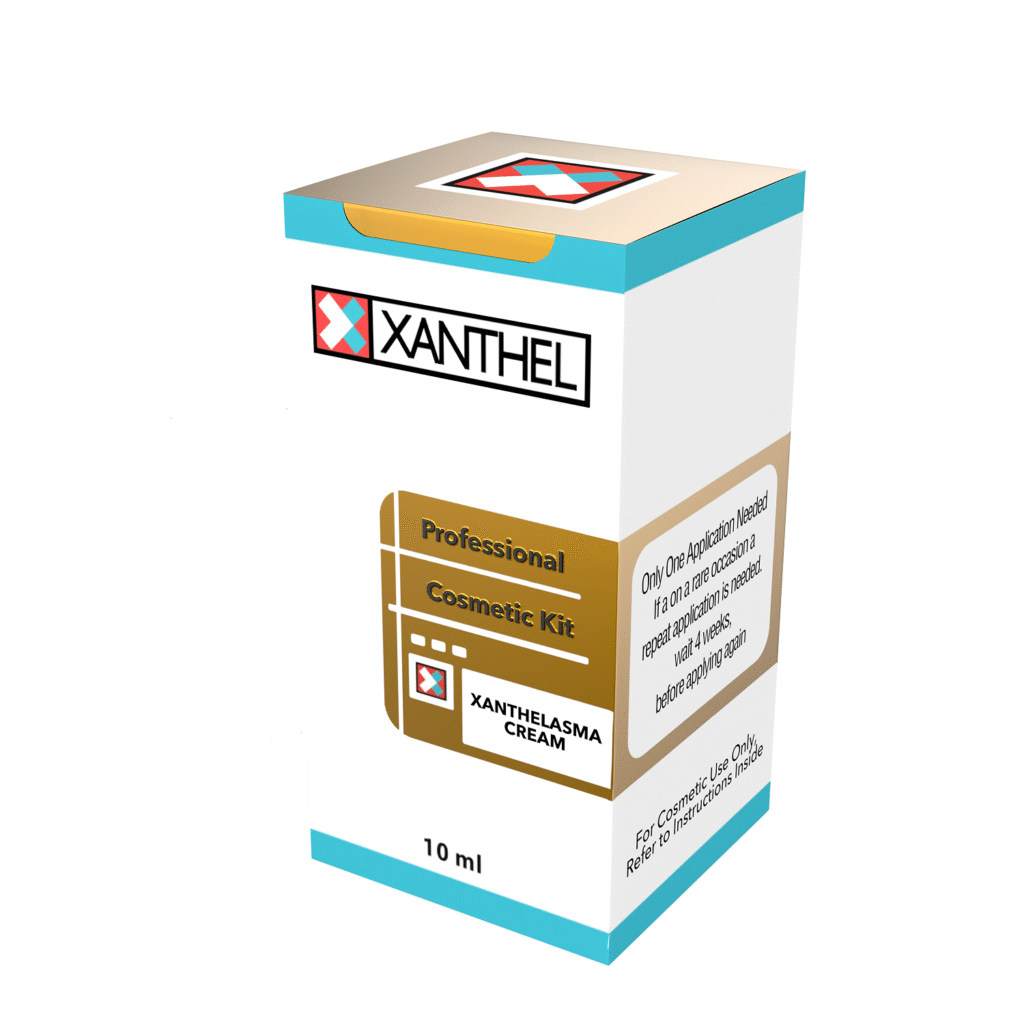
– Xanthel ® Removal Cream: At home treatment that is performed with one application. Xanthelasma shrivels and is removed. Stops regrowth of the xanthelasma plaques and leaves no scars.
– Laser Therapy: Advanced laser treatments can target and reduce xanthelasma effectively.
– Cryotherapy: Freezing the xanthelasma with liquid nitrogen is another possibility.
– Surgical Removal: In larger or persistent cases, the cholesterol deposits might be surgically removed.

– Self-Care:
– It is crucial not to attempt to pop or remove xanthelasma by yourself, as improper handling can lead to scarring and infection.
– Regular monitoring of cholesterol levels is recommended to prevent the formation of new xanthelasma.
– Underlying Conditions: Your healthcare provider will work with you to treat any associated conditions such as high cholesterol or triglyceride levels. This may involve:
– Medication to manage cholesterol levels.
– Lifestyle changes such as a healthier diet, increased physical activity, and weight loss.
– Regular check-ups to monitor the conditions that could contribute to cholesterol deposit formation.
– Prevention: For prevention, consider the following:
– Maintain a balanced diet rich in fruits, vegetables, whole grains, and lean proteins.
– Exercise regularly to boost heart health and improve blood lipid profiles.
– Avoid smoking and limit alcohol consumption.
By addressing both the xanthelasma itself and the underlying health issues, you can reduce their occurrence and improve your overall skin health. Remember, professional medical advice is essential for the correct diagnosis and treatment plan.

The Nature of Cholesterol Deposits
Cholesterol deposits, medically known as xanthomas, are tell-tale signs your body may be wrestling with high cholesterol levels. These are lipid-rich substances that accumulate under your skin, forming noticeable bumps. These growths occur when certain fats, such as cholesterol, infiltrate the cells and tissues beneath the skin surface. They are not harmful in themselves, but they could be signaling an underlying condition that requires medical attention.
Structure and Composition of Xanthomas
Several types of cholesterol deposits exist, including:
– Xanthelasma: This common type mainly appears around the eyes as flat, yellow-orange growths. You may see them manifest in clusters, and they’re strictly related to lipid disorders.

– Plane xanthoma: Unlike xanthelasma, these soft, flat growths can emerge anywhere on the body. They are typically linked to high levels of blood lipids or certain metabolic disorders.
The anatomy of xanthomas consists of foam cells—cells laden with cholesterol. These cells contribute to the soft, puffy nature of the growths which can have varying textures based on their location and the depth of fat deposition. It is important for you to consult a healthcare professional to determine the exact cause and appropriate treatment for these deposits, as they could be an indicator of more serious health issues such as heart disease.
Why Xanthelasma Can’t Be Popped
It might be tempting to try and remove xanthelasma or other cholesterol deposits yourself, but it’s crucial to understand that these aren’t like typical pimples or skin blemishes. They consist of a collection of cells that are beneath the skin, not a plug of sebum (oil) that can be expelled by popping. Here’s why you should resist the urge to pop them:
– Risk of Infection: Popping any skin growth can introduce bacteria to the site, leading to an infection. Since xanthelasma and other xanthomas are not designed to be popped, you significantly increase this risk.
– Scarring: Your actions may cause unnecessary scarring. Since they are located often around sensitive areas such as the eyes, the scarring can be more prominent and challenging to treat.
– Possible Harm to Underlying Tissue: Xanthomas have roots that go deeper than the surface layer of the skin. Trying to pop them can damage the surrounding tissue without actually removing the growth.
– Ineffectiveness: Simply put, popping cholesterol deposits won’t rid you of them. These growths are a symptom of high cholesterol inside your body, and removing the external manifestation, which is very deep in your skin, won’t address the root cause.
Considering these risks, it is best to seek medical advice. A dermatologist or another healthcare provider can discuss safe and effective treatments for cholesterol deposits, such as laser therapy, surgical excision, or medication to manage high cholesterol levels. They can also recommend strategies to address the underlying conditions causing these deposits, ensuring both your skin health and overall well-being are taken care of.
Medical Interventions for Xanthelasma
As you seek medical assistance for managing cholesterol deposits such as xanthelasma, your dermatologist may evaluate your individual case and recommend a course of action. Treatment often focuses on addressing the high lipid levels in your body, which are responsible for the formation of these deposits, alongside the direct removal of the xanthomas themselves for cosmetic reasons. Below, you’ll find the professional ways these can be treated and why attempting to remove them on your own could pose significant risks.
Professional Removal Techniques
When consulting with your healthcare provider regarding xanthelasma removal, they may suggest one or several of the following techniques, each with its own benefits and considerations:
– Electrodesiccation: This procedure involves using a small electric current to dry up the xanthelasma, making it easier to remove. It is a precise technique that minimizes surrounding tissue damage.
– Cryotherapy: By applying extreme cold, typically through liquid nitrogen, this method destroys the xanthoma tissue, which then falls off naturally.
– Laser Therapy: Specific lasers can be used to vaporize the lipid-rich material without harming the overlying skin.
– Surgical Excision: In some cases, a traditional surgical approach may be necessary to cut out the growth, especially if the xanthelasma is large.
– Xanthel ® Removal Cream: One at home application to shrivel and remove the xanthelasma. Effective at halting regrowth of the plaques.

Each of these professional techniques has the advantage of being performed under sterile conditions by trained specialists. By opting for these safe and controlled methods, you ensure that the potential for scarring is minimized and the risk of infection is significantly reduced.
Risks Associated with DIY Removal
Attempting to try and pop or scrape off xanthelasma on your own not only exposes you to unnecessary risks but also can lead to a less than satisfactory outcome. Here are several potential complications of trying to remove cholesterol deposits without medical supervision:
– Infection and Inflammation: Unsterile tools and an uncontrolled environment can introduce bacteria to the site, leading to painful inflammation or infection.
– Scarring and Discoloration: Improper removal techniques can result in scarring that is cosmetically undesirable and potentially permanent.
– Tissue Damage: Without the precision of professional methods, you could inadvertently damage surrounding healthy tissue, impacting your overall skin appearance and health.
– Failure to Address Underlying Issue: Home removal does nothing to combat the likely high cholesterol levels contributing to the xanthelasma development, thus allowing the condition to persist or even worsen.
So, it is crucial that you consult a dermatologist or a medical professional to discuss the best treatment plan for you—their expertise and access to appropriate treatment options ensure your health and cosmetic concerns are effectively managed.Safe Practices for Dealing with Xanthelasma
When you notice unusual growths or deposits on your skin, particularly around sensitive areas like the eyes, it’s natural to seek immediate solutions. However, when it comes to xanthelasma, the yellowish cholesterol deposits that can appear near your eyelids, taking matters into your own hands can lead to more harm than good. Here’s why professional treatment is paramount for your health and safety.
Why You Shouldn’t Treat Xanthelasma at Home
– Risk of Misdiagnosis: You may not be able to distinguish xanthelasma from other skin conditions. An incorrect self-diagnosis can result in ineffective or harmful treatments.
– Potential for Scarring: Without proper techniques and tools, attempting to remove xanthelasma yourself can cause unnecessary scarring or infection.
– Possible Health Indicators Ignored: Xanthelasma can indicate underlying health issues, such as high cholesterol. By opting for home treatment, you might overlook important signs that require medical attention.
Seeking the assistance of a dermatologist team or skincare professional ensures a correct diagnosis and that underlying health issues are investigated and managed properly along with the cholesterol deposits.

Preventive Measures and Treatments
How to Prevent Xanthelasma
To minimize the risk of developing xanthelasma, it is crucial to manage cholesterol levels and overall health. Here are some preventive strategies for you to consider:
– Monitor Your Cholesterol: Regularly check your cholesterol levels with your healthcare provider to ensure they are within a healthy range. High levels of LDL (‘bad cholesterol’) can increase the risk of cholesterol deposits.
– Maintain a Healthy Diet: A diet low in saturated fats and cholesterol can help manage cholesterol levels. Incorporate more fruits, vegetables, whole grains, and lean proteins into your meals.
– Regular Exercise: Physical activity can help increase HDL (‘good cholesterol’) and lower LDL levels. Aim for at least 150 minutes of moderate-intensity exercise per week.
– Avoid Smoking: Smoking can impair the body’s ability to transport cholesterol efficiently, potentially leading to the formation of deposits.
– Control Underlying Conditions: If you have health conditions, such as diabetes or liver disease, which can affect cholesterol levels, be diligent in managing these conditions with your healthcare provider’s guidance.
By taking these measures, you can reduce your likelihood of developing xanthelasma and improve your overall cardiovascular health.
Lifestyle and Health Management
Adopting a healthier lifestyle plays a crucial role in managing and potentially reducing the occurrence of cholesterol deposits on your body, including xanthelasma. A balanced diet and regular exercise can help control your cholesterol levels and reduce the risk of more severe health problems.
Impact of Diet and Cholesterol Control
As someone concerned about cholesterol deposits, you should evaluate your dietary habits. It’s no secret that the food you consume has a direct impact on your cholesterol levels. To help manage or even lower your cholesterol, consider the following dietary changes:
– Reduce Intake of Saturated Fats: Found mainly in red meat and full-fat dairy products, saturated fats can raise your total cholesterol levels, contributing to the formation of deposits. Opt for leaner cuts of meat and low-fat dairy options.
– Eliminate Trans Fats: Often listed as “partially hydrogenated vegetable oil,” trans fats are a significant contributor to high cholesterol and are commonly found in margarines and store-bought baked goods.
– Eat Foods Rich in Omega-3 Fatty Acids: Omega-3s do not affect LDL cholesterol levels but have heart-healthy benefits. Foods like salmon, mackerel, and walnuts are excellent sources.
– Increase Soluble Fiber: Foods such as oatmeal, kidney beans, Brussels sprouts, apples, and pears can help reduce your body’s absorption of cholesterol.
Do not underestimate the influence of food on your overall health. By incorporating these changes into your diet, you may see not only an improvement in your cholesterol levels but also a reduction in the appearance of cholesterol deposits.
Importance of Regular Health Check-Ups
Regular check-ups with your healthcare provider are essential for catching any signs of high cholesterol before they manifest into visible symptoms like xanthelasma. During these visits, your doctor will check for:
– Cholesterol Levels: A routine blood test, or lipid profile, is used to check your cholesterol levels. If necessary, your healthcare provider may prescribe medications to help manage your cholesterol.
– Underlying Conditions: High cholesterol can be a symptom of underlying conditions such as diabetes, liver, or kidney disease, which would require dedicated treatment plans.
– Lifestyle Recommendations: Your doctor may provide personalized advice on lifestyle adjustments to help control your cholesterol.
Adhering to a regular schedule of health check-ups enables you to monitor your health proactively and catch potential problems early. When it comes to managing cholesterol deposits, prevention through a healthy lifestyle, mindful eating habits, and consistent monitoring of your cholesterol levels is key. Remember that these strategies are not just about improving your appearance but also about safeguarding your long-term health and quality of life.

Understanding Cholesterol Deposits and Treatment Options
Cholesterol deposits, specifically xanthelasma and plane xanthomas, can be concerning from both a cosmetic and a health perspective. Understanding treatment options and safety measures is crucial for individuals experiencing these skin growths.
Summing-Up the Do’s and Don’ts of Xanthelasma Treatment
When it comes to treating xanthelasma, there are several options, each with its own set of precautions:
– Seek Professional Medical Advice: Before attempting any treatment, consult a professional team for an accurate diagnosis and treatment plan.
– Non-Invasive Treatments: Laser therapy, cryotherapy, and Xanthel ® are potential non-invasive treatments under professional guidance.
– Prescription Medications: In some cases, topical medications that contain statins or bile acid may be recommended by a doctor, to help reduce your cholesterol levels.
– Consider Surgical Options: Surgical removal may be an option for larger deposits that do not respond to other treatments.
As far as what not to do:
– Avoid Popping or Picking: Never attempt to pop or pick at cholesterol deposits, as this can lead to scarring and potential infection.
– Ignore Underlying Health Issues: Leaving the underlying causes of cholesterol deposits, such as high cholesterol or liver function issues, untreated can lead to further health complications.
Addressing Common Concerns and Misconceptions
Understanding the nature of cholesterol deposits goes hand in hand with dispelling common misconceptions about them:
– Xanthelasma Aren’t Always Tied to High Cholesterol: While xanthelasma can be a sign of elevated cholesterol levels in some individuals, they can also appear in people with normal cholesterol levels.
– Xanthomas Aren’t Infectious: It’s important to note that these skin growths are neither infectious nor cancerous.
If you notice skin growths that resemble xanthelasma or xanthomas, it’s paramount to address both the symptoms and the root causes. Maintaining a healthy lifestyle, seeking professional medical advice, and receiving appropriate treatment for any underlying conditions remain your best courses of action. Remember, professional medical intervention is the preferred approach to ensure the safety and efficacy of any treatment for cholesterol deposits.