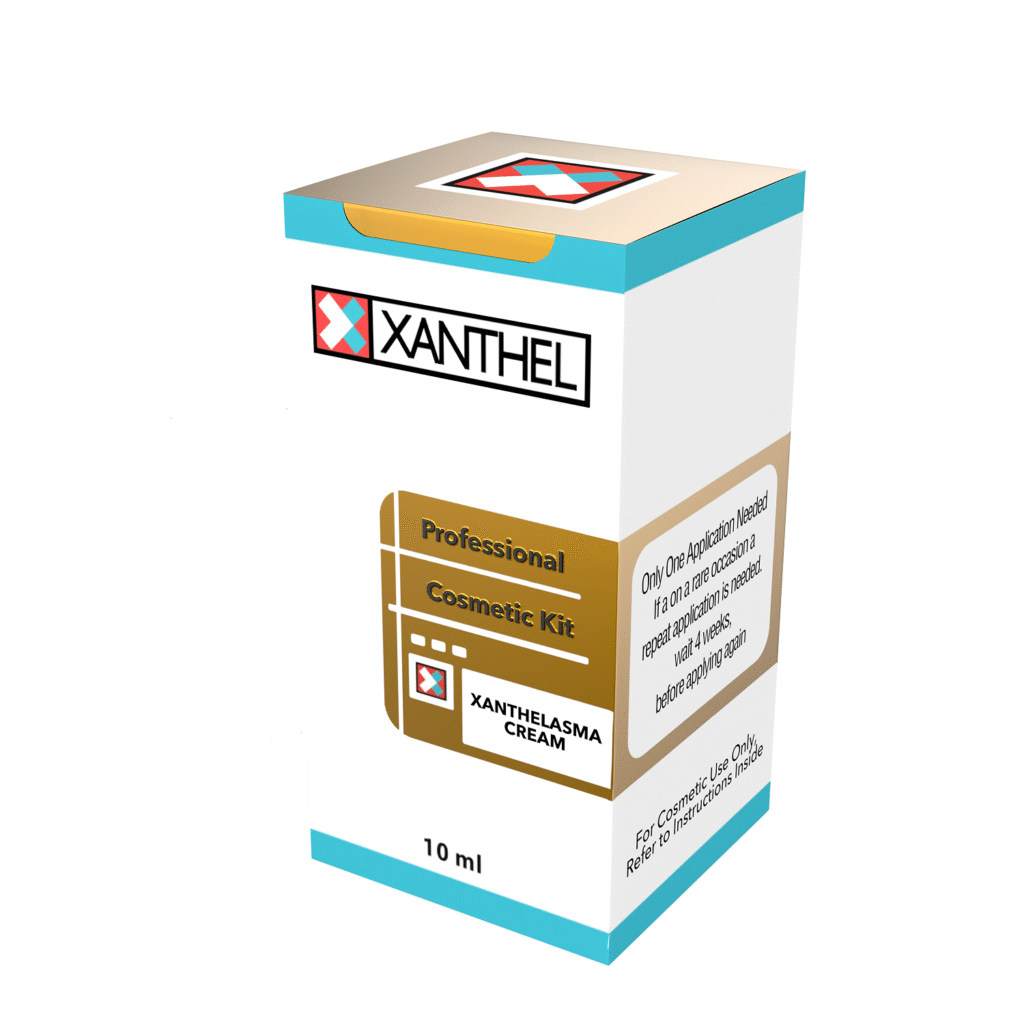
Stopping Xanthelasma
Xanthelasma is a medical condition characterized by the development of benign, yellowish growths on or near your eyelids. These growths are called xanthelasmas and are a subtype of xanthoma. They consist of cholesterol deposits under the skin. Understanding the nature of xanthelasmas and recognizing the need for professional assessment is important for maintaining your health and well-being.
Understanding Xanthelasma: Causes and Symptoms
- Appearance:
Xanthelasmas typically manifest as yellow bumps on the skin around your eyes. They can vary in texture, ranging from soft and chalky to a more semi-solid feel.
- Underlying Cause:
The root cause of xanthelasma is often linked to high cholesterol levels in the body. It indicates the presence of excess lipids in your bloodstream, which get deposited under the skin around your eyes.
- Warning Sign:
The presence of xanthelasma may serve as an early indicator that cholesterol is beginning to accumulate in your blood vessels – a condition known as atherosclerosis.
- Risk Factor:
Atherosclerosis can progress to more serious cardiovascular conditions, including heart disease, stroke, or peripheral vascular disease.
- Potential Growth:
If left unchecked, cholesterol deposits can expand, leading to an increase in the size of the xanthelasmas.
It’s imperative to pay close attention to any changes in the size or number of these growths. Spotting xanthelasmas and understanding their implications could be crucial to anticipating and managing potential health risks associated with high cholesterol levels and cardiovascular health.
Why Xanthelasma Requires Professional Treatment
- Early Detection:
You are encouraged to consult a dermatologist or an oculoplastic surgeon when you first observe growths on your eyelids, especially if you want them removed or have concerns about your cholesterol levels.
- Treatment Options:
Several xanthelasma removal methods are available, such as surgical excision, laser treatment, Xanthel ® removal cream, and cryotherapy (using cold temperatures).
- Effectiveness:
While these treatments can be effective, multiple sessions may be required to achieve the desired outcome.
- Recurrence:
Bear in mind that there is a possibility of xanthelasmas reappearing after treatment. This highlights the importance of managing underlying cholesterol levels, not just the external symptoms.
- Health Monitoring:
Removal of xanthelasmas may also involve further checks on your cardiovascular health to mitigate any possible future risks.
Reaching out to a healthcare professional is the most prudent step you can take upon noticing these growths. Not only can they provide a proper diagnosis, but they can also guide you through the best treatment plan tailored to your specific needs and health background.
As you consider treatment for xanthelasma, remember that it is an opportunity to evaluate more than just the cosmetic concern—it’s a chance to take a closer look at your overall health, particularly your cardiovascular system. Working alongside healthcare professionals, you can devise a strategy that addresses both the visible signs and the potential underlying issues.

Dietary Changes to Manage Xanthelasma
The Role of Diet in Preventing and Managing Xanthelasma
If you’re dealing with xanthelasma—those yellowish bumps near your eyelids—it’s vital to understand the role that diet plays in both preventing and managing this condition. Xanthelasmas are linked to elevated levels of cholesterol in the body, and by making healthier food choices, you can influence your body’s cholesterol levels.
– Lower Your Fat Intake: Fats, especially saturated and trans fats, can raise your cholesterol levels. Reducing your intake of high-fat meats, full-fat dairy products, butter, shortening, and processed snacks can have a positive impact.
– Increase Fiber Consumption: Eating plenty of fiber, especially soluble fiber, can help reduce the absorption of cholesterol in your bloodstream. Foods like oatmeal, apples, pears, beans, and lentils are excellent sources.
– Opt for Healthier Fats: Instead of saturated fats, choose monounsaturated fats found in olive oil, avocados, and nuts. These can help manage your cholesterol levels more effectively.
– Stay Hydrated: Drinking water is essential for flushing toxins from your body, which may indirectly help manage xanthelasma.
Remember, while dietary changes can be beneficial, they should complement the treatment plan advised by your healthcare provider, not replace it.
Examples of Foods to Avoid for Xanthelasma Sufferers
For individuals experiencing xanthelasma, avoiding certain foods can help in managing the condition. Here’s a list of types of foods you might consider reducing or eliminating from your diet:
– High-Cholesterol Foods: Limit foods like egg yolks, fatty meats, and high-fat dairy products.
– Processed Foods: Often high in unhealthy fats, sugars, and salt, processed foods can increase the risk of developing more severe xanthelasma.
– Foods with Trans Fats: These are found in some fried foods, baked goods, and processed snacks and are known to increase cholesterol levels.
– High-Sugar Foods: Excessive sugar intake can lead to weight gain, which is associated with higher cholesterol levels.
– Alcohol: Moderation is key as excessive alcohol intake can lead to increased cholesterol and triglyceride levels.
By understanding the dietary influences on xanthelasma, you can take active steps towards managing this condition. It’s always recommended to work with a nutritionist or healthcare professional to create a dietary plan tailored to your specific health needs.

Medical Treatments for Xanthelasma
Overview of Professional Xanthelasma Removal Methods
When you consult with your healthcare provider regarding xanthelasma, they may present you with several professional removal methods. Understanding these options is important as xanthelasmas may not only be a cosmetic concern but could also be indicative of cholesterol-related health issues. Here are some common medical treatments:
– Surgical Excision: The most direct method is physically cutting out the xanthelasma. This procedure requires local anesthesia and can be effective but may lead to scarring.
– Laser Therapy: An advanced treatment option that uses focused light to vaporize or remove the lesions with minimal damage to the surrounding skin.

– Cryotherapy: This involves freezing the xanthelasma with liquid nitrogen. The extreme cold causes the xanthelasma to fall off over time.
– Xanthel ® Removal Cream: Formulated product, used at home, that shrivels and removes xanthelasma and stops them from coming back.
– Electrodesiccation: This procedure uses electric currents to dry out the xanthelasma, causing it to flake away.
Each of these methods comes with potential side effects and varying degrees of effectiveness. They may also require multiple sessions to achieve desired results, and recurrence of xanthelasma is possible. Your doctor will take into account the size and location of the xanthelasma, your skin type, and any underlying health issues when recommending the best treatment for you.
Doctor-administered Treatments and Their Effectiveness
The treatment plan for your xanthelasmas will be heavily influenced by their size, depth, and the presence of any underlying cholesterol management issues. Here is what you can expect from each doctor-administered treatment option:
– Surgical Excision: Often effective in completely removing xanthelasmas, surgical excision offers immediate results. However, it does come with the longest recovery time and a risk of scars.
– Laser Therapy: A targeted approach that generally results in less scarring and quicker recovery than surgery. Multiple sessions may be needed, and there is still a risk of recurrence.
– Cryotherapy: A less expensive and quick treatment that works well for small xanthelasmas but might require several treatments for larger ones. Temporary skin discoloration may occur.
– Electrodesiccation: Can be useful for small, superficial xanthelasmas and typically requires a shorter recovery time. However, there’s a possibility of incomplete removal.
Do keep in mind that while these treatments tackle the physical manifestation of xanthelasmas, they do not address the underlying causes, such as high cholesterol. Consistent follow-ups with your healthcare provider are crucial for monitoring your cholesterol levels and reducing the risk of heart problems down the line. As these decisions are quite personal and may involve aspects of your health beyond just the dermatological, make sure that you discuss all your concerns and expectations with your healthcare provider before proceeding with any form of treatment.

Xanthel ® for Xanthelasma
Exploring Xanthel ® Acid Application
When it comes to the topical treatment of xanthelasma, Xanthel® is often used to remove xanthelasma. As a client, this treatment can be performed at home by the client:
– Application Is Precise: Simple guide is included when bought online and the easy to use guide will make sure your treatment is effective and safe.
– One Treatment Is Required: Only one treatment is needed to treat the xanthelasma. Treated area is then left to heal back to its original state.
– Aftercare is Critical: Proper care following application of Xanthel ® is essential to prevent scarring and ensure the best results.
Pros and Cons of Xanthel ® Treatment
Xanthel ® treatment for xanthelasma have it’s own set of advantages and disadvantages, and it’s important that you are aware of these when considering your treatment options.

Pros:
– Less Invasive: Xanthel ® is the non-surgical option that can effectively manage the appearance of xanthelasma and remove them.
– At Home Procedure: At home procedure that is carried out by the client. Easy to apply and simple to use.
– Targeted Therapy: Xanthel ® is applied directly to the affected area, minimizing systemic side effects.
Cons:
– Risk of Skin Damage: If not applied correctly, there can be risks of temporary skin damage, highlighting the importance of correct administration.
– Potential for Recurrence: Whilst rare, Xanthelasmas treated with Xanthel ® have a chance of recurring, even after successful treatment.
Combining treatments with dietary changes may further optimize your outcomes and help prevent new xanthelasmas from forming.
Each treatment option, including Xanthel ®, should be chosen after a comprehensive discussion of risks, benefits, and the potential need for repeat procedures. While cosmetic improvement is a common goal, maintaining general health and managing cholesterol levels is paramount in the holistic management of xanthelasma.
Surgical Options for Xanthelasma Removal
Understanding the Surgical Removal Process
If your xanthelasma is especially prominent or persistent, you may be considering surgical options for removal. There are several methods that can be employed, each with its nuances and emphases on either thermal or mechanical removal techniques. Here’s what you need to know about your surgical options:
– Liquid Nitrogen Cryotherapy: This method involves freezing the xanthelasma with extreme cold, destroying the affected cells.
– Laser Surgery: A laser is used to precisely target and vaporize the cholesterol deposits.
– Radiofrequency Ablation: This technique uses radio waves to heat and dissolve the xanthelasma, occasionally requiring stitches afterward.
– Surgery Using Extreme Heat: Also known as electrocauterization, this method burns away the deposits using controlled heat.
Each of these methods may require you to undergo local anesthesia. It’s critical that you discuss with your healthcare provider which option may be best suited for your specific case. The size, location, and severity of your xanthelasma will be significant factors in this decision. Moreover, your healthcare provider can inform you about the expected course of treatment, the number of sessions likely needed, and the recovery process specific to your chosen method.
Risks and Recovery from Xanthelasma Surgery
With any surgical procedure, there are potential risks and a recovery period to consider. It’s important you go into surgery with a clear understanding of both.
Risks:
– Scarring: While surgeons aim for minimal scarring, there is always a risk of scar tissue formation.
– Recurrence of Xanthelasma: There is a possibility that xanthelasma may return even after successful surgical removal.
– Infection: As with any surgery, there is a risk of infection, which can be managed with proper care.
– Changes in Eyelid Appearance: Sometimes, surgical removal may alter the natural fold or look of your eyelid, which is something to be aware of prior to your procedure.
Recovery:
– Postoperative Care: Follow your doctor’s instructions for care after the procedure, which may include applying ointment or taking prescribed medication.
– Downtime: While typically brief, recovery periods will require some downtime, during which you’ll need to rest and avoid strenuous activity.
– Monitoring for Recurrence: Keep a vigilant eye on the treated area for signs of xanthelasma returning, and return to your doctor for a follow-up as scheduled.
It’s essential to maintain open communication with your healthcare provider throughout the process, ensuring you have the support and guidance necessary for effective recovery and management of your xanthelasma. Remember, lowering your cholesterol levels in conjunction with treatment can help reduce the likelihood of recurrence and supports overall health. Your doctor may recommend dietary changes, medications, or other measures to manage your cholesterol and prevent new xanthelasmas from forming. Always weigh the potential benefits of surgery against the risks and recovery implications before deciding on this treatment route.

Non-Surgical Procedures to Eradicate Xanthelasma
Laser Therapy for Xanthelasma: What to Expect
If you’re considering non-surgical options for xanthelasma removal, laser therapy might be an option presented to you. Laser treatment uses concentrated light to target and dissolve the lipid-rich deposits under your skin without making incisions. Here’s what you should be prepared for if you opt for this method:
– Multiple Sessions: Similar to other treatment methods, more than one laser session will be required to effectively remove the xanthelasmas.
– Precision: The laser is precise, which means there is less chance of affecting surrounding skin.
– Slight Discomfort: Some mild discomfort or a burning sensation during the procedure is possible; however, local anesthesia is generally used to minimize any pain.
– Recovery Time: Post-treatment recovery may involve minor swelling or redness, but the downtime is usually minimal. You can resume normal activities relatively quickly.
– Effectiveness: Many patients find laser therapy effective, but there is still a risk of xanthelasmas returning over time.
Adherence to post-procedure care and regular follow-ups with your healthcare provider is vital in managing the outcome. In addition, because xanthelasma is often linked with cholesterol levels, a comprehensive approach to your health might include dietary changes or medications to manage cholesterol.
Cryotherapy: Freezing Away the Cholesterol Deposits
Another non-surgical route to take is cryotherapy, which involves the application of extreme cold to eliminate xanthelasmas. During cryotherapy, liquid nitrogen is used to freeze the xanthelasma, causing the abnormal cells to die and eventually fall off. Consider these points if you’re thinking about cryotherapy:
– Rapid Procedure: The application of liquid nitrogen is quick, often taking just a few minutes.
– Sensation: You may feel a stinging or burning sensation during the procedure.
– Recovery: The treatment site will likely scab over as it heals. It’s essential not to pick at the scab to avoid scarring.
– Success Rate: Cryotherapy is often successful in removing xanthelasma, but as with other treatments, repeat ongoing sessions will be necessary, and there’s a chance of recurrence.
Your doctor will guide you through the cryotherapy process, including how to care for the area following treatment. Remember that managing your cholesterol levels is also critical in reducing the likelihood of xanthelasmas returning.
In selecting a treatment approach for xanthelasma, it’s important to weigh these factors with your healthcare provider’s expertise. They will help tailor the treatment to your unique needs, ensuring you receive the most effective, safe, and personally suitable care available. Together, you can create a treatment plan that not only addresses the xanthelasma but also contributes to your long-term overall health.

Aftercare and Prevention Post-Treatment
Post-Removal Care for Optimal Healing
After undergoing non-surgical treatments for xanthelasma, your attention should pivot to the healing process and preventive care. Adequate aftercare is essential to achieve optimal results and minimize potential complications. Here’s a guide to taking care of yourself post-treatment:
– Gentle Cleansing: Keep the treated area clean. Use mild soap and water to gently cleanse the area, taking care not to rub or scratch it.
– Apply Prescribed Ointments: You may be prescribed an ointment or cream to apply to the delicate skin of your eyelids. Adhere strictly to the application instructions provided by your healthcare provider.
– Avoid Sun Exposure: Protect your skin from the sun. UV rays can delay healing and increase the risk of hyperpigmentation. Wear sunglasses when going outside, and consider using a recommended physical sunblock.
– Monitor Healing Progress: Keep a watchful eye on how the area is healing. Redness and swelling should gradually subside. Contact your healthcare provider if you notice any sign of infection or if the skin is not healing as expected.
– Attend Follow-Up Appointments: Make sure to attend all scheduled follow-up appointments. These are crucial for monitoring your recovery and assessing the need for additional treatments.
Your diligent attention during the healing process is paramount. Not only will it help the skin recover with minimal scarring, but it will also allow for early detection and management of any potential issues that could arise.
Strategies to Prevent Xanthelasma Recurrence
Long-term success in managing xanthelasmas extends beyond the treatment itself. You may need to adopt certain practices to reduce the risk of recurrence. Consider incorporating the following preventive strategies:
– Healthy Diet: Adopt a heart-healthy diet that is low in cholesterol and saturated fats. Increasing your intake of fruits, vegetables, and whole grains can contribute to lower cholesterol levels.
– Regular Cholesterol Checks: Have your cholesterol levels checked regularly as advised by your healthcare provider. Monitoring these levels is crucial since xanthelasmas can be a sign of hyperlipidemia.
– Medications: If you have been prescribed cholesterol-lowering medications, take them as directed. These medications can help control your cholesterol levels and potentially prevent new xanthelasma from forming.
– Physical Activity: Engage in regular physical activity. Exercise can help maintain healthy cholesterol levels and overall health.
– Avoid Smoking: If you smoke, seek assistance to quit. Smoking can contribute to higher cholesterol levels and also affects your blood vessels, elevating the risk of heart problems.
– Weight Management: If you’re overweight, work towards a healthy weight. Being overweight can increase cholesterol levels and the risk of developing more xanthelasmas.
Your proactive involvement in your health does not only help in keeping xanthelasmas at bay but also bolsters your overall cardiovascular health. Partner with your healthcare provider to create a plan that’s tailored to your health needs and lifestyle preferences, ensuring the best preventive care for you.

Myths and Misconceptions About Xanthelasma
Busting Common Myths Surrounding Xanthelasma
As you explore treatment options for xanthelasma, you may come across various myths and misconceptions. It’s important to differentiate fact from fiction to ensure you approach your condition with the right information.
– Myth: Xanthelasma is always a sign of high cholesterol.
– Truth: Though often associated with high cholesterol, xanthelasma can also appear in individuals with normal cholesterol levels. It’s critical to get your levels checked, but know there are other contributing factors, such as genetics.
– Myth: Removal treatments for xanthelasma are always painful and involve significant downtime.
– Truth: Non-surgical treatments like Xanthel ® and cryotherapy can minimize discomfort and have swift recovery times. Discuss with your practitioner what kind of pain relief will be available during the procedure.
– Myth: Once treated, xanthelasmas will never return.
– Truth: Unfortunately, xanthelasmas can reappear even after successful removal. An ongoing management plan for cholesterol and general health is essential in reducing the risk of recurrence.
– Myth: Xanthelasma can lead to blindness.
– Truth: While xanthelasma occurs around the eyes, it does not interfere with vision. However, if the aesthetics or potential discomfort bother you, removal options are available.
– Myth: Surgical removal is the only effective treatment for xanthelasma.
– Truth: Today, there are multiple non-surgical methods that effectively treat xanthelasma. These options can be less invasive with quicker recovery times, such as Xanthel ®.
It’s imperative to consult a healthcare provider for accurate diagnosis and treatment recommendations that consider your specific situation. They can dispel any myths and provide a treatment course that aligns with your health goals.
Clarifying What Xanthelasma Is and Isn’t
Understanding your condition is the first step in managing it effectively. Below are key points to clarify what xanthelasma is:
– Nature: Xanthelasma are soft, yellowish plaques that occur on or around the eyelids.
– Cause: They are deposits of fat, and while they can be associated with high cholesterol, they may also develop in individuals with normal cholesterol, due to genetic factors or other health conditions.
– Symptoms: Xanthelasma plaques are usually asymptomatic, meaning they don’t typically cause pain or discomfort, though they can be aesthetically unpleasing.
– Treatment: There are several treatment options—both surgical and non-surgical. The best course of action depends on various factors, including the size of the plaques, their number, your overall health, and personal preferences.
– Recurrence: After removal, xanthelasma might recur, hence monitoring and managing cholesterol levels along with regular health checkups can help prevent reformation.
Remember, xanthelasma is a benign condition and does not pose a serious threat to your health. However, its presence could signal underlying issues like dyslipidemia, which warrants medical attention. In your journey to treat and manage xanthelasma, maintaining a dialogue with your healthcare provider is the best way to ensure effective and safe treatment. Collaborate with them to develop a strategy that addresses both the symptoms and any possible underlying causes.

Xanthelasma: What You Need to Know
When to Seek Medical Attention
If you’re noticing yellowish growths on your eyelids, you might be observing signs of xanthelasma. This condition can be more than just skin deep, signifying possible cholesterol issues in your body. Here’s when you should consider a doctor’s evaluation:
– High Cholesterol Concerns: Xanthelasma may indicate that cholesterol has begun to build up in your blood vessels.
– Risk of Atherosclerosis: Over time, this can lead to the formation of plaque, raising the risk for atherosclerosis, a serious condition that can result in heart disease, stroke, or heart attack.
– Other Health Risks: Alongside cholesterol buildup, xanthelasma can be linked to other health risks that warrant a healthcare consultation.
If such growths are affecting you and you’re considering removal, two specialists who can assist are:
– Dermatologists: They specialize in skin conditions and can offer various treatment options for xanthelasma.
– Oculoplastic Surgeons: These are surgeons who specialize in eyelid procedures, a suitable choice if you’re seeking surgical removal.
It’s prudent to be proactive about these indications. Connect with a healthcare provider to not only address the aesthetic concern but also to manage any underlying health issues.
Understanding Xanthelasma: A Closer Look
To get a grasp on what you’re dealing with, consider these facts about xanthelasma:
– Definition: It is a benign, yellowish deposit of cholesterol underneath the skin, often presenting on or near the eyelids.
– Composition: Xanthelasmas are a form of xanthoma that can be soft, semi-solid, or even chalky in texture.
– Causes: These plaques may correlate with high cholesterol levels or can be influenced by genetic factors.
– Treatment Options: Effective removal methods range from surgery to less invasive procedures like chemical peels, or thermal treatments such as cryotherapy. Multiple sessions might be needed for optimal results.
– Reoccurrence: Post-treatment, these plaques may recur, so ongoing cholesterol management is key to preventing return incidence.
– Potential Link to Health Risks: While they are mostly cosmetic, their presence can alert you to potential health risks, such as high cholesterol or atherosclerosis, and should be a prompt for a health evaluation.
Summary of Treatment Options
In considering treatment for xanthelasma, you have several choices. Treatment effectiveness can vary, and you may require several sessions, but here are your main options:
– Surgical Excision: Removal of the plaques through surgery.
– Laser Therapy: A non-invasive method that uses laser technology to diminish xanthelasmas.
– Xanthel ® : Used at home to remove the xanthelasma and stop regrowth.
– Cryotherapy: Application of extreme cold to destroy the fat deposits.
– Electrodessication: Utilizing electric currents to remove the plaques.
Weigh the benefits and drawbacks of each with a qualified healthcare provider, considering factors like recovery time, potential for scars, and the likelihood of recurrence.
Final Thoughts on Managing and Preventing Xanthelasma
While xanthelasma is not detrimental to your vision or a severe health threat, its presence should be monitored. To manage or prevent xanthelasma:
– Maintain routine check-ups with your healthcare provider.
– Regularly monitor your cholesterol levels.
– Adopt a healthy lifestyle that includes balanced nutrition and regular exercise.
– Discuss with your doctor the potential for underlying health conditions associated with xanthelasma.
– Consider the cosmetic and medical implications of treatment options.
Remember, managing xanthelasma is not just about cosmetic corrections but also about looking after your overall vascular health. Your healthcare provider is there to guide you through both the removal process and the broader health context of this condition.