Overview of Xanthelasma Palpebrarum
– What Is Xanthelasma?
– Xanthelasma refers to a yellowish growth on or near your eyelids.
– It’s a type of xanthoma, which means it’s a cholesterol deposit under the skin.
– The texture can vary; it might be soft, chalky, or semi-solid to the touch.
– Characteristics of Xanthelasma
– These growths can appear as either flat patches or slightly raised bumps.
– They typically form when excess cholesterol or other fats accumulate beneath the skin’s surface.
– Most commonly, xanthelasma occurs on the upper eyelid or near the inner corner of the eye.
– Prevalence and Those at Risk
– Xanthelasma can affect anyone, though it is more commonly found in middle-aged and older individuals.
– People with higher cholesterol levels, liver conditions, or certain genetic predispositions may be more at risk.
Significance of Xanthelasma as a Health Indicator
– Indication of Cholesterol Issues
– While xanthelasma isn’t harmful in itself, it could be indicative of high cholesterol.
– High levels of cholesterol may put you at a greater risk for heart disease.
– Impact on Heart Health
– If you notice xanthelasma formations, it’s recommended to have your cholesterol levels checked.

– Since high cholesterol can lead to more serious heart conditions, xanthelasma can serve as an early warning sign.
– Connections to Other Health Conditions
– Though most commonly associated with cholesterol, xanthelasma might also hint at liver function abnormalities.
– Such issues could include primary biliary cirrhosis or other metabolic disorders.
Treatment and Management
– Various Removal Options
– Surgical removal is often the most direct treatment for xanthelasma.
– Other methods include chemical peels, and the application of heat or cold through various medical techniques.
– These treatments are generally quite effective but may require multiple sessions.
– Recurrence and Maintenance
– There is a possibility that xanthelasma could reappear even after treatment.
– Ongoing management of cholesterol levels might reduce the chance of recurrence.
– Regular monitoring and lifestyle adjustments are important parts of managing this condition.
Consult with Professionals
– If you’re concerned about any unusual growths on your eye, consult with a healthcare provider or ophthalmologist.
– They will be able to diagnose the issue accurately and discuss potential treatment or refer you to a specialist if necessary.

Identifying Xanthelasma
Characteristics of Xanthelasma Plaques
– Appearance: Xanthelasma plaques are distinct in their appearance. You might notice yellowish patches or lumps on or near your eyelids.
– Texture: These deposits can vary in texture. They may feel soft, be somewhat chalky, or have a semi-solid consistency.
– Symmetry: Often, if there are multiple xanthelasmas, they present themselves symmetrically on both eyelids.
– Size and Shape: Xanthelasmas can vary in size and shape. While typically small, in some cases, they may grow or merge into larger plaques.
– Sensations: Typically, these are painless and do not cause any discomfort. However, their presence might cause you to feel self-conscious.
If you observe such features on your eyelids, it’s important to consult with a healthcare provider for an accurate diagnosis and to discuss potential treatments.
Distinguishing Xanthelasma from Other Skin Conditions
It’s crucial to differentiate xanthelasma from other skin conditions that could manifest similarly around the eyelids. Here are some distinguishing factors:
– Non-inflammatory: Unlike some skin conditions that cause the area to become red, swollen, or warm, xanthelasma plaques do not exhibit these inflammatory symptoms.
– Consistency: They maintain their appearance and do not fluctuate much over time, unless they increase in size due to the progression of cholesterol deposition.
– Location: Xanthelasma are specifically located around the eyes, while other conditions may present in different areas.
Your provider will be able to recognize xanthelasma based on visual inspection, but to rule out other concerns, they might suggest monitoring your skin over time for any changes.
To further confirm the diagnosis and determine if the xanthelasma is a symptom of another underlying health issue, your healthcare provider might recommend additional tests. For instance:
– Cholesterol Levels: A blood test to measure lipid levels as xanthelasma can be linked to hypercholesterolemia or dyslipidemia.
– Thyroid Function Tests: To assess if a thyroid disorder is present, as it might contribute to the development of xanthelasma.
Always remember, xanthelasma are benign and not harmful in and of themselves. However, their presence may indicate the need to evaluate cardiovascular risks associated with high cholesterol. In terms of appearance, treatment options are available to effectively remove or reduce xanthelasma plaques, should you choose to pursue them for cosmetic reasons. Follow-up with your healthcare provider is essential to determine the best course of action for your particular case.


Causes of Xanthelasma
Cholesterol and Lipid Accumulation
Understanding the causes of xanthelasma is crucial to both preventing their occurrence and treating existing plaques. As you may already suspect, one primary factor is the accumulation of cholesterol and lipids beneath the skin, specifically around the eyelids. It’s essential to note:
– High Cholesterol Levels: Elevated blood lipids or dyslipidemia often contribute to xanthelasma formation. Your body may deposit excess cholesterol under the skin, leading to these characteristic plaques.
– Genetic Predisposition: In some cases, you might be genetically more susceptible to developing xanthelasma, irrespective of your cholesterol levels. A family history of xanthelasma or high cholesterol should be communicated to your healthcare provider.
– Lipid Profile: You should keep tabs on your lipid profile through regular blood work, as recommended by your healthcare provider. Monitoring your cholesterol can help in managing potential xanthelasma growth or recurrence after treatment.
Be proactive in managing your cholesterol levels, as it can be a significant step toward preventing xanthelasma. Lifestyle changes such as diet modification, exercise, and medication, if necessary, can play an influential role in this endeavor.
How Health Conditions Contribute to Xanthelasma Formation
Certain health conditions can predispose you to the development of xanthelasma, and awareness is vital in identifying and managing these risk factors:
– Diabetes: If you’re living with diabetes mellitus, your risk of developing xanthelasma may increase. Diabetes can affect your lipid metabolism, leading to a greater likelihood of cholesterol deposits. It’s important to manage your blood sugar levels effectively to mitigate this risk.
– Obesity and Weight Gain: Carrying extra weight can impact your cholesterol and lead to xylanthelasma. A healthy weight loss strategy can not only reduce your risk of xanthelasma but also benefit your overall health.
– Underlying Conditions: Other conditions, such as hypothyroidism, liver issues, and certain cancers, can also contribute to elevated cholesterol and xanthelasma. Keep up with your regular health screenings to catch any potential issues early.
If you’re diagnosed with xanthelasma, consider this a prompt to evaluate your overall health, particularly your cardiovascular risk factors. Work with your healthcare provider to develop a primary prevention plan, which may include managing existing health conditions and lifestyle modifications that can reduce your likelihood of developing xanthelasma or experiencing recurrence after treatment.
Remember, while xanthelasma are not harmful in themselves, they can be an early warning sign for other health issues that may require your attention. Regular check-ups, proactive management of your medical conditions, and open communication with your healthcare provider are vital in ensuring not only the aesthetic management but also the overall health implications associated with xanthelasma.

Associated Health Risks
Xanthelasma and Heart Disease
– Indicative of High Cholesterol: Xanthelasma can indicate high cholesterol levels, which are a risk factor for heart disease.
– Assessment of Cardiovascular Risk: If you exhibit xanthelasma, it is advisable to have your cardiovascular risk evaluated. High cholesterol can lead to atherosclerosis, a condition where arteries are narrowed by fatty deposits.
– Regular Check-ups: It is essential to engage in regular check-ups with your healthcare provider. Consistent monitoring of your health can help in identifying and managing potential risks for heart disease early on.
– Lifestyle Adjustments: You may need to consider lifestyle adjustments, such as a heart-healthy diet and regular exercise, to manage your cholesterol levels and reduce the risk of heart disease.
As a precaution, it’s important to consult your doctor to analyze whether the presence of xanthelasma correlates with cardiovascular disease in your specific situation. A comprehensive examination, possibly including blood tests and cardiac evaluations, could provide crucial insights into your heart health.
The Connection Between Xanthelasma and Diabetes
– Indicator of Metabolic Disorders: Xanthelasma might be a sign of underlying metabolic disorders, including diabetes. High blood sugar levels can contribute to the formation of these cholesterol deposits.
– Routine Blood Glucose Monitoring: If you’re diagnosed with xanthelasma, your healthcare provider might recommend monitoring your blood glucose levels. Consistent management can help in preventing the progression of diabetes.
– Management of Diabetes: Proper management of diabetes with diet, exercise, and, if necessary, medication is crucial to controlling the risk factors contributing to xanthelasma.
– Potential Complications: For individuals with diabetes, neglecting the proper care could escalate the risk for more serious complications. Hence, it is important to take measures to manage diabetes effectively, which might also impact the occurrence of xanthelasma.
Xanthelasma, while not harmful themselves, could be a manifestation of high cholesterol or diabetes — both of which require attention and management. An accurate assessment and proactive management are essential for preventing related health risks. If you are affected by xanthelasma, taking proactive steps not only addresses aesthetic concerns but also contributes to your overall well-being and health maintenance. Keep an open dialogue with your healthcare provider regarding the best practices for managing any associated conditions and customize a plan that aligns with your health goals.

Symptoms and Diagnosis
Recognizing the Symptoms of Xanthelasma
– Appearance on Eyelids: You may notice yellowish bumps on or around your eyelids. These are the primary indicators of xanthelasma.
– Consistency of the Bumps: The bumps can vary in texture; some might feel soft, others chalky, or semi-solid to the touch.
– Symmetry: If you have multiple xanthelasmas, they often appear symmetrically on both upper and/or lower eyelids.
– Painless Growths: Typically, xanthelasmas cause no pain or discomfort, although you might be conscious of their presence due to their distinctive color and appearance.
– Gradual Development: The growth of these bumps is usually gradual, and they often do not affect your vision or eyelid function.
As these symptoms appear, it is important to consult with your healthcare professional. Although these cholesterol deposits are benign, they can be indicative of more significant systemic health issues, such as high cholesterol or diabetes, as previously mentioned.
Diagnostic Procedures for Xanthelasma
– Visual Examination: Your healthcare provider can typically diagnose xanthelasma through a simple visual examination of your eyelids.
– Discussion of Medical History: You will discuss your medical history, which might shed light on underlying health issues associated with xanthelasma.
– No Diagnostic Tests Required for Identification: Generally, identification doesn’t necessitate any specific tests; however, further investigations may be pursued to look into associated conditions.
– Cholesterol Testing: Although xanthelasma itself is diagnosed visually, your doctor may advise a cholesterol test to evaluate your lipid levels.
– Thyroid Function Tests: Considering that thyroid problems can be related to cholesterol levels, a thyroid function test might also be recommended.
– Follow-up Appointments: Depending on the findings, your healthcare provider might schedule follow-ups to monitor the xanthelasma and any potential underlying health issues.
The diagnosis of xanthelasma is straightforward, but it is your proactive approach to follow up and manage potential causes that can make a significant difference in preventing health complications. By discussing your symptoms and concerns with your healthcare provider, you can develop an understanding of your condition and establish a plan to manage your overall health effectively. Remember, xanthelasma might be more than just a cosmetic nuisance – it could be a clue to your broader health picture that requires your attention.

Treatment Options for Xanthelasma
Medical Interventions for Xanthelasma Removal
– Surgical Excision: One option your healthcare provider may discuss is the physical removal of the xanthelasma through surgical excision. This method can be effective but may come with a risk of scarring or infection.
– Laser Therapy: Laser treatment is another potential removal technique. It involves using focused light to target and eliminate the cholesterol deposits. The precision of lasers can reduce damage to surrounding tissues.
– Cryotherapy: Cryotherapy employs cold temperatures to freeze the xanthelasma, causing it to eventually fall off. This approach might require multiple sessions depending on the size and depth of the deposits.
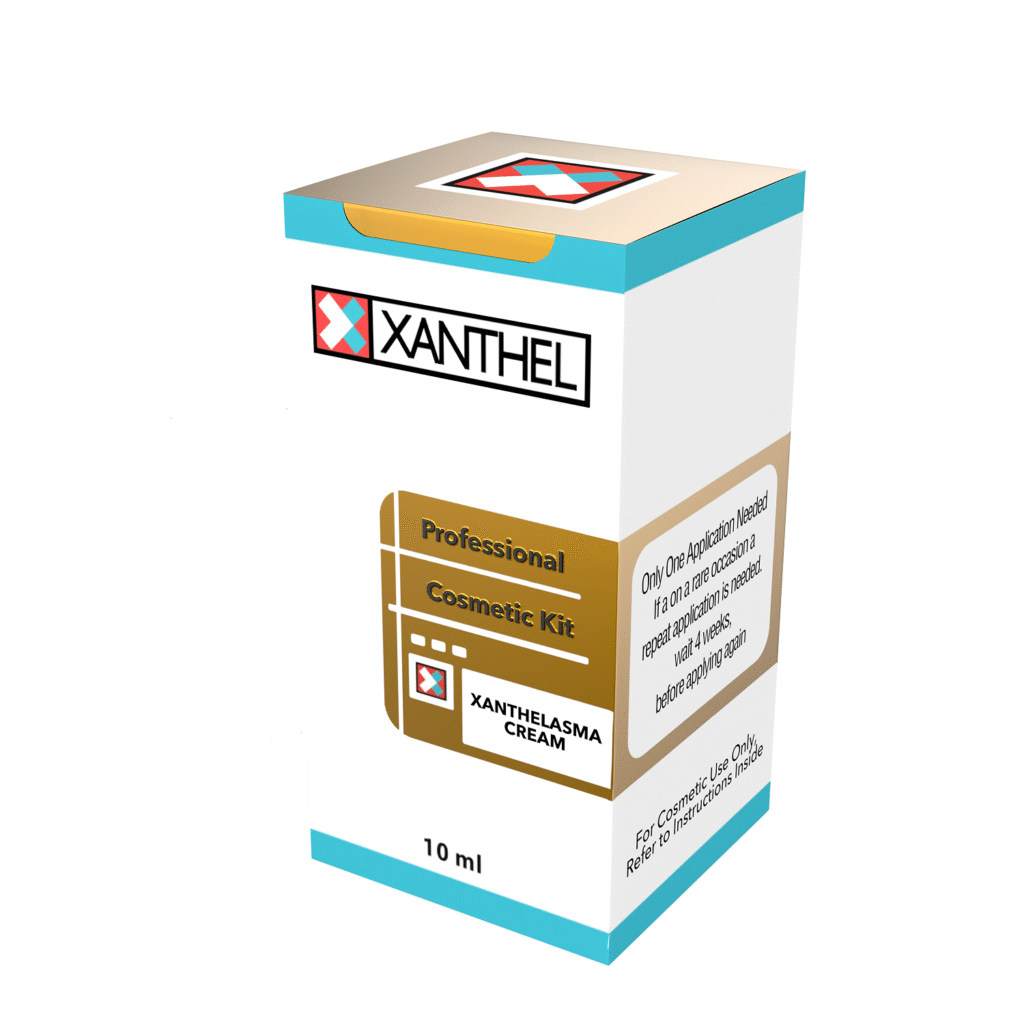
– Xanthel ® Removal Cream: Applying a professional formulated solution to the affected area can ablate the cholesterol engorged skin cells and reduce the appearance of xanthelasma. Regrowth is halted.
– Electrodessication: This method uses electrical currents to dry out and remove the xanthelasma. It is often effective, but like other treatments, it may need to be repeated.
It’s imperative for you to have an in-depth consultation with a dermatologist or an ophthalmologist to discuss these options. Factors like the size, number, and location of the xanthelasma, as well as your personal medical history and preferences, will influence the recommended course of treatment. Remember, while these procedures can remove existing xanthelasma, they do not prevent new ones from forming, which is why addressing the underlying cause is crucial.
Lifestyle Changes to Manage Xanthelasma
– Dietary Adjustments: If your xanthelasma is associated with high cholesterol, consider adopting a diet low in saturated fats and cholesterol. Incorporating more fruits, vegetables, whole grains, and lean proteins can help manage cholesterol levels.
– Physical Activity: Engage in regular physical activity to boost your cardiovascular health. Exercise can help you maintain a healthy weight, lower cholesterol, and improve your overall well-being.
– Stop Smoking: If you smoke, now is the time to quit. Smoking can contribute to higher cholesterol and poor cardiovascular health, exacerbating the risk of further xanthelasma formation.
– Regular Health Screening: Keep up with routine health screenings. Monitoring your cholesterol, blood pressure, and glucose levels can catch potential problems early and allow for prompt management.
– Stress Management: Incorporate stress-reducing practices such as meditation, yoga, or deep breathing exercises. Chronic stress can impact your health in various ways, including your cholesterol levels.
By adhering to these lifestyle modifications, you can address the potential causes of xanthelasma and improve your chances of preventing recurrence. In addition, these changes can contribute to your overall health and possibly reduce the need for more invasive treatments. Always ensure to discuss your plans with your healthcare provider to tailor the best approach for your condition and lifestyle.
Surgical and Non-Surgical Removal
Traditional Surgical Removal Techniques
– Scalpel Surgery: As a standard method, your xanthelasma can be carefully excised using a scalpel under local anesthesia. This procedure is typically quick, with the removed area either left to heal by secondary intention or closed with sutures.
– Radiofrequency Ablation: This technique uses radio waves to heat and dissolve the xanthelasma. You might experience minimal discomfort, and there may be less risk of scarring compared to traditional surgery.
– Electrosurgery: Electrosurgery involves using a high-frequency electric current to remove the xanthelasma. It’s usually performed under local anesthesia and might offer a balance between effective removal and healing time.
When considering surgical options, you must be aware of the potential risks, such as scarring, infection, or pigment changes. It’s also crucial to explore how each technique can fit into your individual health scenario. Your physician will guide you to the most appropriate intervention based on the size, depth, and location of the xanthelasma. These traditional methods, while effective, do not guarantee against recurrence. Therefore, addressing underlying health issues remains a key component in your treatment plan.
Advances in Non-Surgical Treatments for Xanthelasma
– Topical Applications: Innovative compounds are being explored to manage xanthelasma topically, which may offer a less invasive option with fewer side effects.
– Laser Removal: Advanced laser technologies like fractional CO2 and Nd:YAG lasers offer precise treatment, targeting the cholesterol deposits with minimal impact on surrounding tissues. These treatments may require fewer sessions, and recovery is typically quicker compared to traditional surgery.
– Liquid Nitrogen Cryotherapy: Freezing the xanthelasma with liquid nitrogen is another non-invasive alternative. However, treatment accuracy is vital to avoid damage to neighboring skin structures, especially when close to the eyes.
As with any medical intervention, the benefits of non-surgical techniques must be weighed against potential side effects, such as temporary redness, swelling, or blistering. Cost and accessibility can also be determining factors in your decision-making process. As these technologies evolve, they offer the promise of more effective and less invasive options for the management of xanthelasma.
It’s important to engage in a thorough discussion with a skin specialist about the risks and benefits of both surgical and non-surgical removal methods. Your skincare professional will consider factors like your xanthelasma’s characteristics, your overall health, and your treatment preferences to recommend the most suitable option. Remember, even with advanced removal techniques, a focus on lifestyle change and cholesterol management is essential to minimize the chance of xanthelasma recurring and to maintain overall skin health.
Prevention and Management
Strategies to Prevent Xanthelasma Development
As you confront the reality of xanthelasma, taking preventative measures is critical to ensuring these blemishes do not become a recurring issue. To effectively prevent the development of xanthelasma, set your sights on the underlying causes—commonly rooted in elevated cholesterol levels and other lifestyle factors. The following strategies may aid you in avoiding these unwelcome yellow patches:
– Regular Cholesterol Checks: Establish a regular schedule with your healthcare provider to monitor your cholesterol levels. Keeping your cholesterol within normal ranges can significantly lower your risk of developing xanthelasma.
– Heart-Healthy Diet: Take control of your diet by focusing on heart-healthy foods. Favoring vegetables, fruits, whole grains, and fish, while limiting intake of red meats, processed foods, and high-fat dairy products, can help maintain balanced cholesterol levels.
– Become Physically Active: Make exercise a non-negotiable aspect of your routine. Even 30 minutes of moderate activity most days of the week can work wonders for your lipid profile, as well as your overall health.
– Smoking Cessation: If you’re a smoker, it’s imperative to quit. Smoking has been shown to increase LDL cholesterol and decrease HDL cholesterol, which could worsen xanthelasma. Seek support and cessation programs to help make this significant health change.
– Maintain a Healthy Weight: Strive for a body weight that is healthy for your frame and age. Excess weight often correlates with higher cholesterol levels, which can lead to the development of xanthelasma.
By implementing these avoidance tactics, you position yourself at a vantage point to not only prevent xanthelasma but also enhance your overall health status.
Long-term Management of Xanthelasma
Managing xanthelasma is a marathon, not a sprint. Even after successful treatment, vigilance is your best defense against future occurrences. Here are some pivotal steps for maintaining your skin’s clarity and health over the long haul:
– Adherence to Treatment Plan: If you’ve undergone treatment for xanthelasma, follow your healthcare provider’s post-treatment instructions carefully to ensure proper healing and minimize the chances of recurrence.
– Stress-Reducing Techniques: Underestimate not the influence of stress on your body. Chronic stress can indirectly contribute to the formation of xanthelasma by affecting cholesterol levels. Implementing stress management strategies like mindfulness, yoga, or regular exercise can help.
– Avoid Excessive Alcohol Consumption: Moderate your alcohol intake, as excessive drinking can raise your cholesterol levels, which in turn could lead to the formation of new xanthelasmas.
– Robust Skincare Routine: Maintain a skincare routine that promotes overall skin health. While topical treatments will not prevent xanthelasma, keeping your skin in good condition is important for its ability to recover from various treatments.
– Yearly Eye Examinations: Since xanthelasma occurs around the eyes, routine eye exams can help you catch and address any new lesions early. Talk to your ophthalmologist about the best surveillance plan for your situation.
You are the steward of your health, and with these preventative and management strategies, you can navigate around the risks and sustain skin free of xanthelasma deposits. Maintain open communication with your healthcare provider and commit to these changes, remembering that every positive step contributes to a healthier you.

Prevention and Management
Strategies to Prevent Xanthelasma Development
To combat the potential onset of xanthelasma, you need to be proactive in managing the root causes, primarily high cholesterol and lifestyle choices. Here’s how to keep these yellow bumps at bay:
– Regular Cholesterol Checks: Regularly meet with your healthcare provider to monitor your cholesterol levels. Maintaining cholesterol within the recommended range reduces the risk of xanthelasma.
– Heart-Healthy Diet: Adjust your diet to focus on heart-healthy foods. Eat plenty of vegetables, fruits, whole grains, and fish, and limit your consumption of red meats, processed foods, and high-fat dairy to manage cholesterol levels.
– Become Physically Active: Incorporate physical activity into your daily life. Aim for 30 minutes of moderate exercise on most days to improve your cholesterol profile and overall health.
– Smoking Cessation: If you smoke, quitting is crucial. Smoking can increase LDL cholesterol and decrease HDL cholesterol, potentially exacerbating xanthelasma. Look for support programs to assist in quitting.
– Maintain a Healthy Weight: Keep your body weight in check according to your frame and age. Higher body weight is associated with increased cholesterol levels, contributing to xanthelasma.
Adopting these strategies not only helps prevent xanthelasma but also boosts your general health status.
Long-term Management of Xanthelasma
To manage xanthelasma effectively, maintain a diligent approach to your skin’s health and follow these guidelines:
– Adherence to Treatment Plan: Comply with your healthcare provider’s instructions after xanthelasma treatment to promote healing and prevent recurrence.
– Stress-Reducing Techniques: Don’t overlook the impact of stress on your health. Stress can indirectly trigger xanthelasma by altering cholesterol levels. Practice stress management methods like mindfulness or yoga.
– Avoid Excessive Alcohol Consumption: Limit alcohol intake since heavy drinking can raise cholesterol levels and lead to new xanthelasma formations.
– Robust Skincare Routine: While topical treatments won’t prevent xanthelasma, maintaining healthy skin is vital for healing post-treatment. Develop a skincare routine that bolsters overall skin health.
– Yearly Eye Examinations: Since xanthelasma is found around the eyes, annual eye checks are essential. Consult with your eye doctor about a suitable surveillance strategy.
By following these recommendations and keeping in touch with your medical professionals, you can safeguard your skin from xanthelasma. Each positive change you make plays a part in a healthier lifestyle.

In Reflection and Resources
Summary of Key Points on Xanthelasma
Xanthelasma, the yellowish patches found on the eyelids, are primarily caused by high cholesterol and may indicate underlying health issues. Regular cholesterol monitoring, a heart-healthy diet, exercise, smoking cessation, and maintaining a healthy weight are the cornerstones of prevention. Post-treatment adherence, stress management, responsible alcohol consumption, a proper skincare routine, and routine eye exams are key to long-term management.