Xanthelasma = Cancer ?
No ! And Heres Why –
Xanthelasma are yellowish-white lumps of fatty material accumulated under the skin on the inner parts of your upper and lower eyelids. While they are not harmful nor do they cause any pain, they can be a cosmetic concern due to their appearance.
– Appearance: Small, yellowish patches or bumps on the eyelids.
– Texture: They are soft-to-the-touch and sometimes have a slight bump.
– Location: Typically occurring on the inner parts of the eyelids.
These growths are called xanthelasma palpebrarum (XP) and can vary in size. In some cases, they may remain the same size or grow very slowly, while in others, they may grow more rapidly and cause concern due to their size and potential to affect eyelid function.
The Relationship Between Xanthelasma and Cholesterol
Xanthelasma is commonly associated with high levels of lipids in the bloodstream—this includes cholesterol and triglycerides. However, in your particular case, you have noted that your cholesterol levels are normal, which indicates that they can occur without any lipid disorders.
– Lipid Disorders: High levels of cholesterol or triglycerides in the blood can increase the risk of xanthelasma.
– Independence from Cholesterol: Normal cholesterol levels do not guarantee immunity from developing xanthelasma, indicating other potential factors are involved.
– Risk Factors: Other than high cholesterol, risk factors can include genetics, diabetes, liver disease, and other conditions that may influence lipid levels.
Despite normal cholesterol levels, you may still want to explore treatment options to address the cosmetic appearance of xanthelasma. Treatments can range from surgical removal to less invasive procedures. Here are some options to consider:
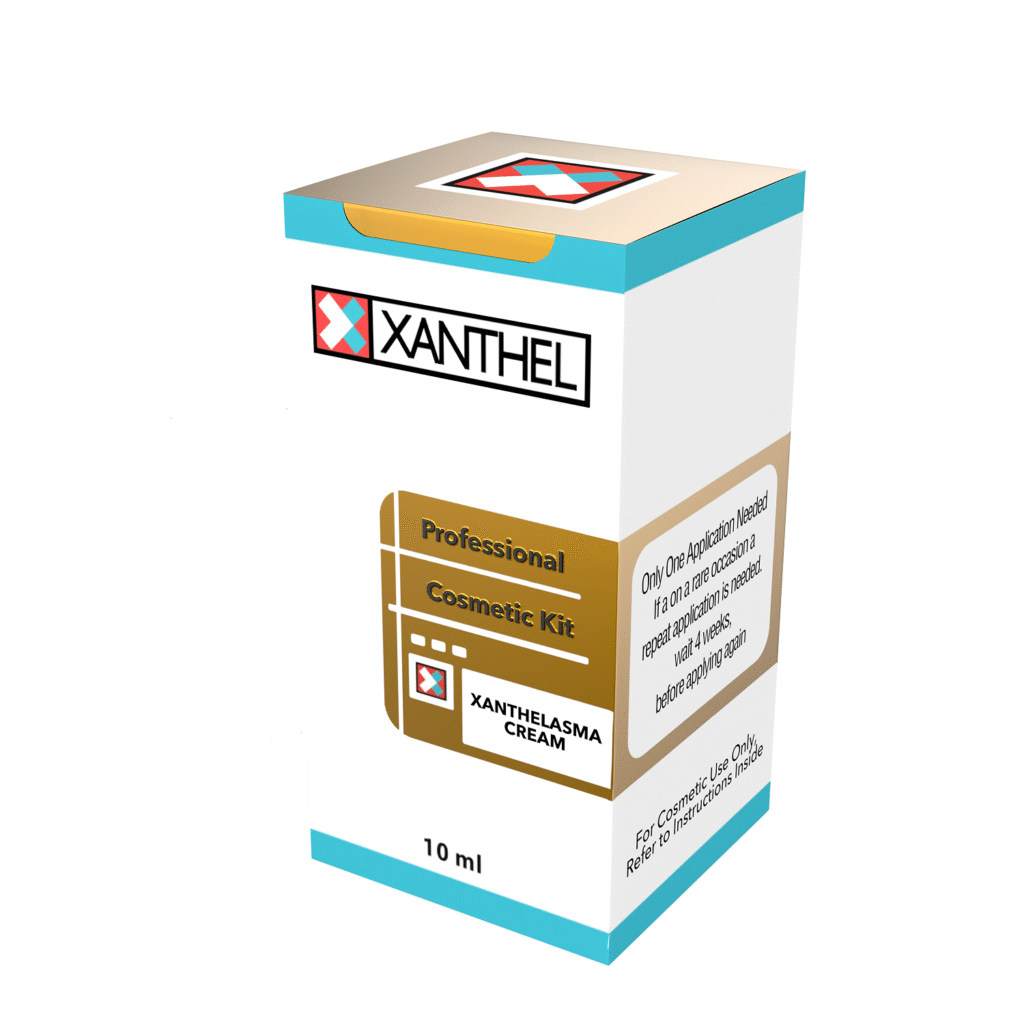
– Xanthel ® Removal Cream: This formulated solution is applied at home by the client and works fast to remove xanthelasma and stop regrowth of the plaques.
– Surgical Removal: A precise surgical procedure can remove the xanthelasma but does carry the risks associated with surgery.
– Cryotherapy: Using cold to freeze the xanthelasma, this method may have potential side effects like scarring.
– Laser Treatment: Targeted laser treatments can be effective but may require multiple sessions.
It’s essential to consult with specialists to discuss the most suitable treatment options for you. They may suggest one of the above treatments or offer a combination approach depending on the size and depth of your xanthelasma.
Remember that while xanthelasma might be a visible concern, they are often benign and can be effectively managed with professional medical advice. It’s recommended to address any underlying health concerns that might contribute to their development and to consider their removal primarily for cosmetic reasons or if they are causing discomfort.


Xanthelasma and Cancer Concerns
Addressing the Cancer Question: Are Xanthelasmas Cancerous?
– Nature of Xanthelasma: Xanthelasma are benign growths that appear as yellow deposits on the eyelids.
– Causes: They are typically caused by the accumulation of certain fats, known as lipids, in the skin.
– Associations with Health Conditions: Although xanthelasma themselves are not cancerous or harmful, they can be associated with underlying lipid disorders, such as hyperlipidemia, or liver conditions.
– Medical Reassurance: If you’re concerned about the possibility of cancer, it is crucial to consult with your doctor. However, rest assured that xanthelasma is not a cancerous condition.
When experiencing xanthelasma, your primary concern may center around the potential for these growths to be indicative of cancer. It is important to understand that while these yellowish deposits can be unsightly, they are not malignant. Xanthelasma are essentially cholesterol deposits that have surfaced in the skin around your eyes. These deposits are more commonly associated with cholesterol metabolism issues rather than any form of cancer. Your healthy cholesterol levels are encouraging, but it is always prudent to have regular checkups to monitor any changes in your health. If you have a family history of lipid disorders or conditions related to cholesterol, discussing these concerns with your healthcare provider will help clarify risks and necessary follow-up.
Distinguishing Between Benign and Malignant Eyelid Growths
– Consultation with a Specialist: To alleviate worries, schedule an appointment with a dermatologist or an ophthalmologist.
– Clinical Examination: A thorough examination can distinguish xanthelasma from other types of eyelid growths.
– Diagnostic Tests: If there is any suspicion of malignancy, a biopsy can be performed to rule out cancer definitively.
– Characterizing Non-Cancerous Lumps: Benign eyelid lumps like xanthelasma have distinctive features that specialists can identify.
Identifying whether a lump on your eyelid is benign or malignant is understandably a matter of concern. Xanthelasma have a characteristic appearance that is usually easily recognizable by experienced healthcare professionals. However, if there is any doubt, further diagnostic tests are an option. It’s important to differentiate xanthelasma from other types of growths that may appear on the eyelids, as some could indeed require further investigation and possibly treatment. By consulting with a specialist, you can receive a precise diagnosis and peace of mind regarding the nature of the eyelid deposits. Remember that early detection and treatment of any medical condition typically lead to better outcomes, so maintaining regular appointments with medical professionals even when you’re in good health is critical for long-term well-being.

Causes and Risk Factors
Exploring the Causes of Xanthelasma
– Cholesterol Deposits: The yellow patches on your eyelids, known as xanthelasma, are primarily caused by excess deposits of cholesterol or other fats in the body.
– Genetic Predisposition: In some cases, xanthelasma can be linked to genetic factors, making you more prone to developing these growths even with normal cholesterol levels.
– Liver Function: Since the liver plays a crucial role in fat metabolism, impaired liver function can lead to the development of xanthelasma.
– Other Lipid Disorders: Even if your overall cholesterol levels are within normal limits, specific lipid disorders might contribute to the formation of these deposits.

If you discover small, yellowish growths on your eyelids, these could be signs of xanthelasma. It’s essential to understand that while your current cholesterol levels are reported as normal, these growths could stem from a localized accumulation of cholesterol. Several reasons beyond hypercholesterolemia could be at play. Genetics can sometimes dictate your skin’s susceptibility to such conditions, regardless of your general health. Additionally, xanthelasma might signal an underlying issue with fat metabolism, hinting at potential liver function abnormalities or specific lipid transport disorders. In this context, consulting a specialist is advised to assess your individual risks and underlying causes.
Risk Factors: Why It’s More Common in Women
– Hormonal Factors: Hormonal fluctuations, particularly during menopause, can affect cholesterol levels and fat distribution, increasing the risk of developing xanthelasma in women.
– Age Consideration: With age, the skin undergoes natural changes that may make it more susceptible to various conditions, including xanthelasma.
– Lifestyle Elements: Factors like diet, exercise, and smoking can influence the development of not only xanthelasma but also the lipid disorders associated with it.
You may wonder why xanthelasma tends to be more common in women. Hormonal influences play a significant part in this gender discrepancy. Particularly in postmenopausal women, hormonal changes could disturb the balance of fats in the body, leading to greater susceptibility to xanthelasma. Age also concerns both men and women, as aging skin naturally becomes more prone to conditions such as xanthelasma. Lifestyle factors like a high-fat diet, sedentary lifestyle, and smoking can further exacerbate this risk. While you maintain a state of good health, it’s beneficial to consider these factors in your ongoing health assessments. Recognizing the potential influences on xanthelasma development enables you to address these risks proactively with lifestyle modifications and medical monitoring.

Signs and Symptoms of Xanthelasma
Identifying Xanthelasma: Appearance and Symptoms
– Appearance: Xanthelasma presents as soft, yellowish plaques commonly situated on or around your eyelids, particularly near the inner canthus (near the nose).
– Texture and Consistency: They are typically flat or slightly elevated with a soft texture.
– Size Variation: The size can vary from very small to several centimeters in diameter.
– Painless: Xanthelasma is usually painless and does not affect your vision.
– Progression: Over time, they may grow in size or remain stable, and new lesions may develop.
You may have noticed these yellowish deposits on or around your eyelids and wondered about their significance. Xanthelasma plaques tend to be symmetrical and may appear on both upper and lower eyelids. Despite their benign nature, it’s understandable to be concerned about any changes in your body. These plaques themselves are not harmful; however, they can sometimes indicate higher cholesterol levels or an underlying health condition, even in the presence of normal cholesterol levels, as you have indicated. Monitoring any changes or differences in the appearance of these plaques is a proactive step in managing your health.
In your case, with normal cholesterol levels and good health, xanthelasma may not indicate an internal disorder. Nonetheless, as with any changes to your body, it’s essential to monitor and, if necessary, consult with a healthcare professional about potential treatments. Elective procedures for removal exist, including cryotherapy, laser removal, surgical excision, or topical treatments, which may be considered if you are experiencing discomfort due to the appearance of xanthelasma.
While usually a cosmetic issue, your feelings regarding the change in your appearance are legitimate and worth addressing. Skilled practitioners can offer solutions that can minimize or remove xanthelasma plaques, thereby improving the aesthetics of the affected area.
Remember, the presence of xanthelasma is a signal to be vigilant about your health, even if it is often unrelated to any serious health issues. Regular check-ups and conversations with your healthcare provider are prudent practices to ensure your continued health and well-being.

Diagnosis and Medical Considerations
How Xanthelasma Is Diagnosed

– Medical History Review: As part of the diagnostic process, your doctor will review your medical history to identify any risk factors or underlying conditions.
– Physical Examination: A thorough physical examination will be conducted, with a focus on the xanthelasma plaques on your eyelids.
– Cholesterol Testing: Despite your normal levels, a lipid profile might be requested to confirm current cholesterol status and rule out associated lipid disorders.
– Biopsy: In some cases, a biopsy may be taken to ensure an accurate diagnosis and rule out other conditions.
Upon observing the characteristics of the plaques, your healthcare provider can usually diagnose xanthelasma based on appearance alone. However, they may perform additional tests to exclude related health issues, especially if your medical history suggests the possibility of hypercholesterolemia or other lipid abnormalities, even when your current cholesterol results are within normal ranges.
If you’re facing these symptoms, it is recommended that you undergo a medical evaluation to determine the cause of the xanthelasma and explore appropriate treatments. The importance of these evaluations cannot be overstated, as they can provide insights into your overall cardiovascular health.
Understanding the Noncancerous Nature of Xanthelasma
– Benign Lesions: Xanthelasma plaques are noncancerous and are not a direct threat to your health.
– Possible Indicators: While benign, xanthelasma plaques can be indicators of lipid metabolism disorders when correlated with other risk factors.
– Cosmetic Concern: The primary reason for seeking treatment is often the desire to improve the cosmetic appearance.
– Psychological Impact: Acknowledge any psychological impact that these lesions may have on you, and discuss these feelings openly with your physician.
The benign nature of xanthelasma plaques should provide you with some relief; however, having them on a highly visible part of your body, such as your eyelids, may cause emotional distress or affect your self-esteem. Discussing your concerns with a healthcare professional will help you address both the psychological and physical aspects of xanthelasma. Together, you can decide on a management or treatment plan that best aligns with your overall health goals and personal preferences.
Additionally, it’s important to understand that while the presence of xanthelasma itself may not signify an immediate health threat, it’s essential to regard it as a call to maintain vigilance over your cardiovascular health. Keep in regular contact with your doctor to manage any potential health risks and to seek advice on how best to treat and monitor your xanthelasma. Your treatment professional can provide you with the necessary guidance and support, ensuring that your health remains your top priority.
Treatment Options
To Treat or Not to Treat: Managing Xanthelasma
– Personal Choice: The decision to treat xanthelasma is personal and often based on its cosmetic impact on your appearance.
– Non-invasive Monitoring: Sometimes, simply keeping an eye on the xanthelasma is enough, especially if there is no discomfort or they don’t grow in size.
– Risk Assessment: Assess whether there’s an underlying condition such as dyslipidemia, despite your current normal cholesterol levels, that might warrant medical intervention.
– Lifestyle Adjustments: Adopting lifestyle changes, such as a balanced diet and regular exercise, may prevent further development.
Given your situation of being in good health and having normal cholesterol levels, treatment may not be medically necessary. However, if you find that these plaques affect your self-esteem or cause emotional discomfort, numerous treatment options can be explored.
Cosmetic Treatments for Xanthelasma
– Cryotherapy: This treatment involves freezing the xanthelasma with liquid nitrogen, which may cause minimal scarring and has various degrees of success.
– Laser Therapy: Certain laser types, like the CO2 laser, can be effective in removing xanthelasma plaques with precision, reducing damage to surrounding tissues.
– Surgical Excision: A dermatological surgeon can cut out the xanthelasma, providing immediate results with potential for a more noticeable recovery period.
– Xanthel ®: Specific formulated treatment cream that reacts with the xanthelasma and shrivels and removes it. Easy to apply at home with safe application.
Each of these treatments has advantages and disadvantages, including variable success rates, potential side effects, and costs. Your healthcare provider will help you weigh these factors based on your personal circumstances, the extent of the xanthelasma, and your aesthetic expectations.
In summation, while xanthelasma may not require medical treatment, various cosmetic procedures can be done for those who wish to remove them. Tailor-made management plans will best fit your individual case, and any action should be taken following thorough discussions with your healthcare provider. Emphasizing overall health and regular screening can also help prevent possible future xanthelasma formation and manage any associated health risks.

Xanthelasma and Systemic Health
Xanthelasma as a Marker for Other Health Issues
– Correlation with Dyslipidemia: Despite your current normal cholesterol levels, xanthelasma can sometimes indicate underlying dyslipidemia, which is an abnormal amount of lipids in the blood.
– Sign of Systemic Disease: These yellow plaques may also signal internal disorders such as diabetes or thyroid disease, warranting further medical evaluation.
– Indicator for Cardiovascular Risk: Xanthelasma, particularly in individuals younger than 60 years old, may be a predictor for increased risk of heart disease, stroke, and atherosclerosis.
As you’ve noticed these yellow deposits on your eyelids, it’s important to recognize that they could be more than just a cosmetic concern. Although you are in good health with normal cholesterol levels, it’s advisable to undergo regular check-ups to monitor any internal changes. Your doctor may recommend specific tests to rule out systemic conditions that could be associated with xanthelasma.
The Connection Between Xanthelasma and Gastrointestinal Conditions
– Liver Function: Abnormal liver function can manifest as xanthelasma due to disruptions in lipid metabolism.
– Biliary Issues: Conditions affecting your biliary system, such as cholestasis, might also lead to the formation of these plaques.
– Pancreatic Health: The pancreas plays a crucial role in lipid digestion; issues here could therefore contribute to xanthelasma.
– Absorption Disorders: Gut disorders that affect the absorption of fats, like celiac disease, could indirectly cause xanthelasma by altering lipid profiles.
Considering the fact that gastrointestinal conditions can have an impact on lipid metabolism, it is prudent for individuals with xanthelasma to be aware of their digestive health. Your doctor may suggest a comprehensive panel of diagnostic tests to evaluate liver enzyme levels, pancreatic function, and potential malabsorption conditions that might contribute to the development of the eyelid deposits.
In summary, while xanthelasma primarily raises cosmetic concerns for you, don’t overlook its potential significance as a marker for systemic health issues. A proactive approach includes consulting with healthcare professionals to explore the causes and implications of xanthelasma. Such vigilance will not only address your current dermatological concerns but also support overall wellness by monitoring for any associated health conditions.

Lifestyle and Prevention
Lifestyle Changes to Prevent or Minimize Xanthelasma
– Healthy Eating Habits: Incorporating a diet rich in fruits, vegetables, whole grains, and lean proteins can help maintain balanced cholesterol levels.
– Weight Management: Achieving and maintaining a healthy weight through diet and exercise contributes to overall health and can potentially reduce the risk of xanthelasma.
– Avoid Smoking: Smoking cessation is crucial as it can worsen lipid profiles and increase the risk of xanthelasmas.
– Skin Protection: Protecting your skin from excessive sunlight with appropriate sunscreen can prevent damage that might encourage the formation of xanthelasma.
– Regular Check-ups: Even with normal cholesterol levels, regular visits to your healthcare provider are essential to monitor your lipid profile and overall health.
– Stress Reduction: Engaging in stress-relieving activities such as meditation, yoga, or other forms of relaxation can also have a positive impact on your health.
When modifying your lifestyle to prevent or minimize the appearance of xanthelasma, it’s important to strive for long-term, sustainable habits. Simple changes in your day-to-day life can significantly contribute to your overall wellness and reduce the likelihood of developing these plaques.
The Role of Diet and Exercise in Managing Cholesterol Levels
– Balanced Diet: A diet low in saturated and trans fats, and high in omega-3 fatty acids, fiber, and plant sterols can help regulate cholesterol levels.
– Regular Exercise: Aim for at least 150 minutes of moderate-intensity, or 75 minutes of high-intensity exercise each week. Physical activity can increase high-density lipoprotein (HDL) cholesterol, the “good” cholesterol, which may help remove other forms of cholesterol from your bloodstream.
– Hydration: Adequate water intake is essential for metabolic processes, including the metabolism of lipids such as cholesterol.
– Alcohol Moderation: Limiting alcohol intake can also play a role in maintaining healthy cholesterol levels and liver function.
By implementing these dietary and exercise recommendations, you can play an active role in managing your cholesterol. Even without current cholesterol issues, these habits can prevent future complications. Always remember to discuss any lifestyle changes with your healthcare provider, particularly if you have existing health conditions or concerns. The steps you take today can help ensure a healthier tomorrow, potentially keeping xanthelasma at bay and maintaining a favorable cholesterol profile.

Summary and Key Takeaways
Recap: The Benign Nature of Xanthelasma
– Understanding Xanthelasma: Xanthelasma are benign, yellowish deposits that can form on your eyelids. Despite their harmless nature, they may cause concern due to their appearance.
– Possible Indicators: Although they’re often associated with high cholesterol levels, you can develop xanthelasma even if your cholesterol levels are normal, as in your case.
– The Non-Invasive Option: Initially, lifestyle changes may be suggested to manage any potential underlying issues and prevent further development of these plaques.
– Medical Assessment: It’s imperative that you consult a healthcare professional for an accurate diagnosis and to rule out other possible health concerns linked with xanthelasma.
Final Thoughts: Monitoring and Managing Your Health
– Importance of Personal Vigilance: Even with normal cholesterol levels and good overall health, you should remain proactive in monitoring your health and changes in your body.
– Potential Treatments: If lifestyle adjustments don’t minimize your xanthelasma, treatment options are available. These may range from topical solutions to medical procedures like cryotherapy, laser therapy, surgical excision, or Xanthel ®.
– Aesthetic Considerations: Should the appearance of xanthelasma concern you, a dermatologist or a plastic surgeon can advise on cosmetic approaches to address them.
– Healthcare Guidance: Work closely with your healthcare provider to understand the implications of xanthelasma and the steps you can take. Your provider may recommend periodic reviews to keep a check on your lipid profile and skin health.
– Continuous Care: Addressing xanthelasma is often part of a larger commitment to your health, involving regular check-ups and a willingness to adapt your lifestyle if necessary.
As you navigate your options, maintain a balanced perspective regarding your health. Xanthelasma, while potentially indicative of a systemic condition, may also be solely a local skin issue. Focus on a comprehensive approach to wellness that includes a heart-healthy diet, regular physical activity, and stress management. Remember, the choices you make today can have lasting effects on your overall health, and by extension, on the health of your skin, including the potential emergence of xanthelasma. Stay engaged with your healthcare provider and actively manage your health to minimize any concerns related to this condition.